
I’ve made it to Cyprus… and my bag flew free!
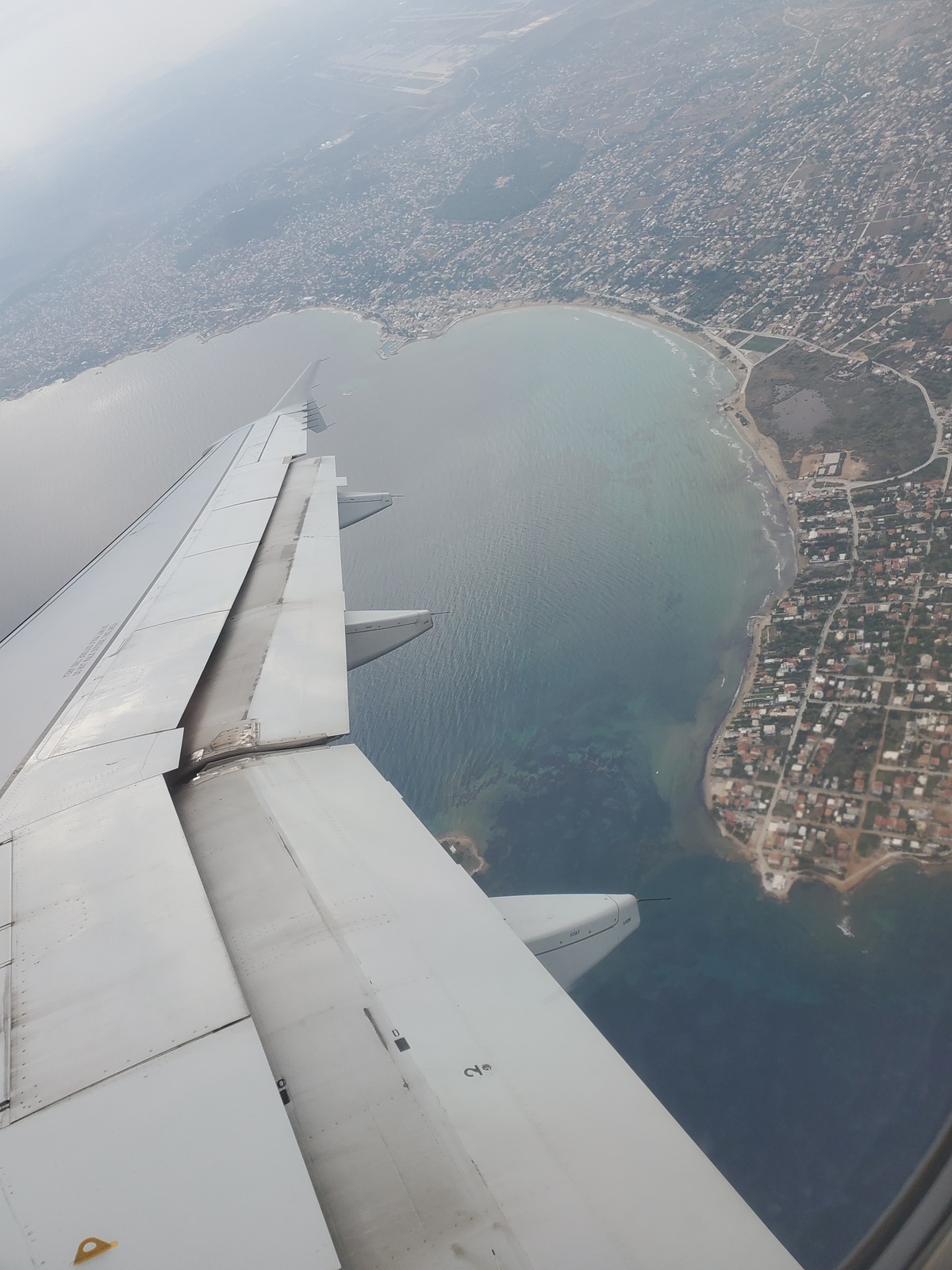
Tomorrow I’m doing a walking tour of Larnaca so I’ll wait to start posting Cyprian pics until then. In the meantime, I thought I’d backfill a few stories from Athens.
I was originally going to try and fill in the past few days’ missed photos with several smaller entries. But ultimately, I figured there’s a lot of overlap and rather than try and hop and skip around, it would be better if I just embraced the Homeric Epic post lifestyle… when in Greece, yeah? Or when having left Greece and gone to Cyprus, yeah?
Side note: I will do a separate Athens Marathon photo album upload as, well, the blog is called RUN KEVIN RUN… might as well give the run it’s own space.
Here’s the short, short historical, archeological markers. for Athens: If it’s dated to 2nd century BC, you’re talking Greeks. If it’s 4th Century AD, it’s all Roman artifacts. And if it’s not those, it’s most likely the 1800s push. Or at least, that’s the gist of what I took from Eva and Katarina during the tours.
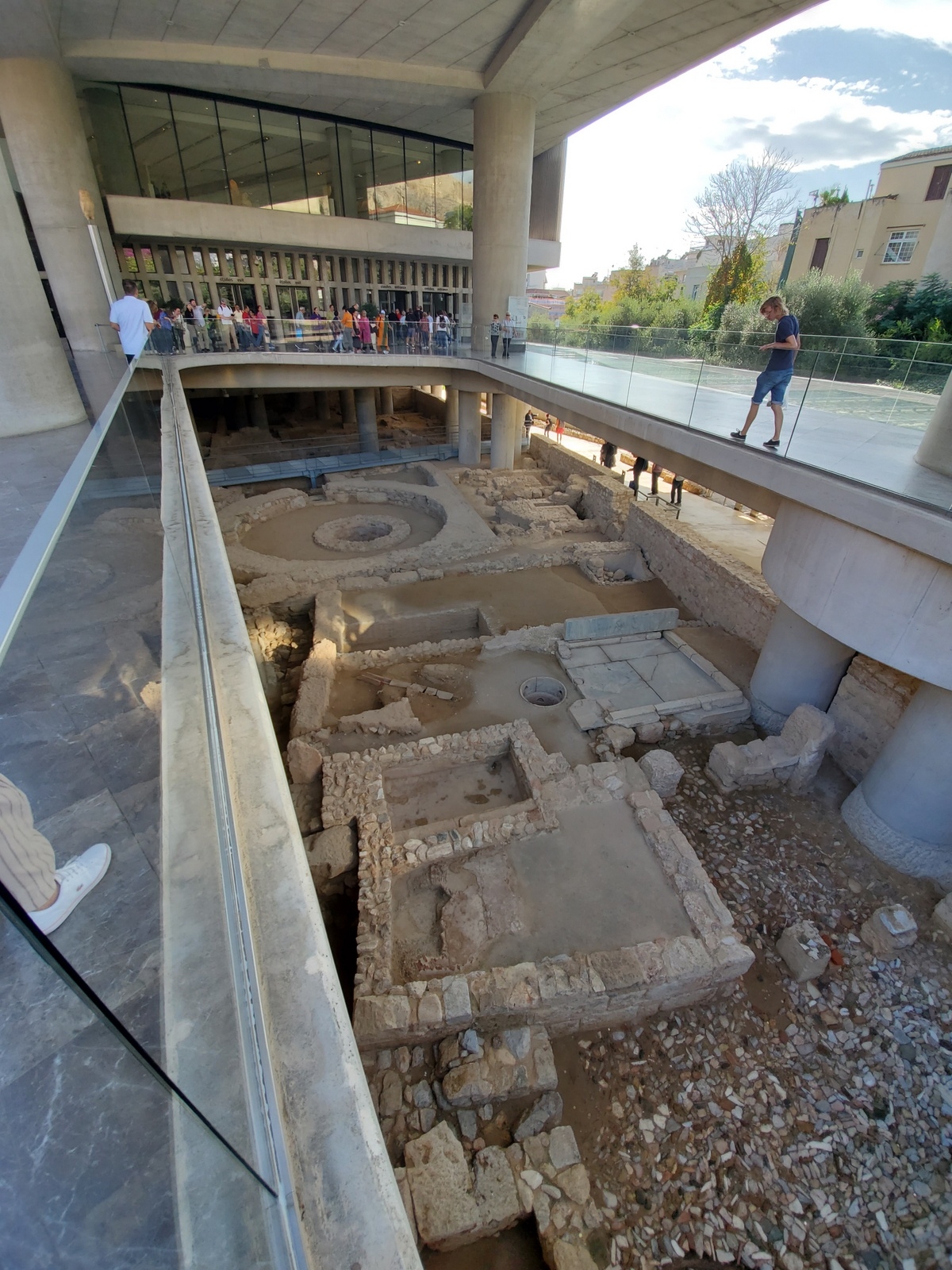
As for the archeology itself, it’s a parfait of history. Ancient stuff is built on REALLY ancient stuff… and modern stuff is built on BOTH of those. It’s many, many layers. So when Athens wanted to put in a metro underground, everywhere they dug they’d hit an archeological find and have to bring in the experts to determine if it was worth preserving… in which case, the metro line had to be re-routed around it. It made for a LENGTHY construction process but brought a treasure trove of insights into Greek and world history.
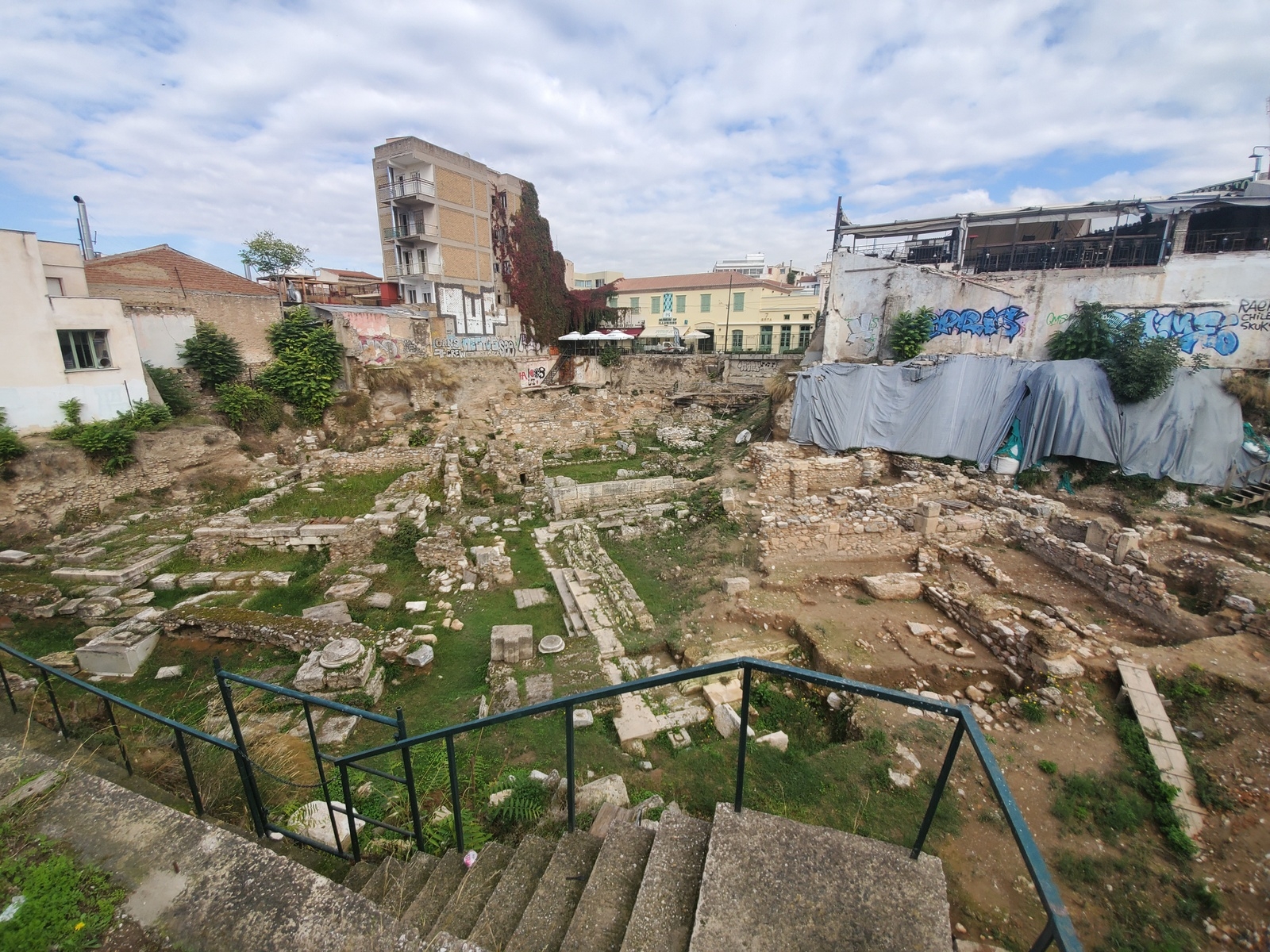
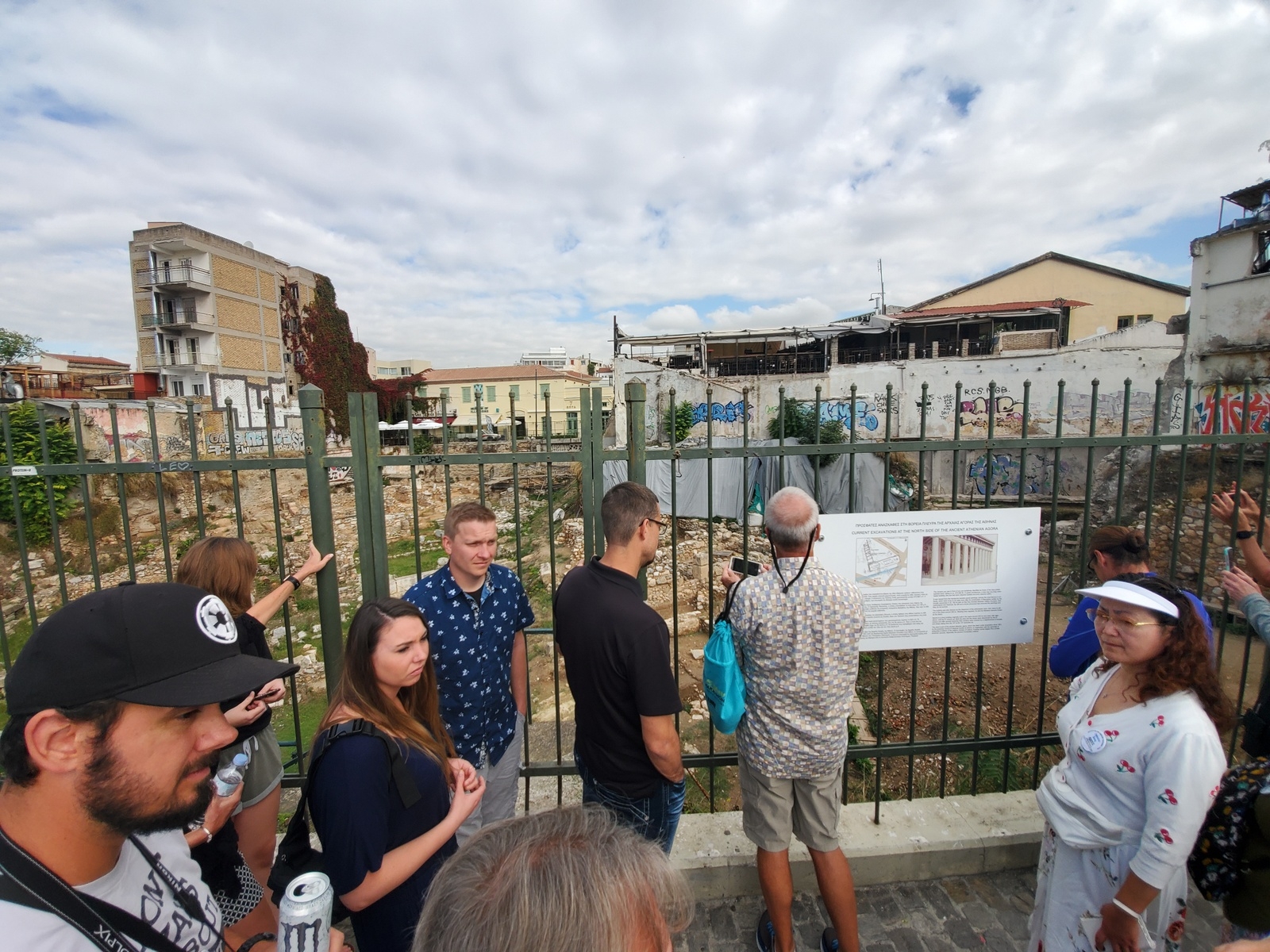
There have also been times when present day buildings are discovered to be on top of some major find… and therefore through what I gather is a variation on imminent domain, the government demolishes the houses/businesses on top so the archeologists can dig beneath the surface and uncover the history.
Below: what was built has been torn down so as to uncover the past.
We can’t talk about historical artifacts without addressing the limey elephant in the room. The British Museum has oodles of plundered historical items, brought back from the “ancient” world to England by hook or by crook, by conquest or by nefarious underhanded dealings. Some of the art and items have been repatriated. Many items remain in the British Museum, and not just from Greece, but Egypt, Jordan, Africa, you name it and the British probably grave robbed… er… protected the art. To this day, the UK claims they are preserving it all because the home countries can’t be trusted to preserve it due to political unrest or because they simply don’t have proper museums to house and highlight it all. Awful. Just awful.
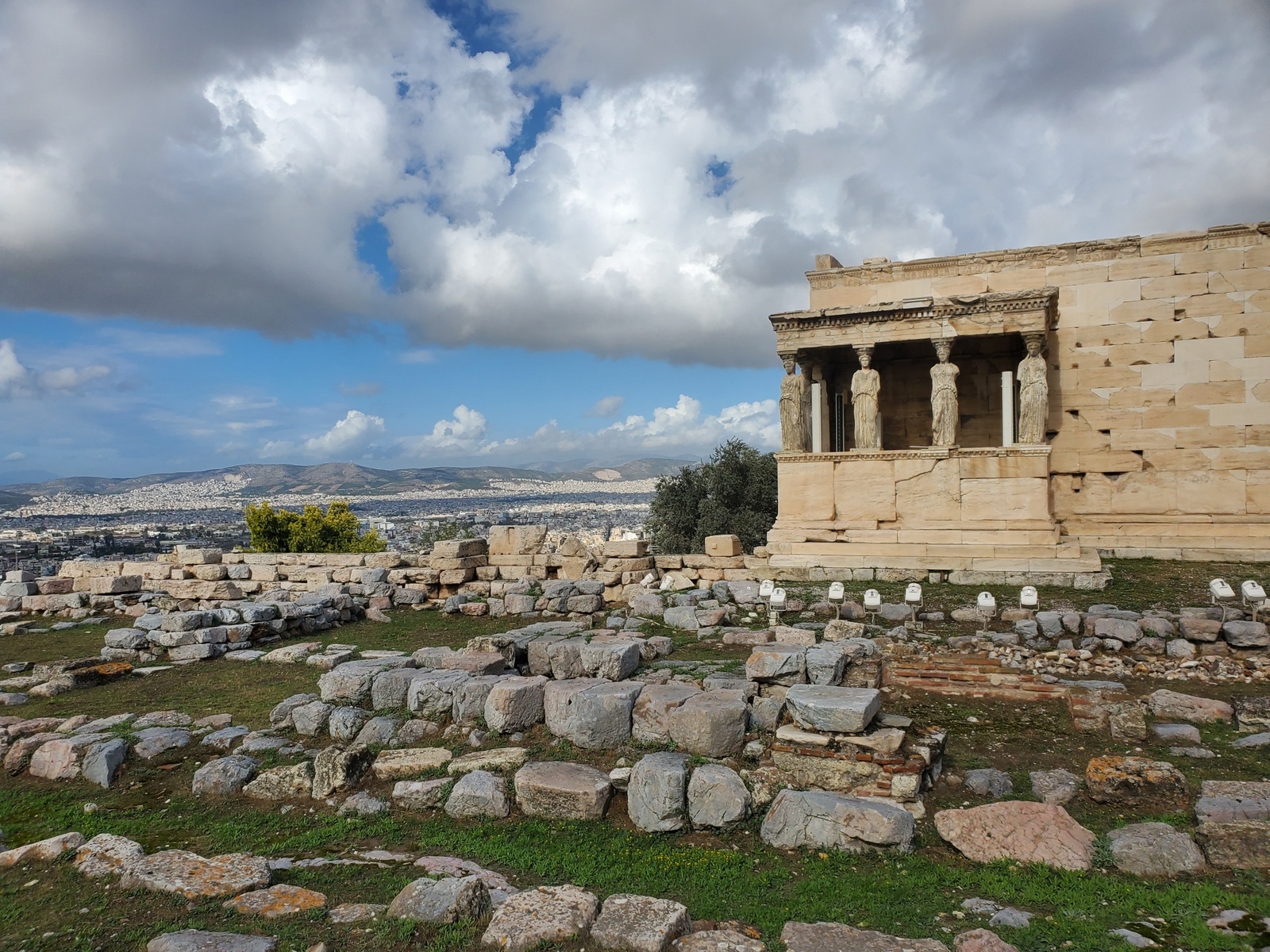
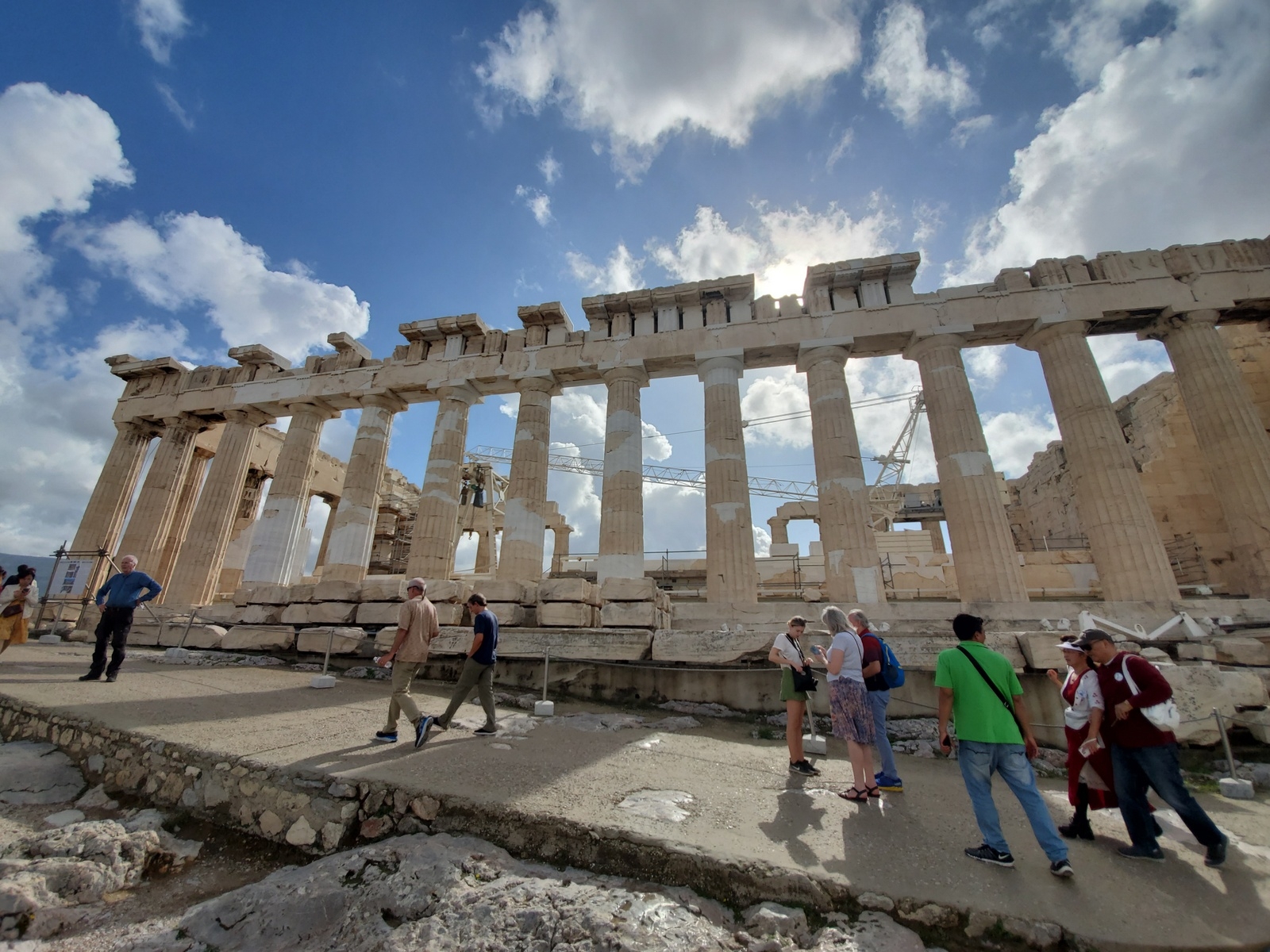
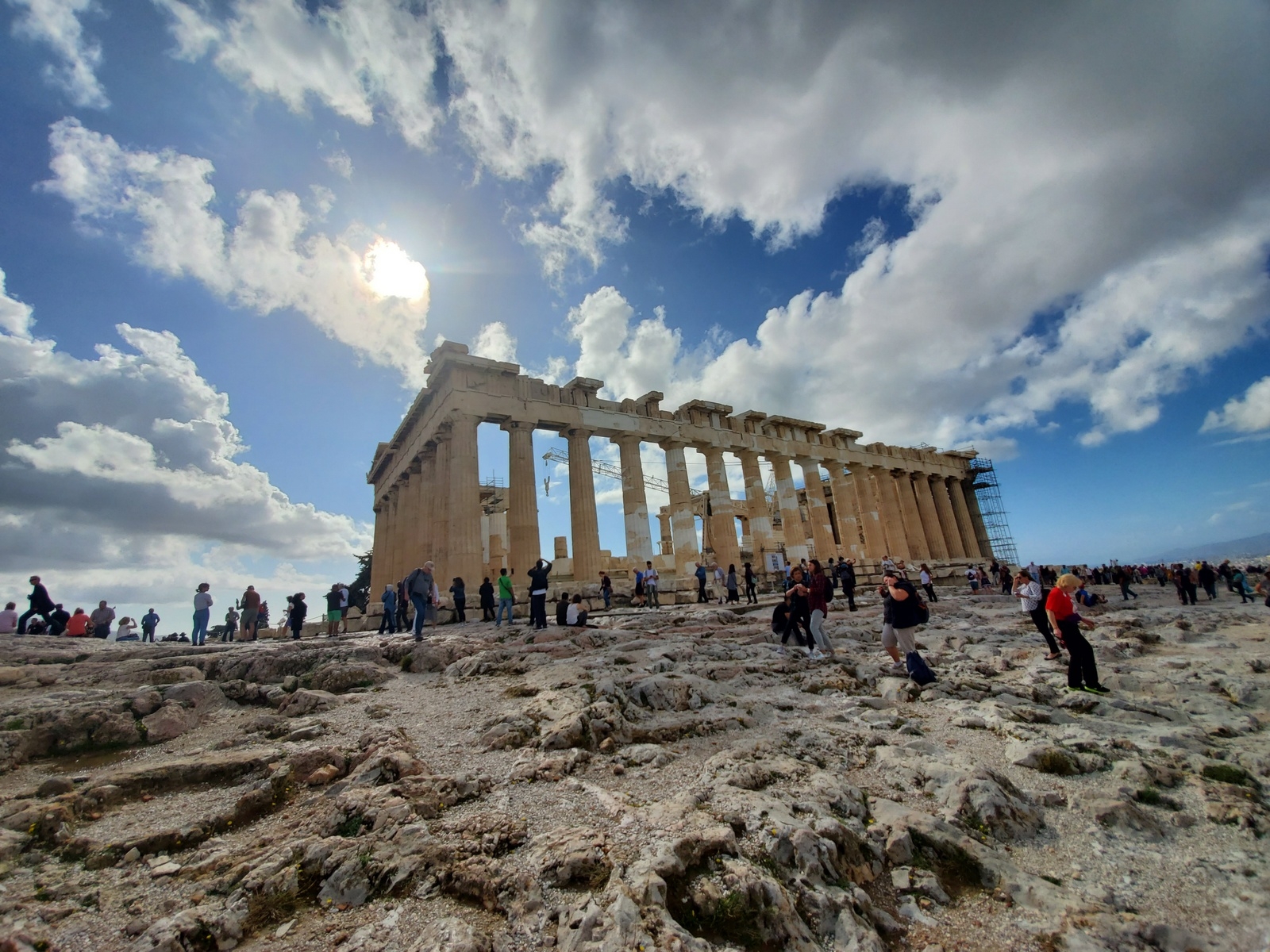
As a result, some items are in situ, some are still buried, some are “on loan” or perhaps “stolen” by other nations. It’s amazing to see the ruins of what was the center of democracy and power for a time. With that in mind, let’s go to the photo gallery and I’ll tack on comments now and again.
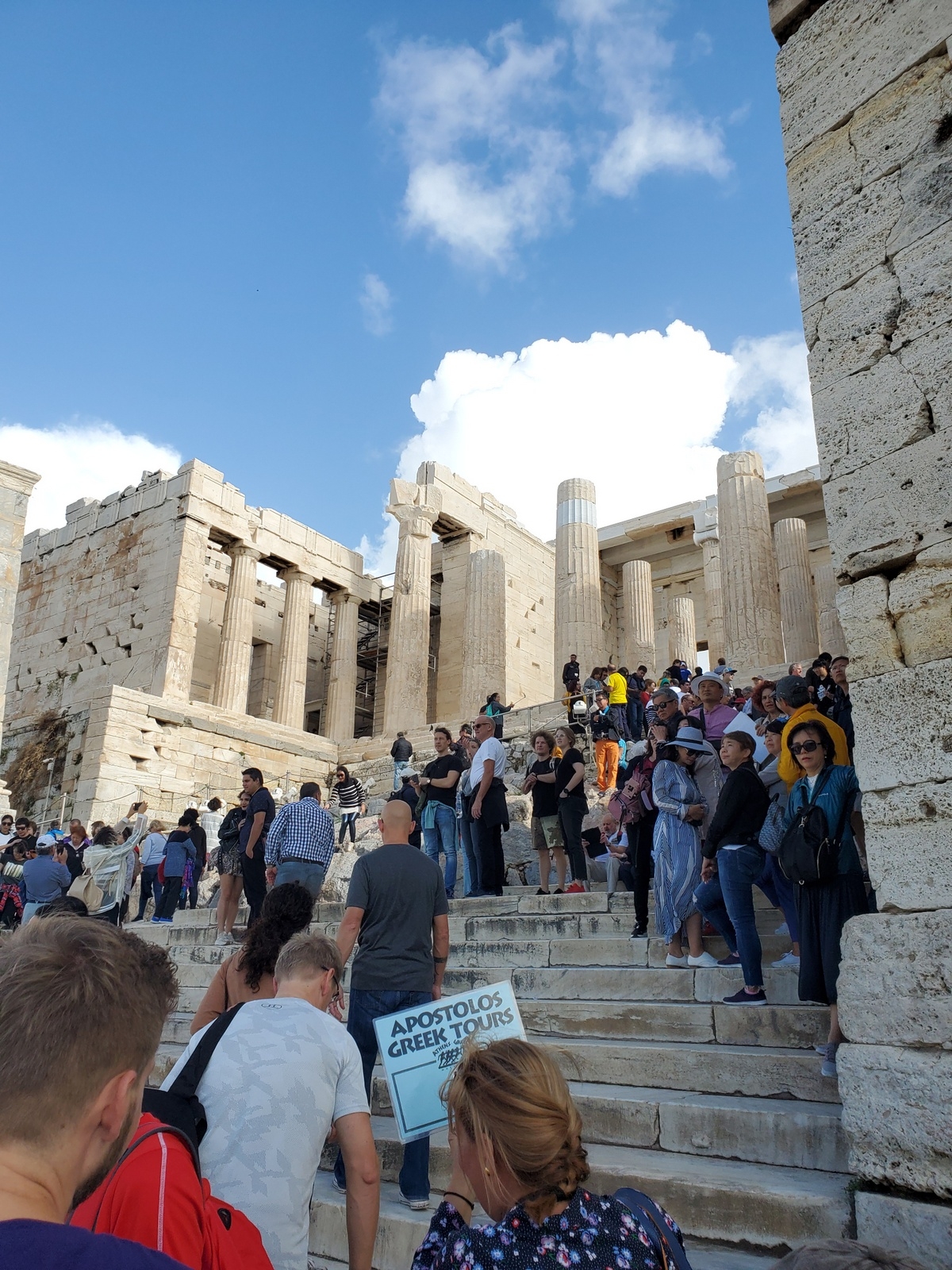
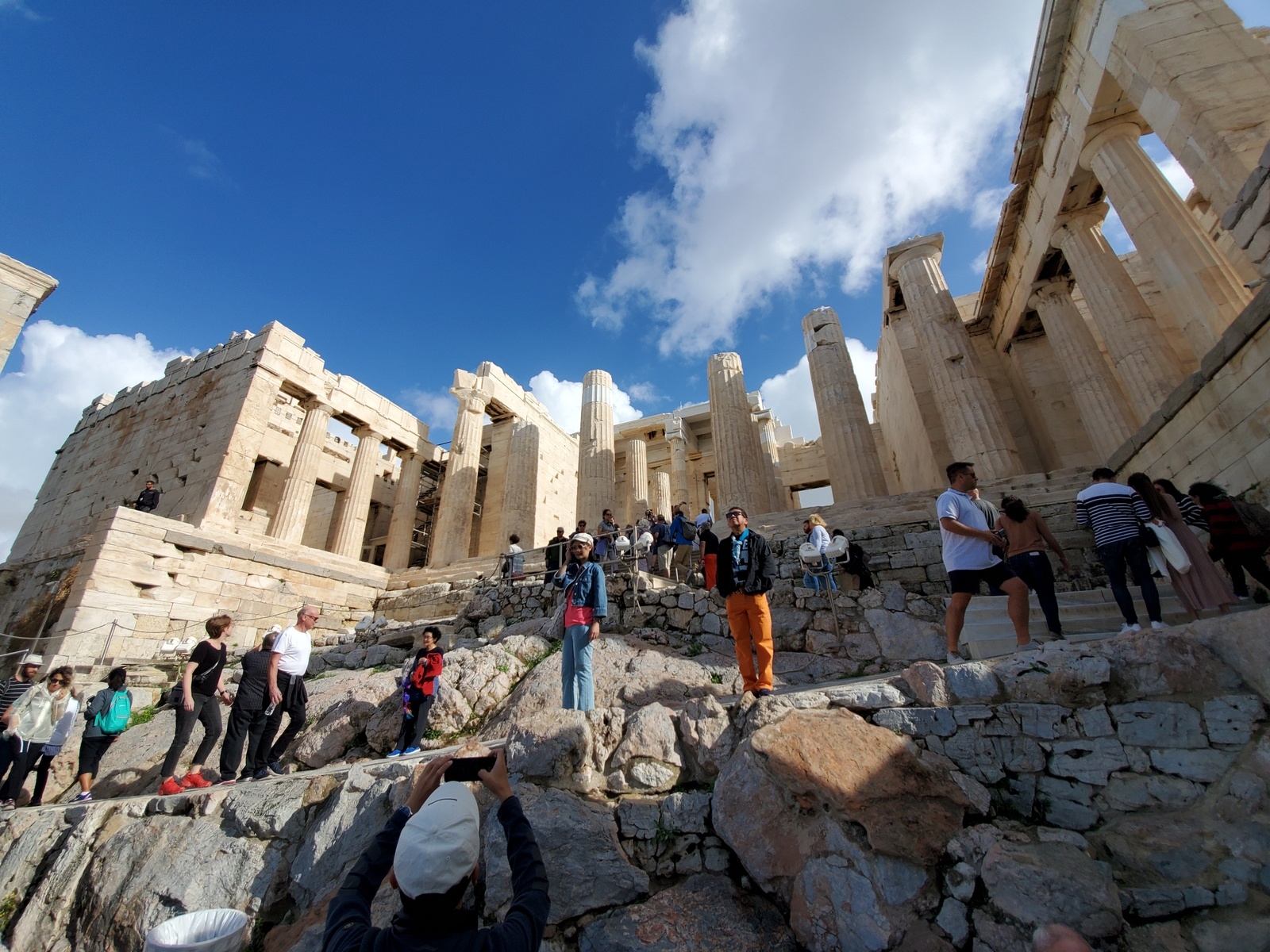
Part I: The Parthenon on the Acropolis
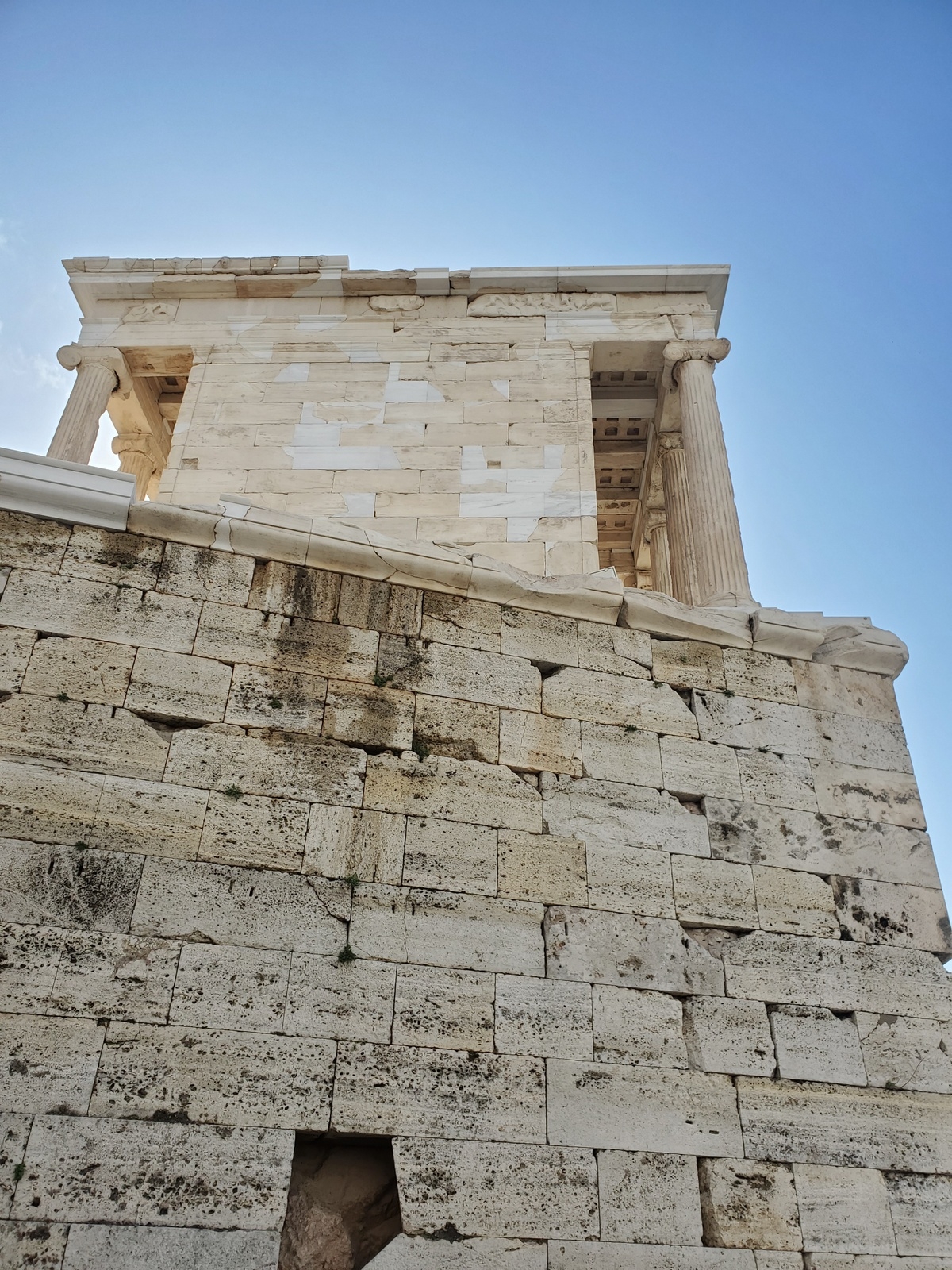
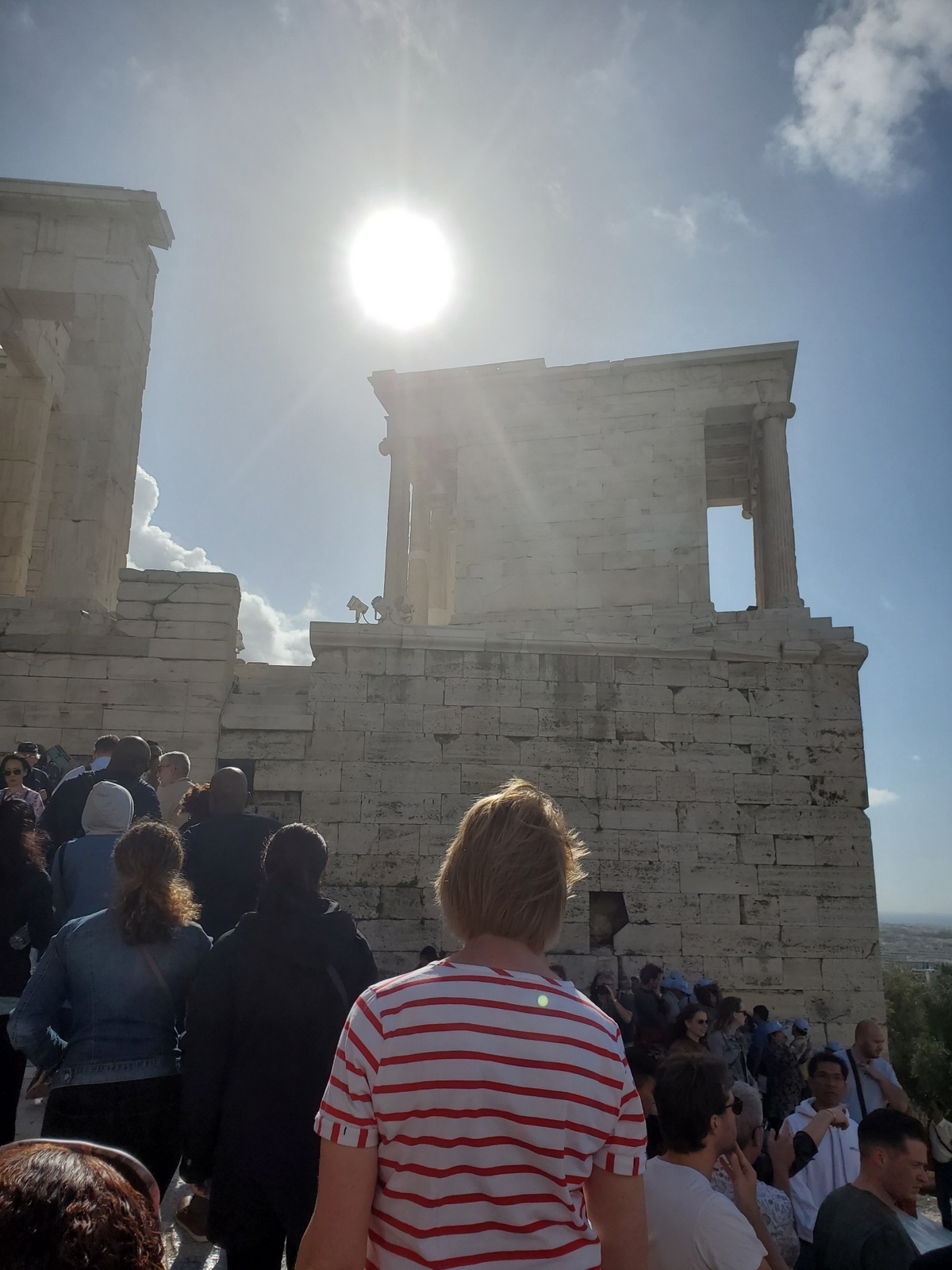
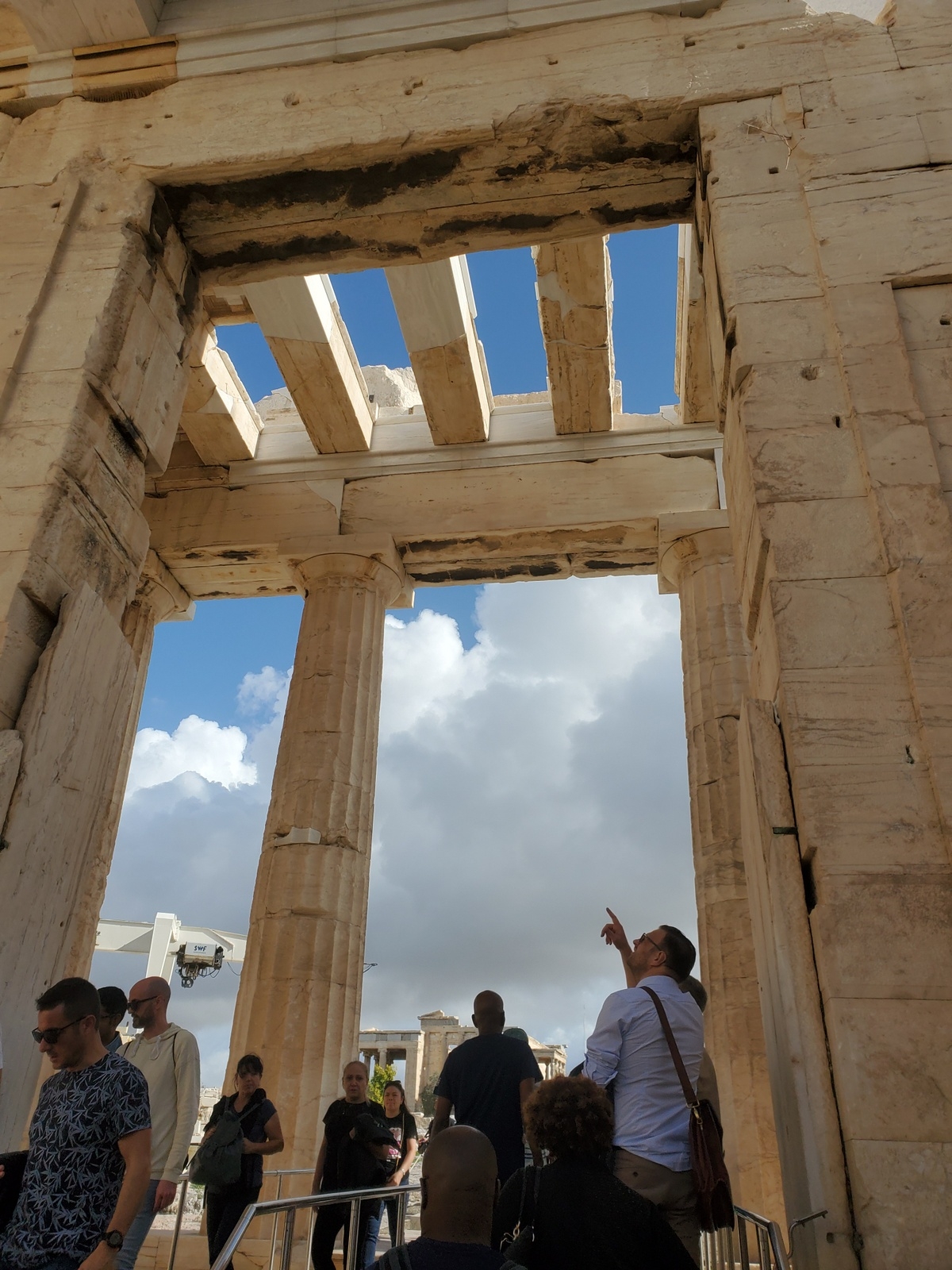
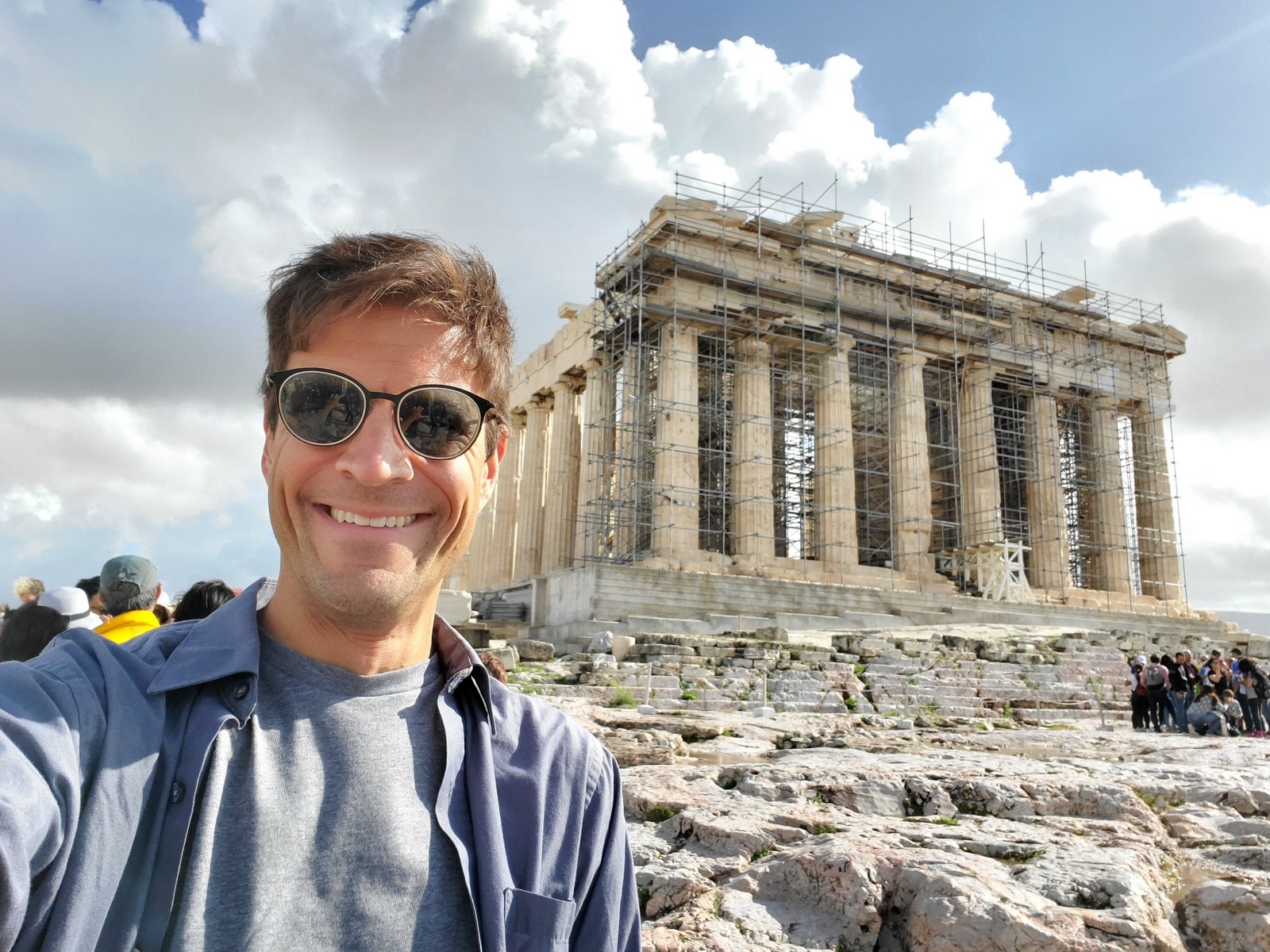
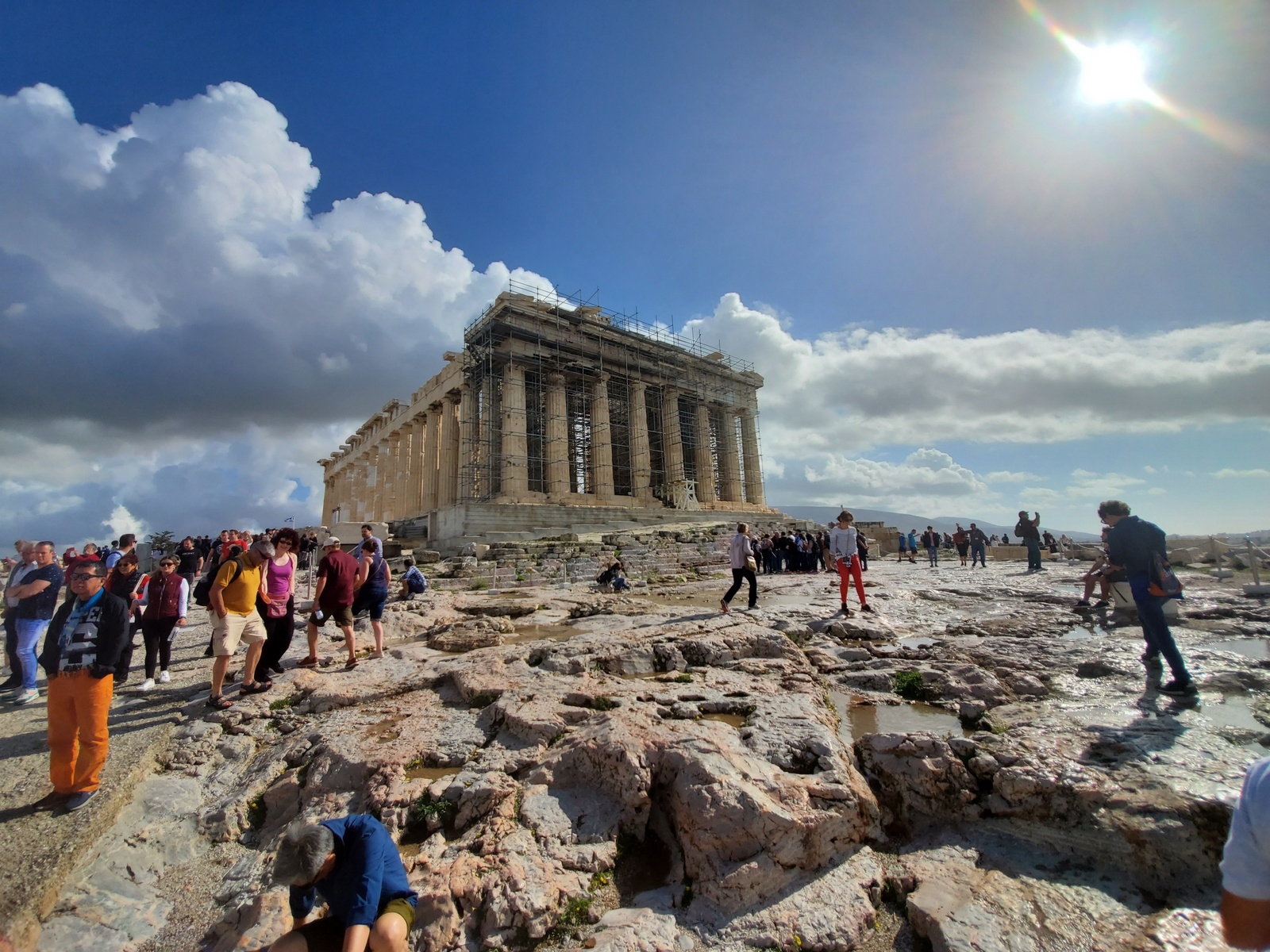
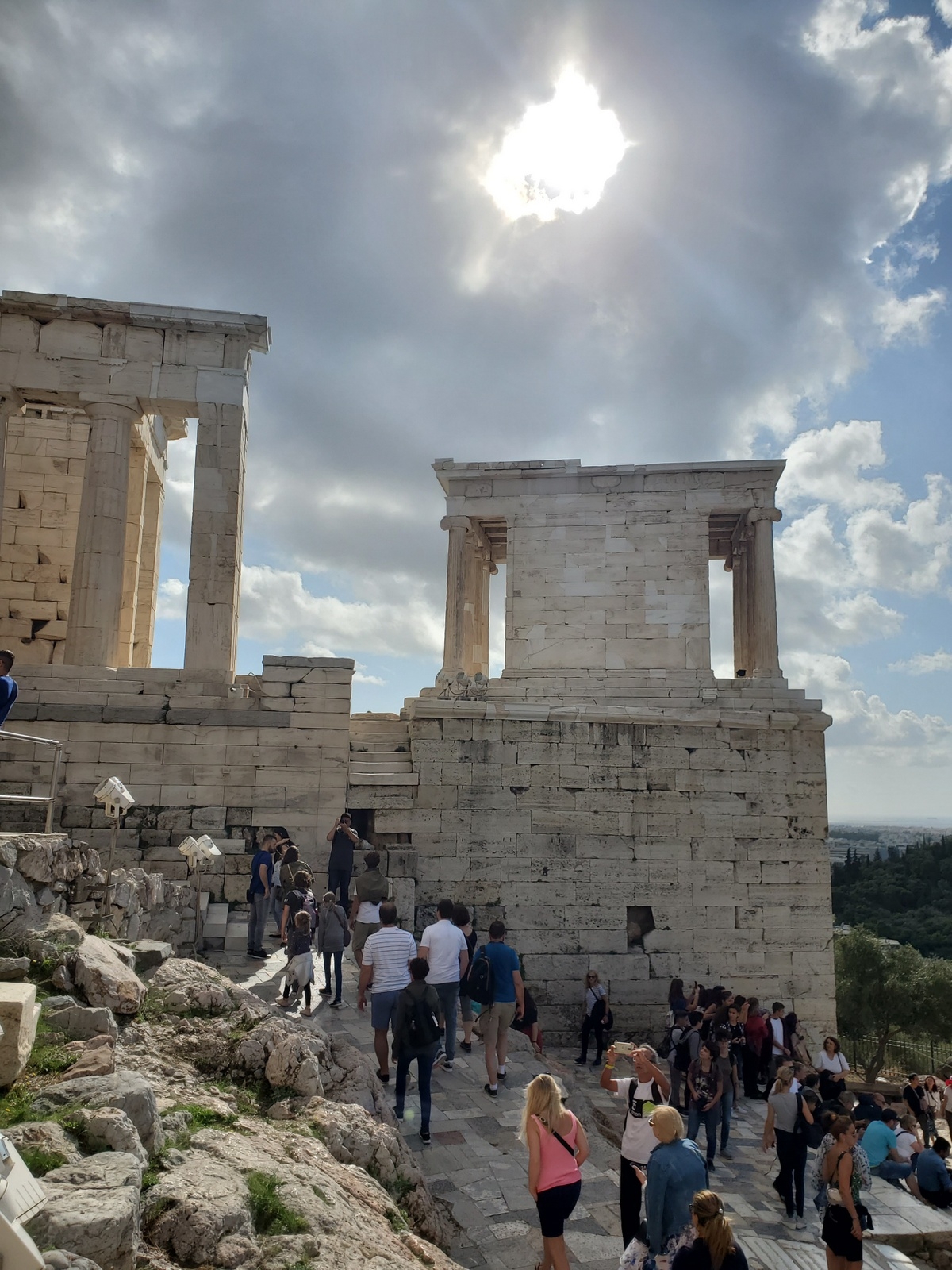
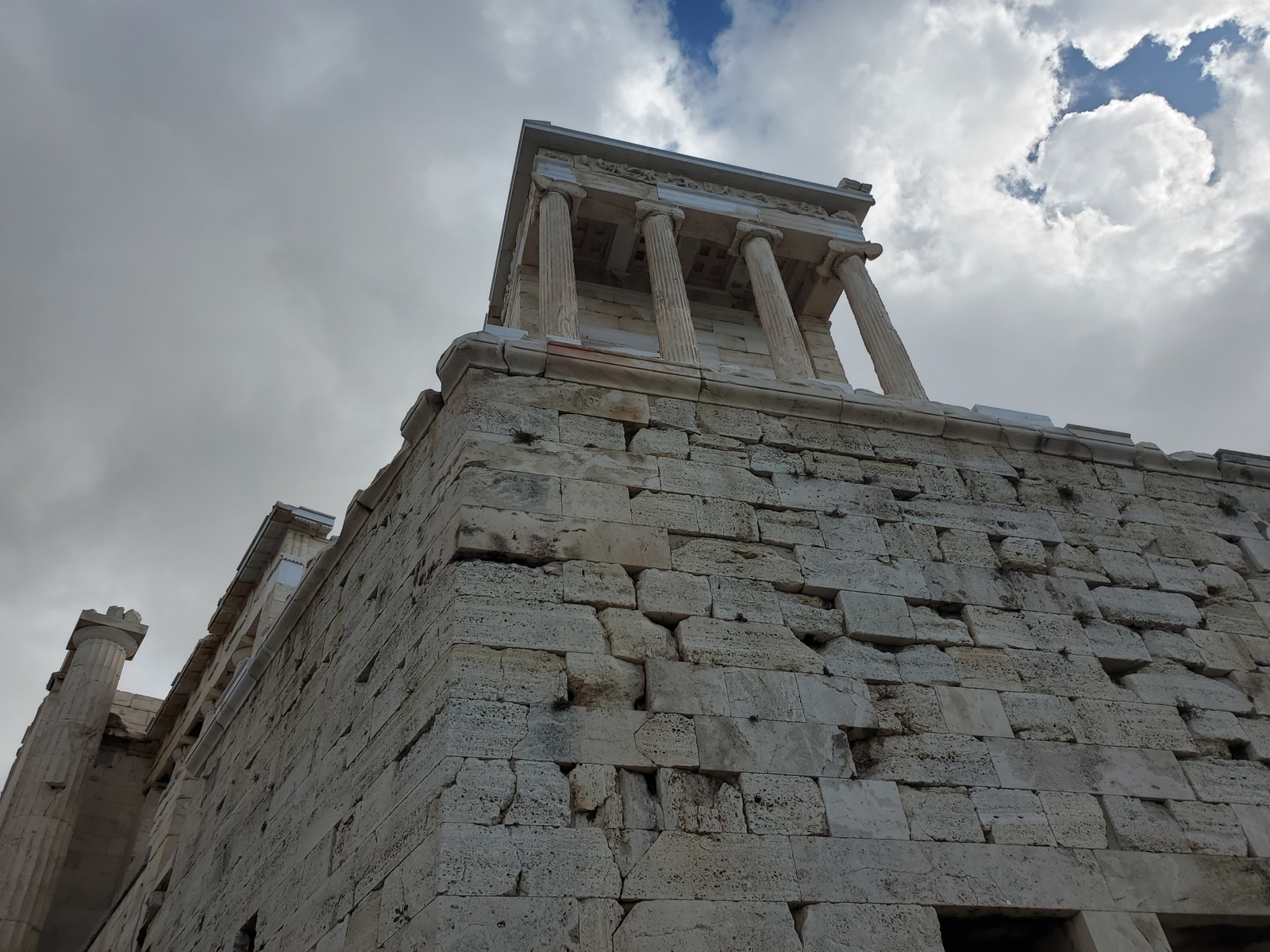
Below is Nike’s Temple, the goddess of victory. After two stellar victories over the Persians, The Athenians installed a WING-less Nike, because victory was never going to fly away from them. Maybe she snuck a red bull or something because not too long thereafter, Athens overplayed their hand in trying to conquer neighbors… and lost. Big time.
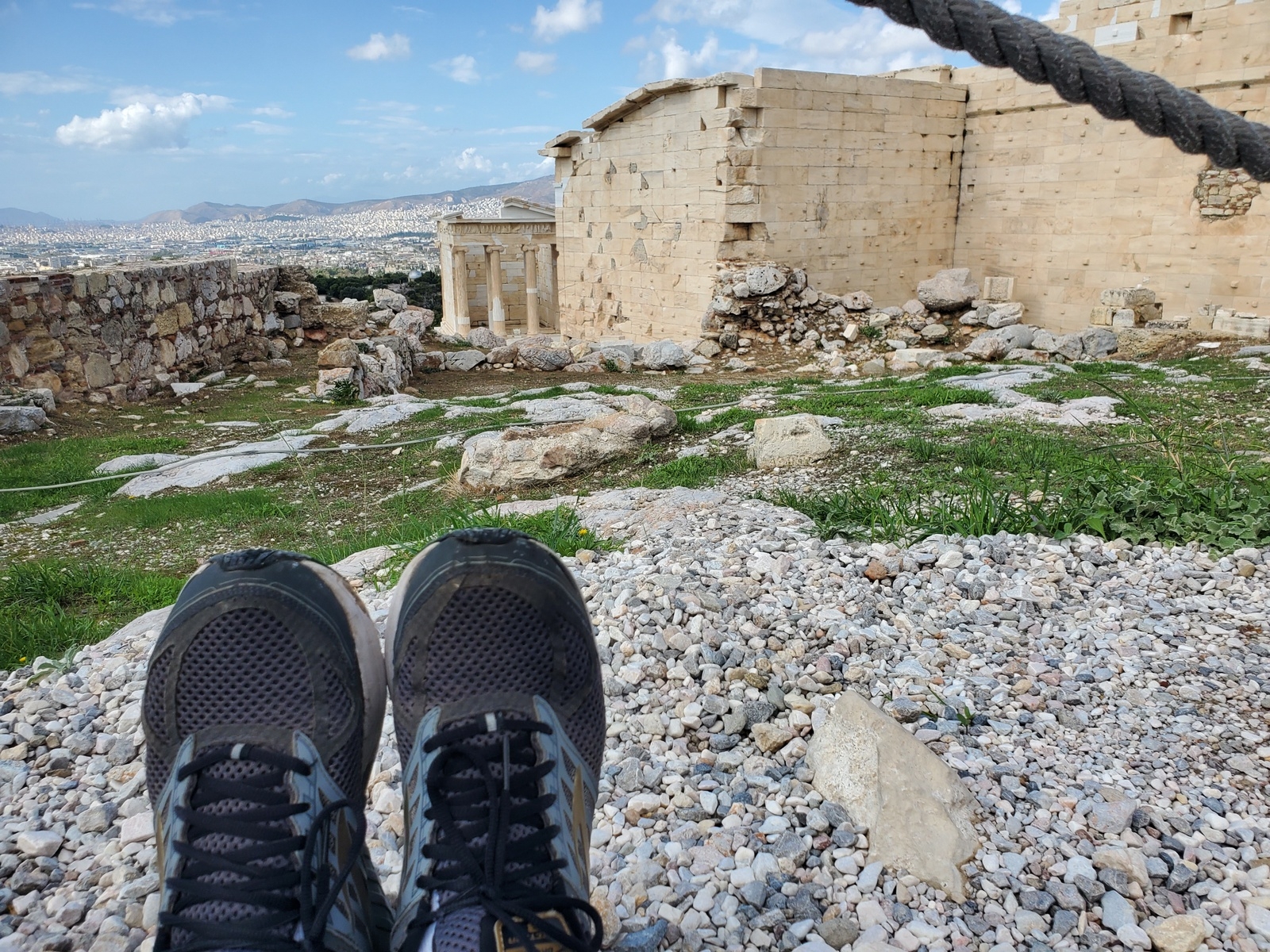
Below: my shoes outside Nike’s Temple. I wear Brooks. That’s how I run.
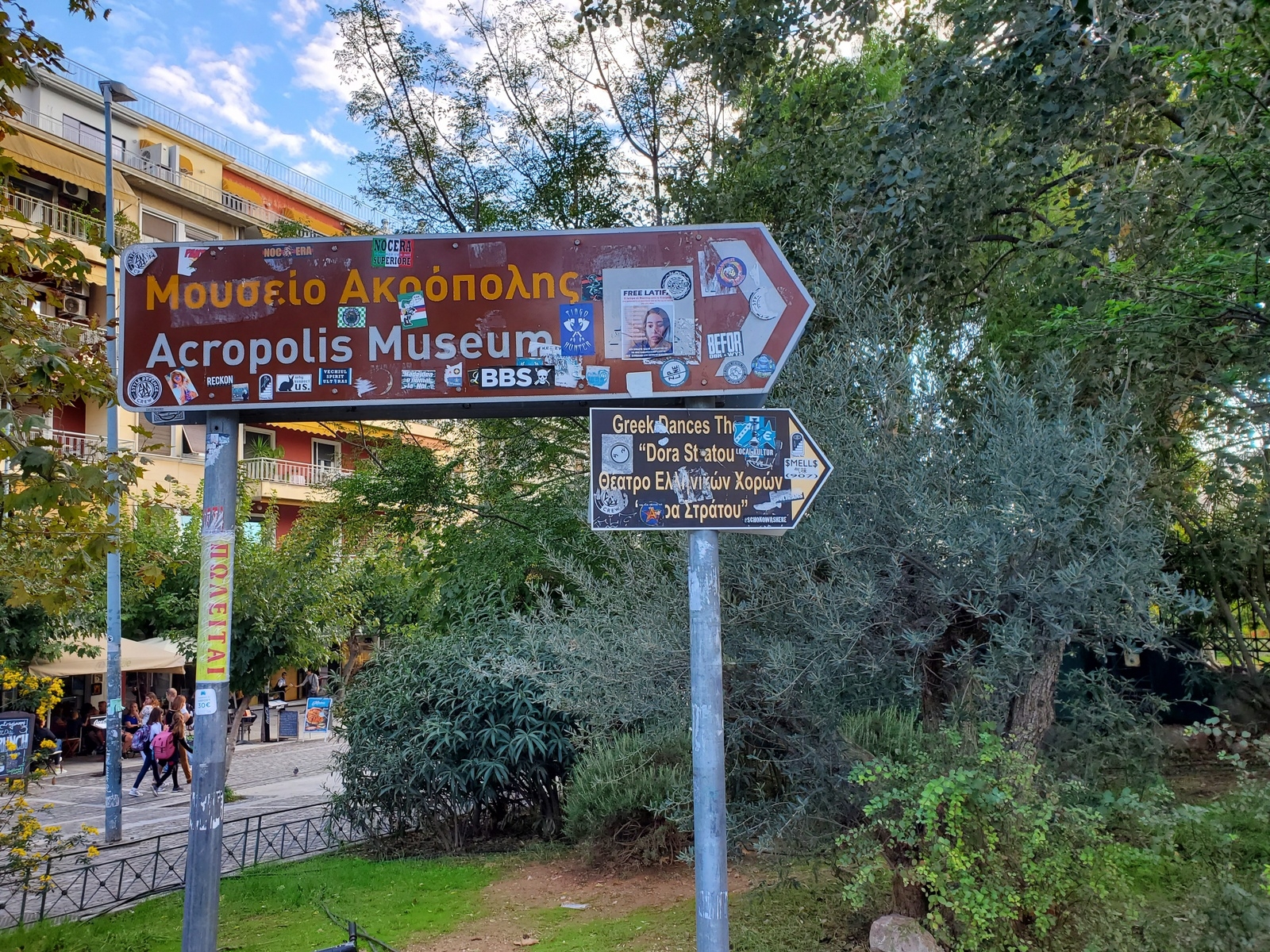
Part II: The Acropolis Museum — a World Class place… give them back their art, Britain. Br-art-exit!
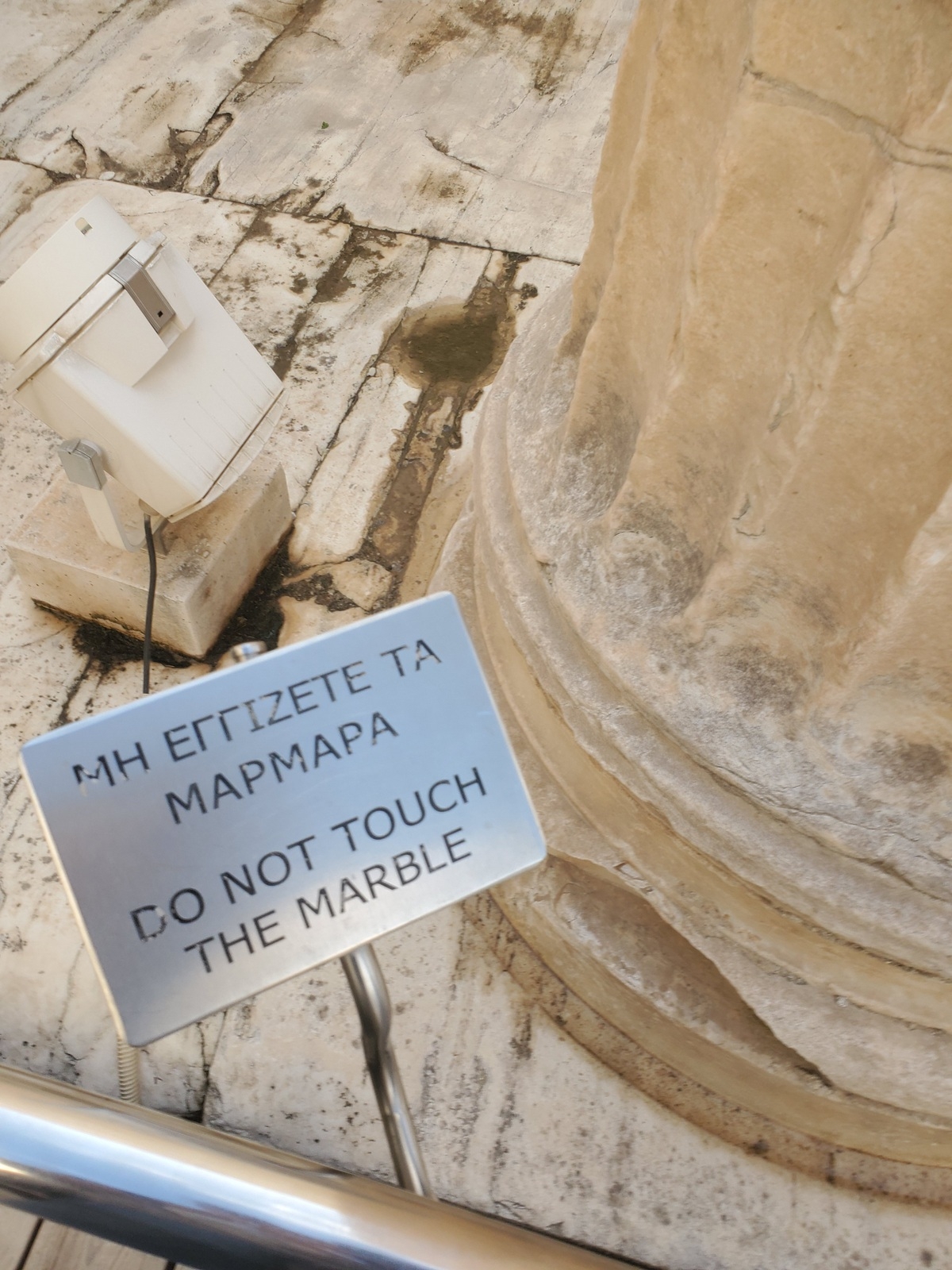
Albeit… much like practically ever other surface in Athens, the sign was covered with graffiti.
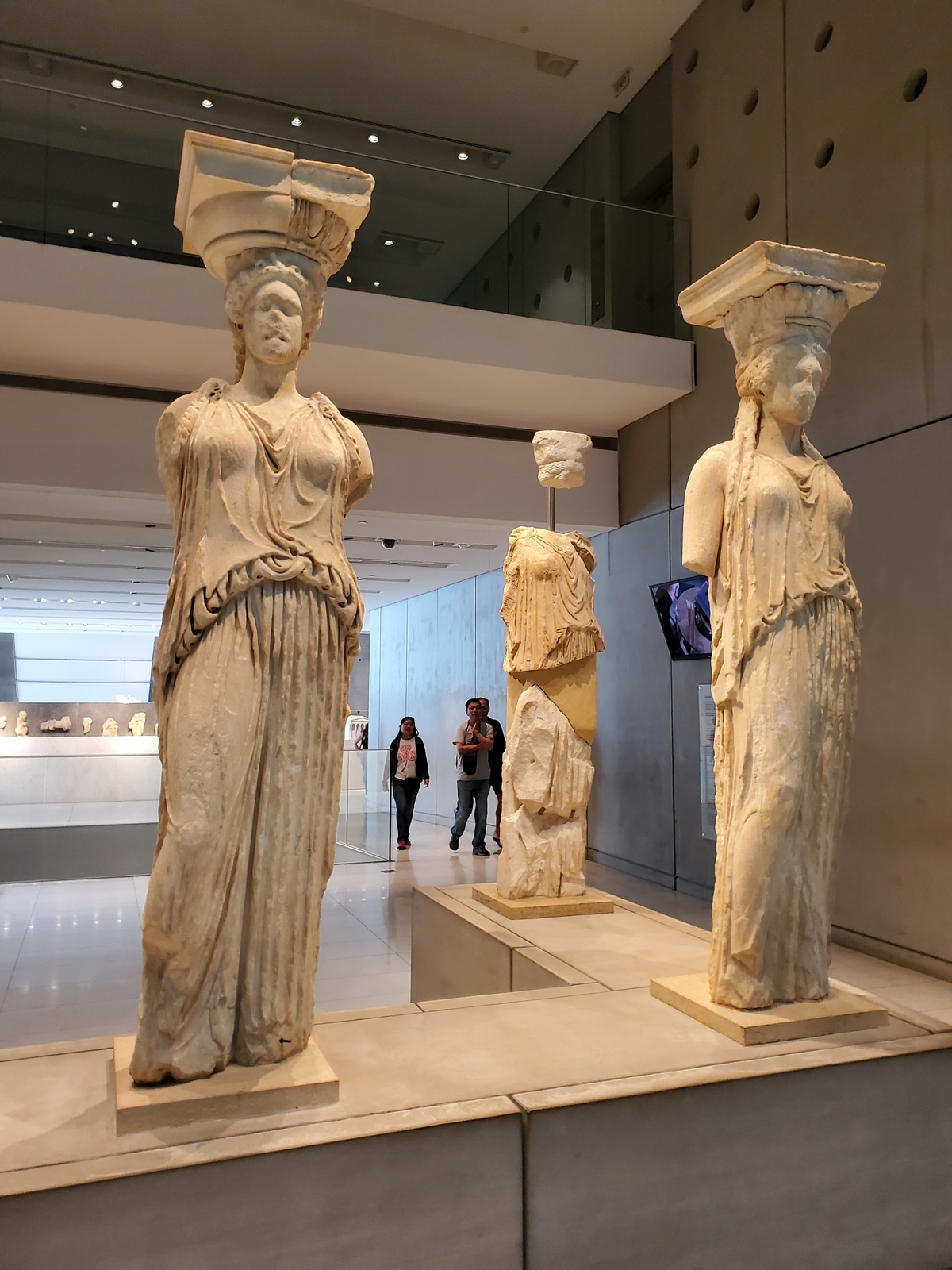
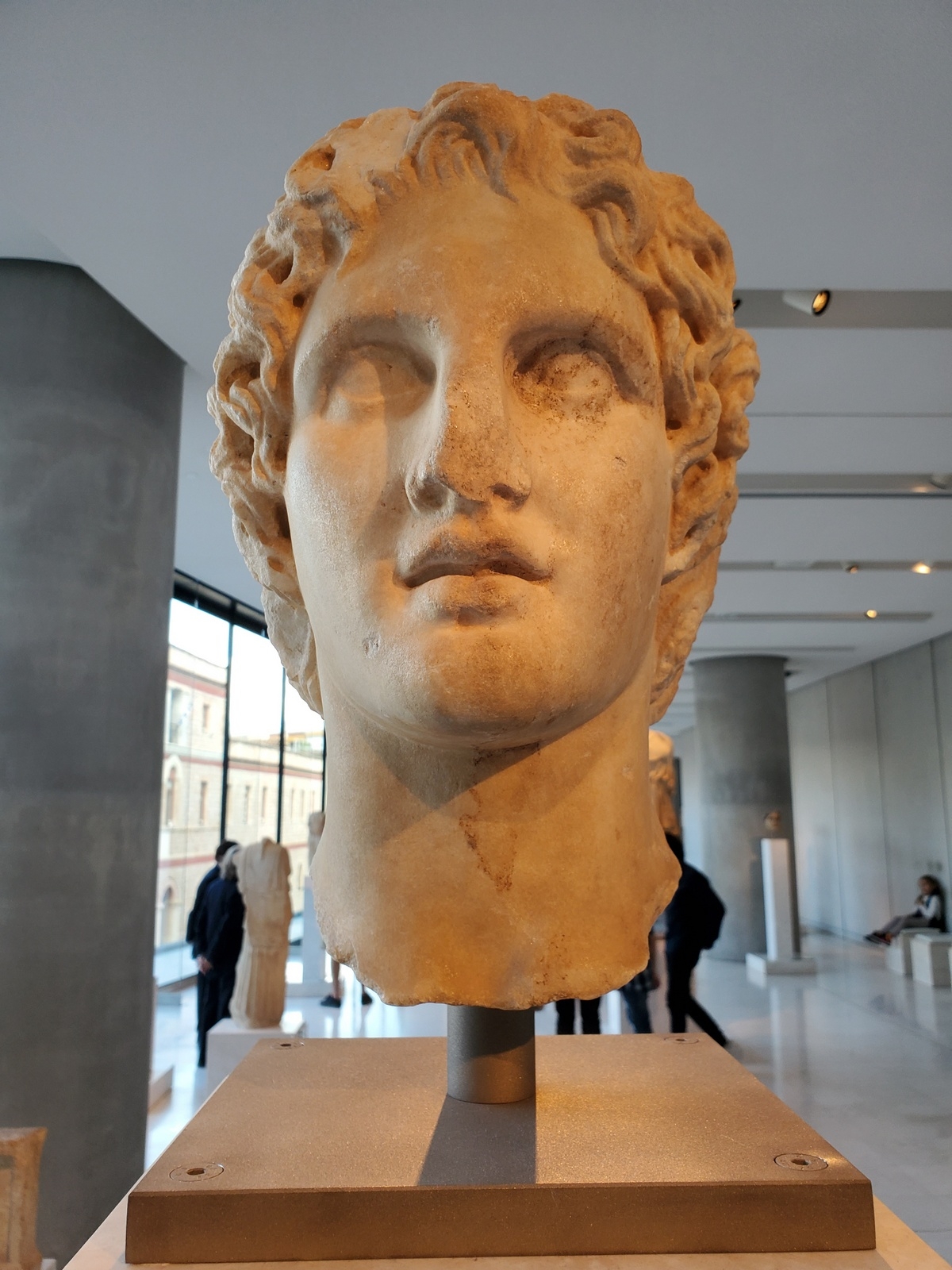
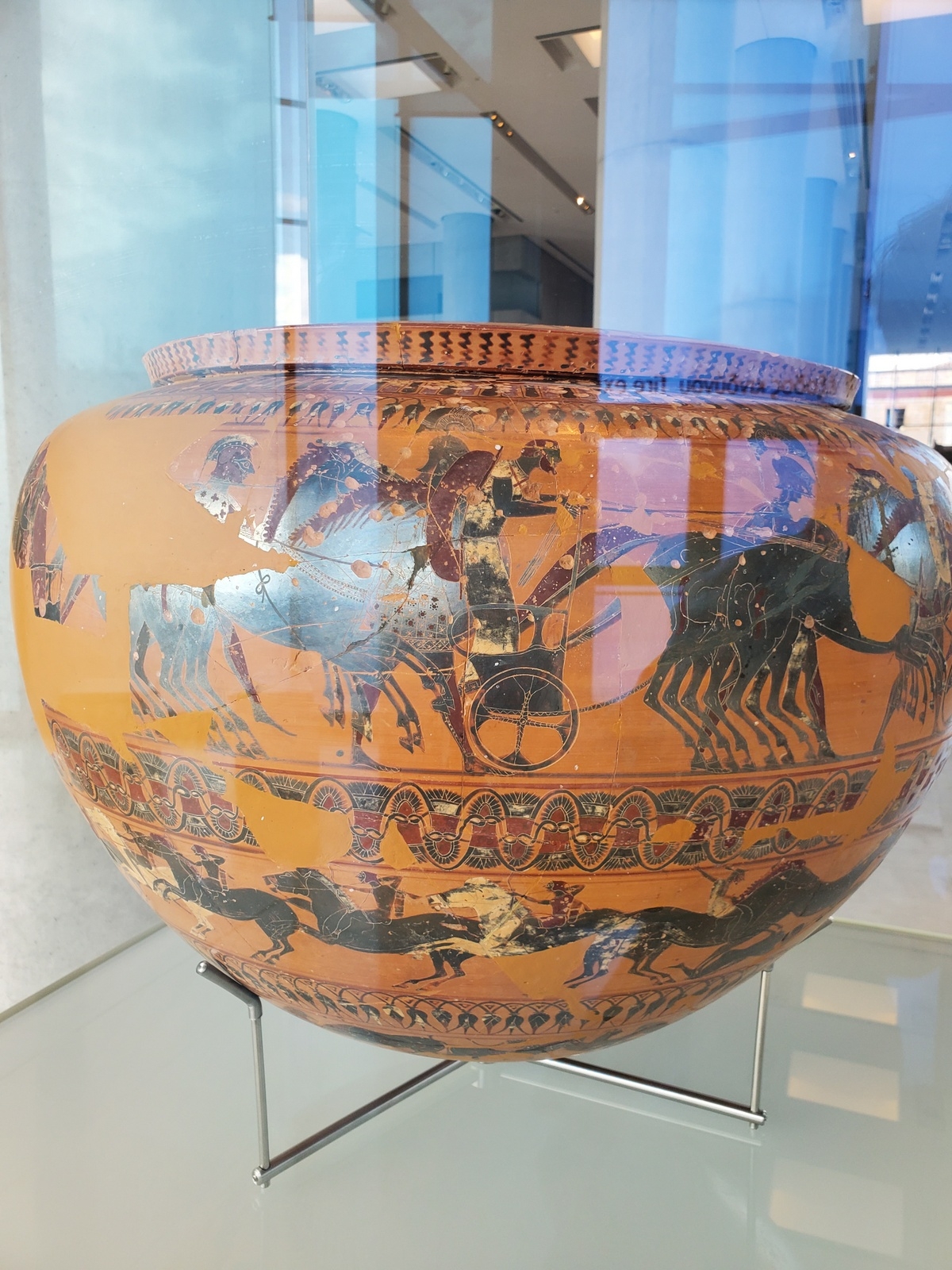
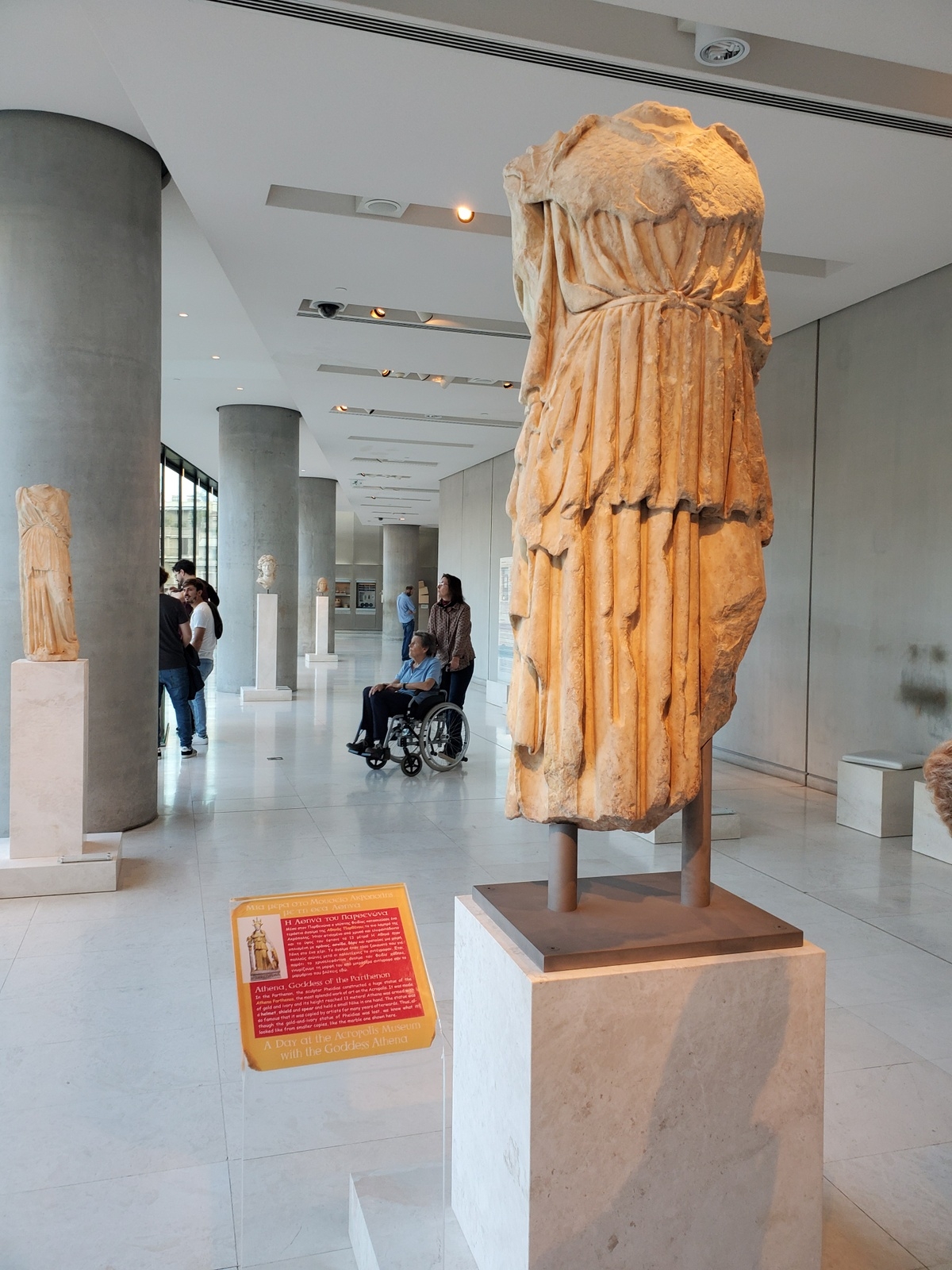
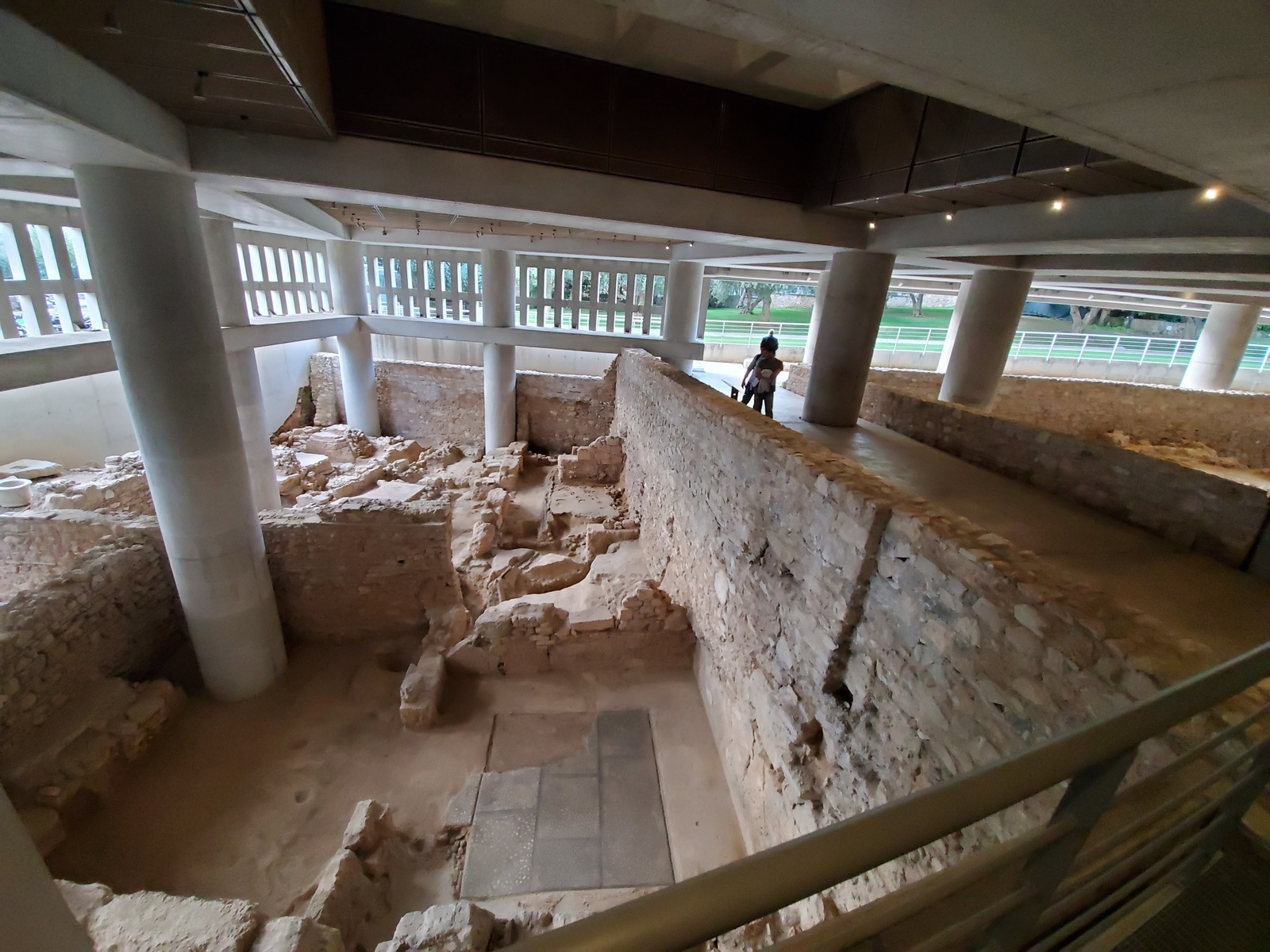
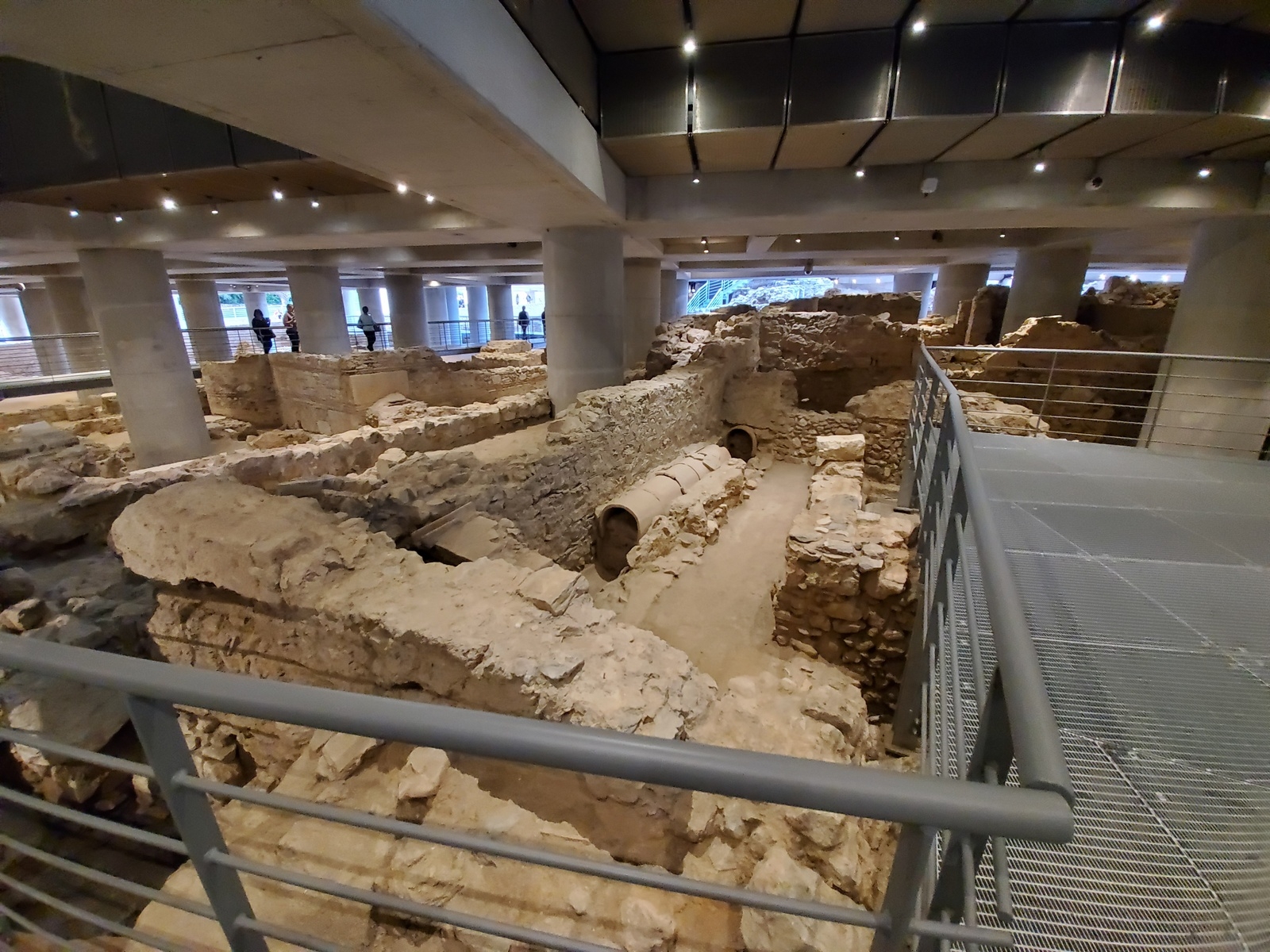
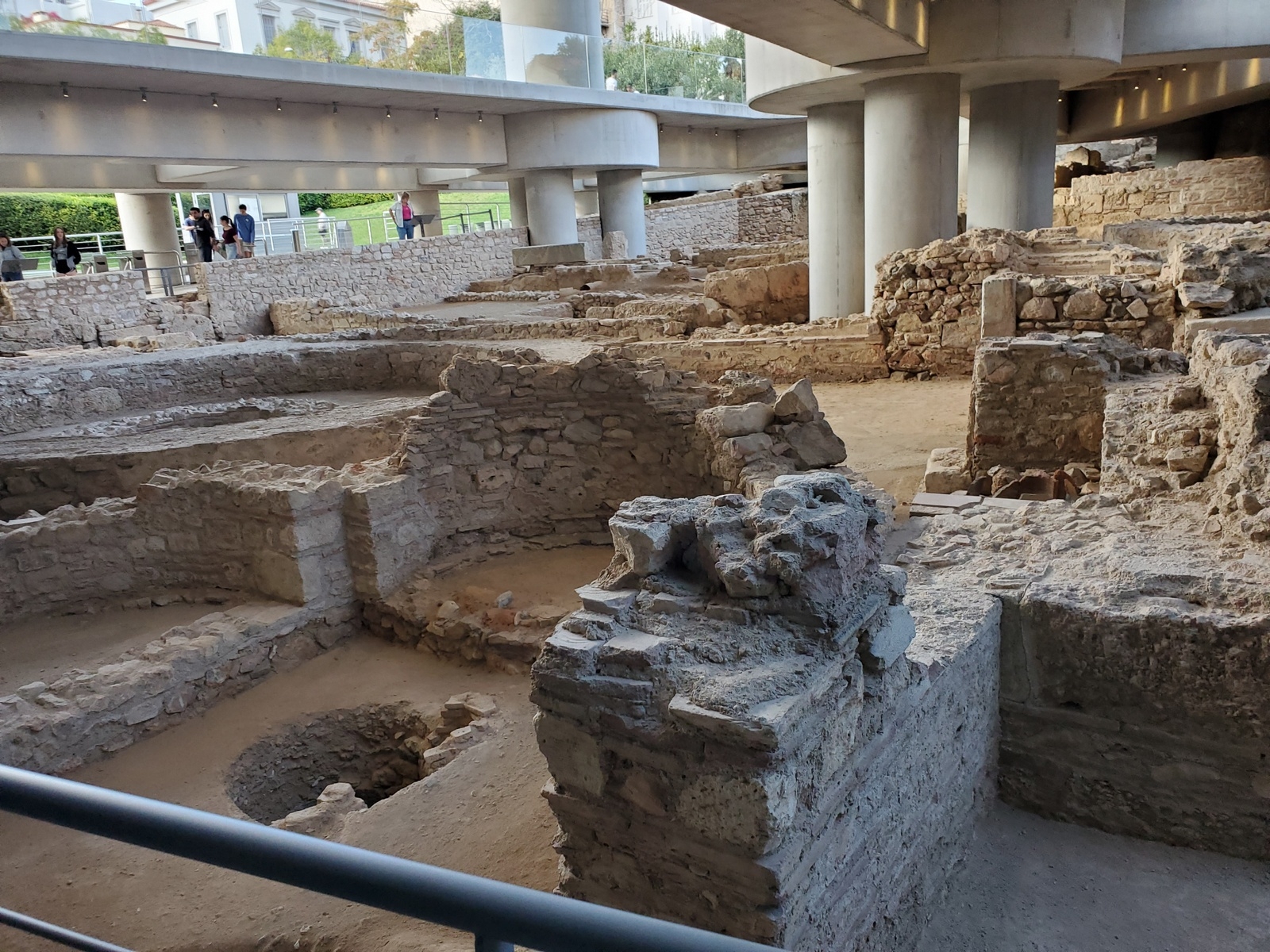
Personal confession — there’s only so much broken ruins I can take in a day unless they’re really unique. Ditto with works of art, cathedrals, mimes, etc. It becomes a wave of all looking the same to me after a while. And I know it’s not remotely correct to say “you’ve seen one, you’ve seen them all…” and yet… you’ve seen one collapsed, incomplete Corinthian column, you kinda have seen them all. That’s what I REALLY wanted to go check out this museum.
But when you’re in a group… majority rules. Stupid democracy. Way to go, Greeks. Muck it all up why dontcha?
***
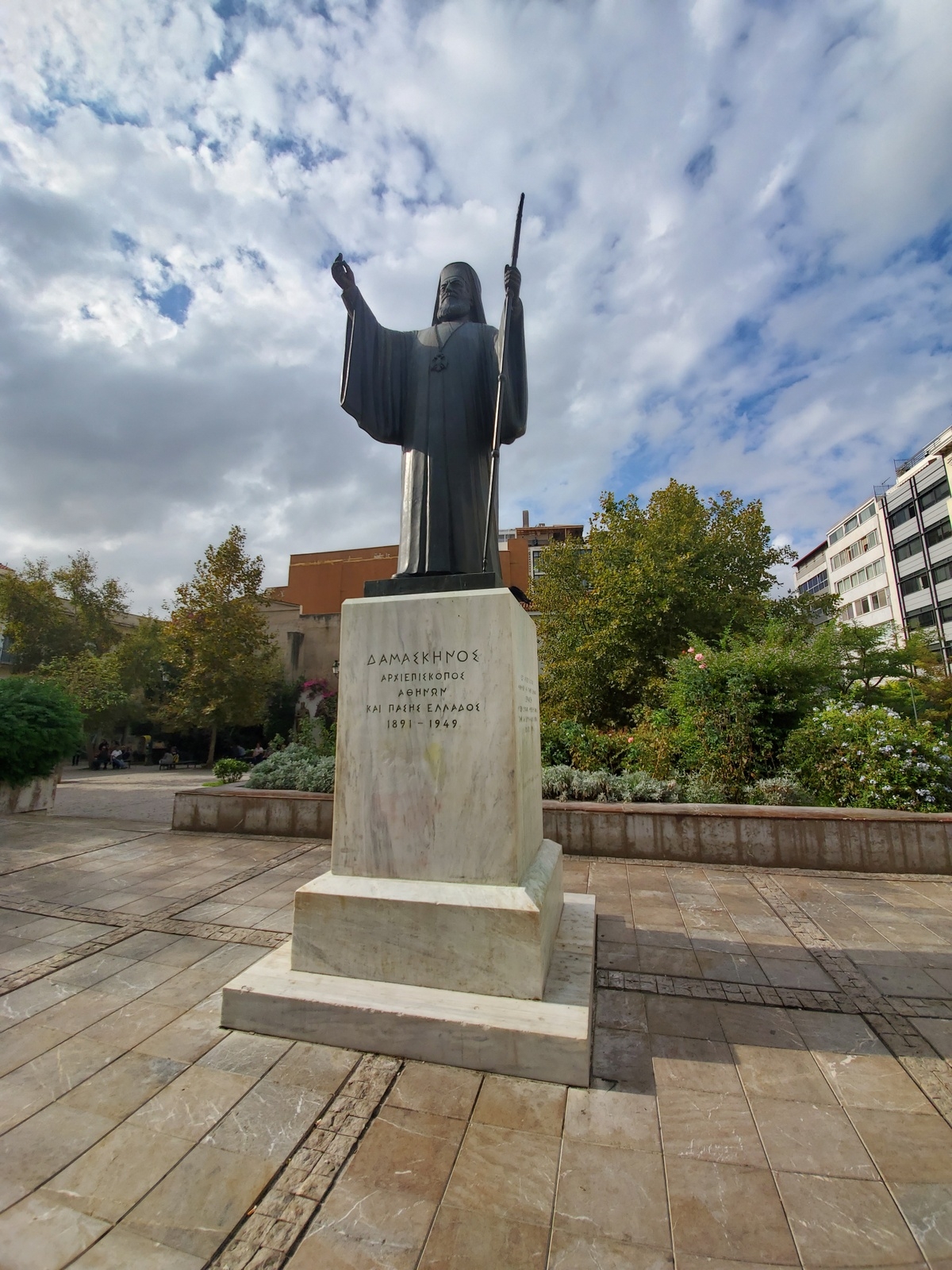
Part III: Figure Heads About Town
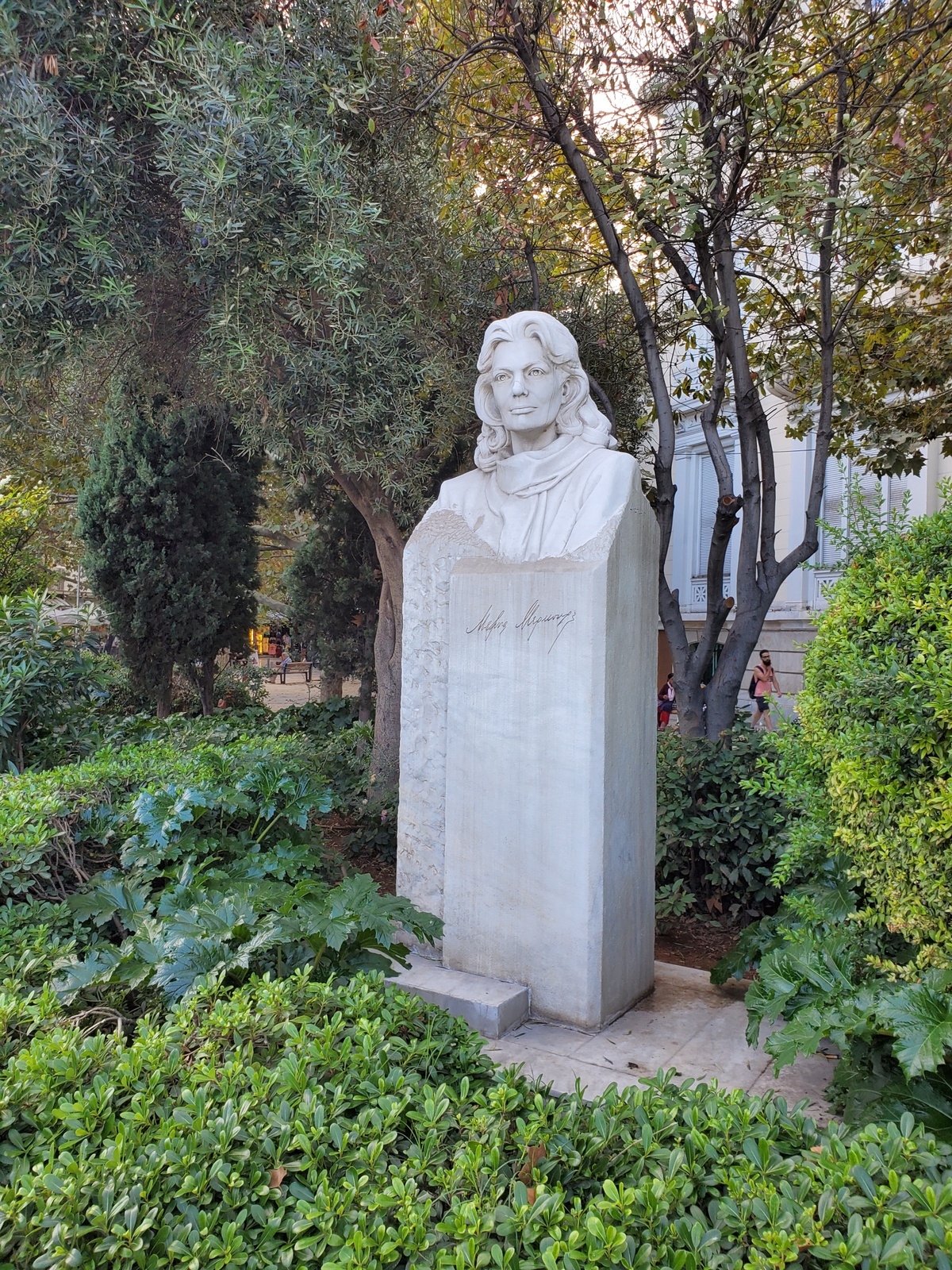
1 – I don’t know who this guy below is supposed to be… but he kinda looked like David Bowie as the Goblin King. So I give it a 10.
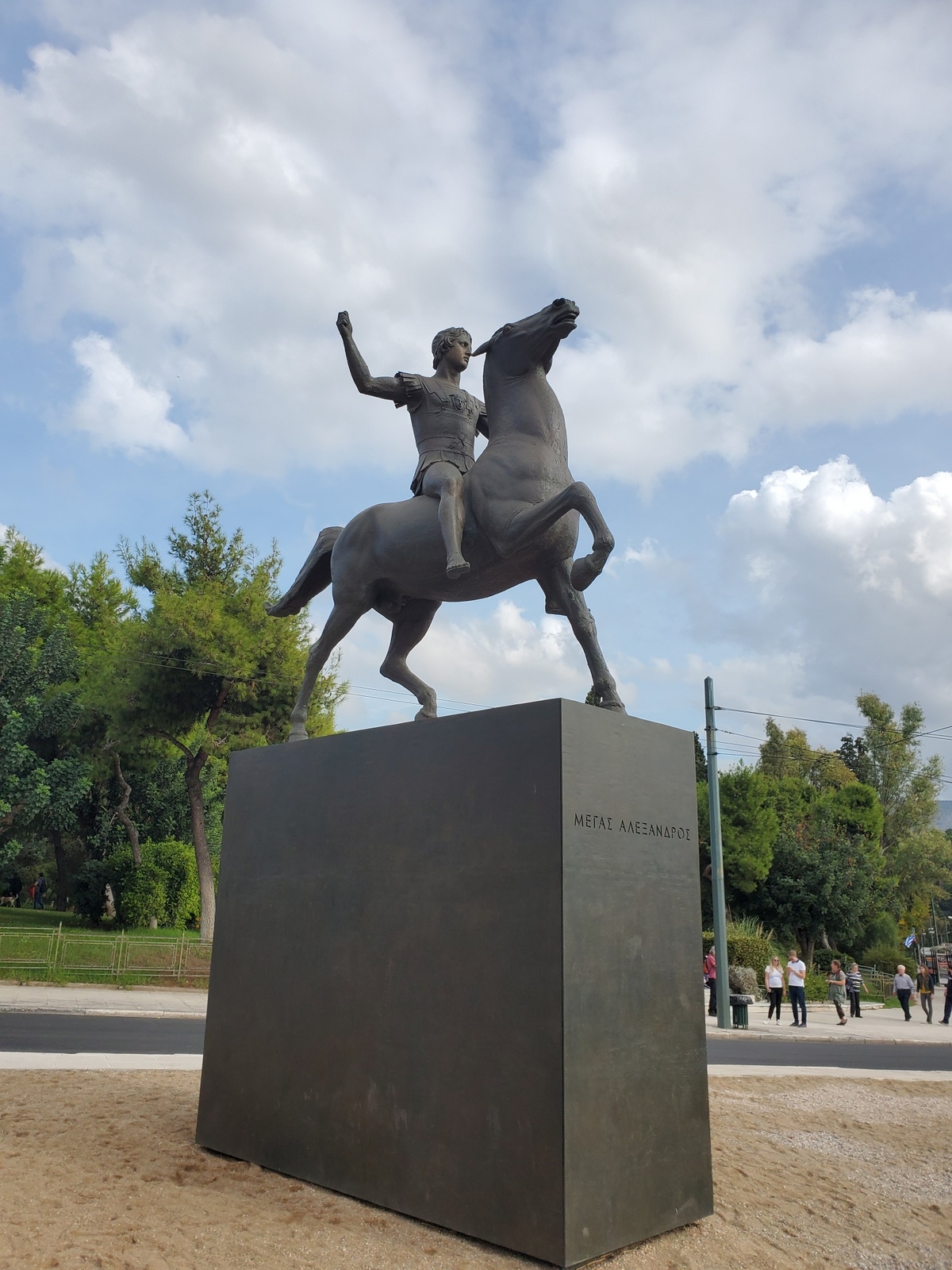
2 – A recently erected statue of Alexander the Great… I thought it was just okay.
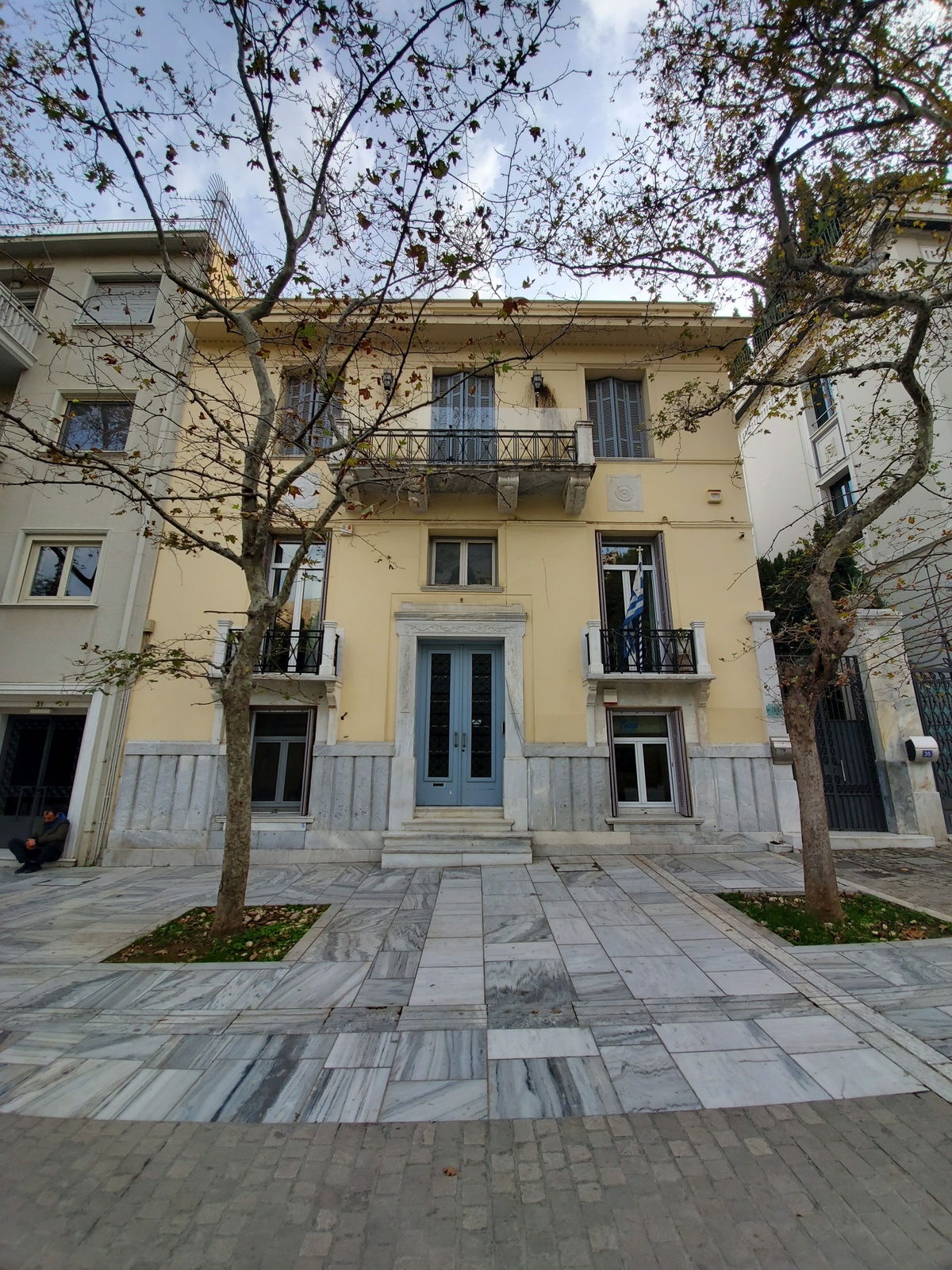
3 – This is Number 33 on the street from the Parthenon down to the Placa area. There was this incredibly corrupt government official who had embezzled A LOT of money. And he was caught because he married a younger woman (by about 4 decades) who flaunted baubles and gizmos aplenty; thingamabobs? She had like 20. But anyway, ultimately he was caught and disgraced. But the money… well, that’s still ongoing. Anyway, rumor was that he had bought this house, number 33. And so Greek passersby would curse it by flinging their open palms at it, literally throwing a curse at the place. It happened so often and became such a thing, that some superstitious tenants on the lower level put up a sign that said, and I’m paraphrasing and translating in one – “Please only curse the upper floor; that’s the only floor he owns.”
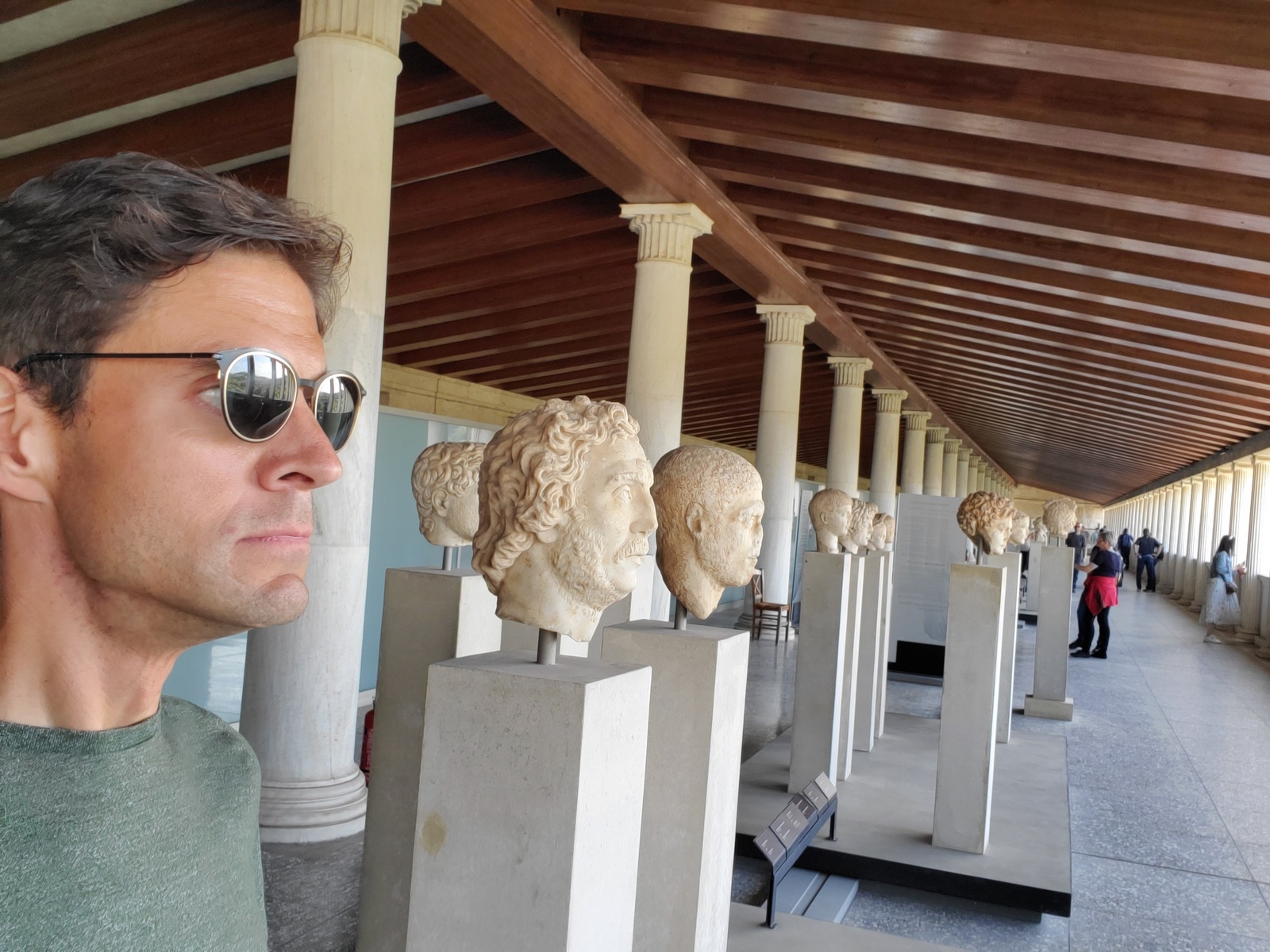
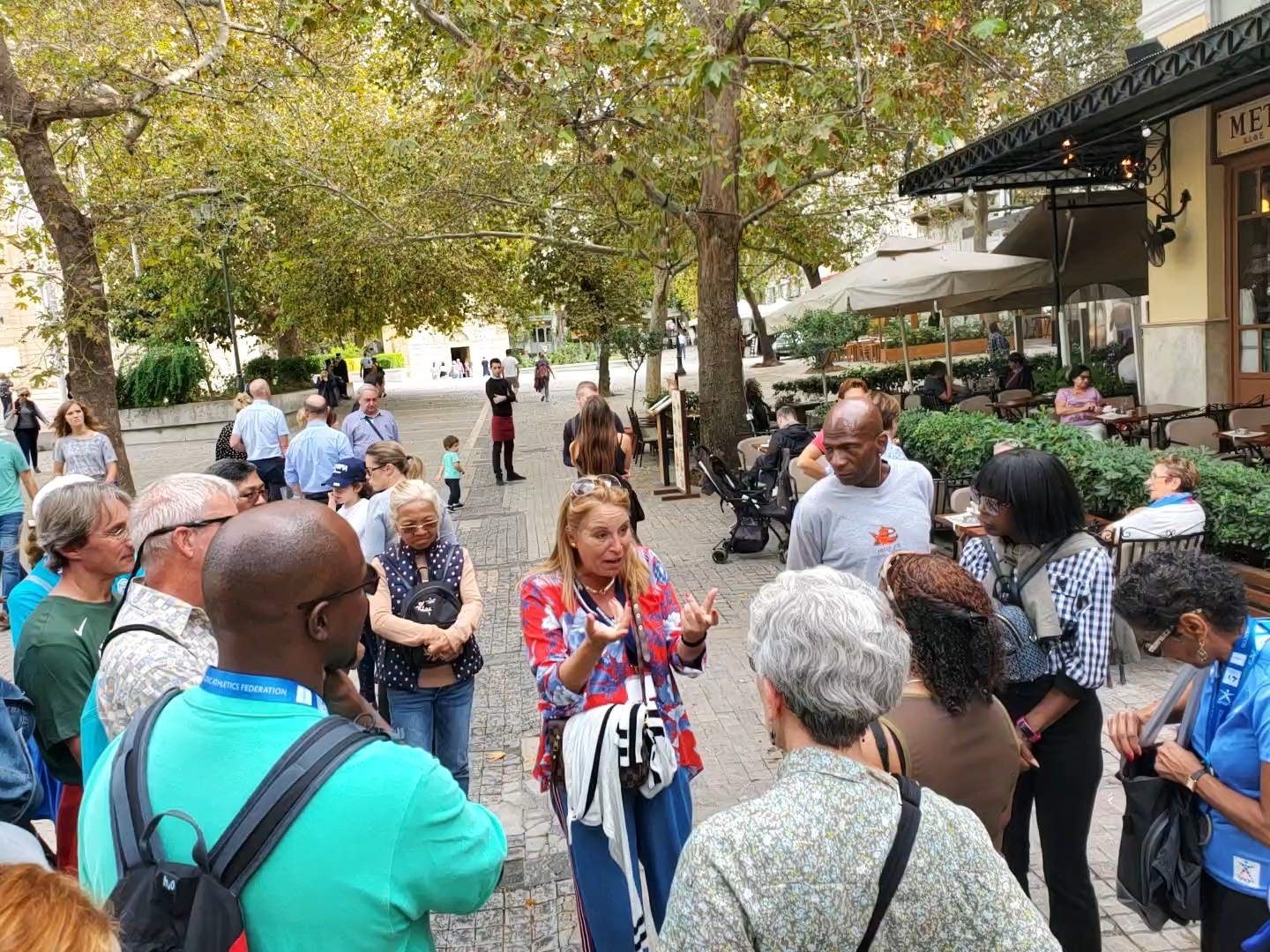
4 – Heads. Eva the tour guide told us the reason Roman statues are always headless is that it’s because the bodies tended to be mass produced and the heads were interchangeable… kinda like LEGOs I guess. Is that true? I don’t know… sometimes tour guides tell me things and I can’t tell if they’re just making stuff up or if it’s really real.
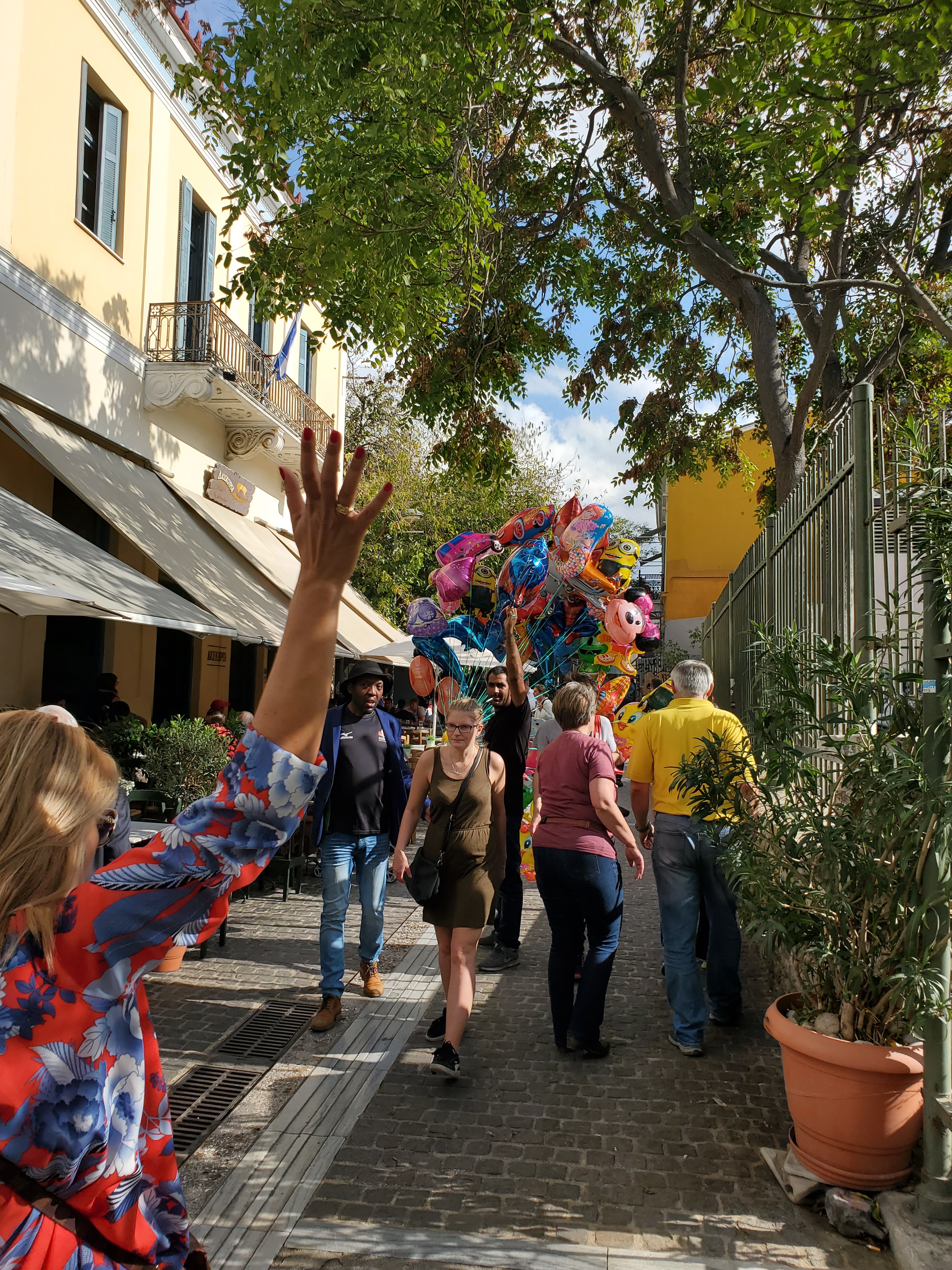
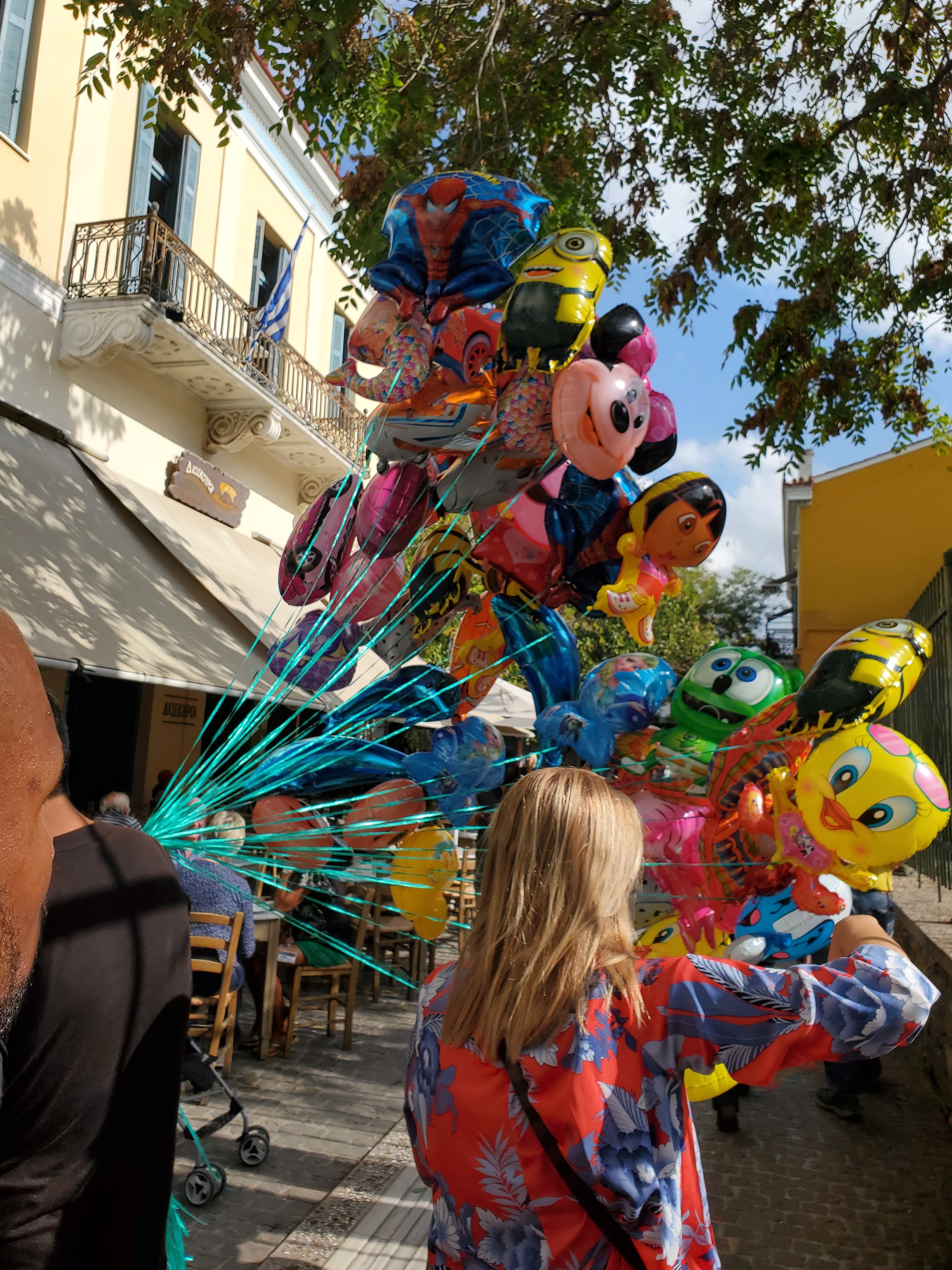
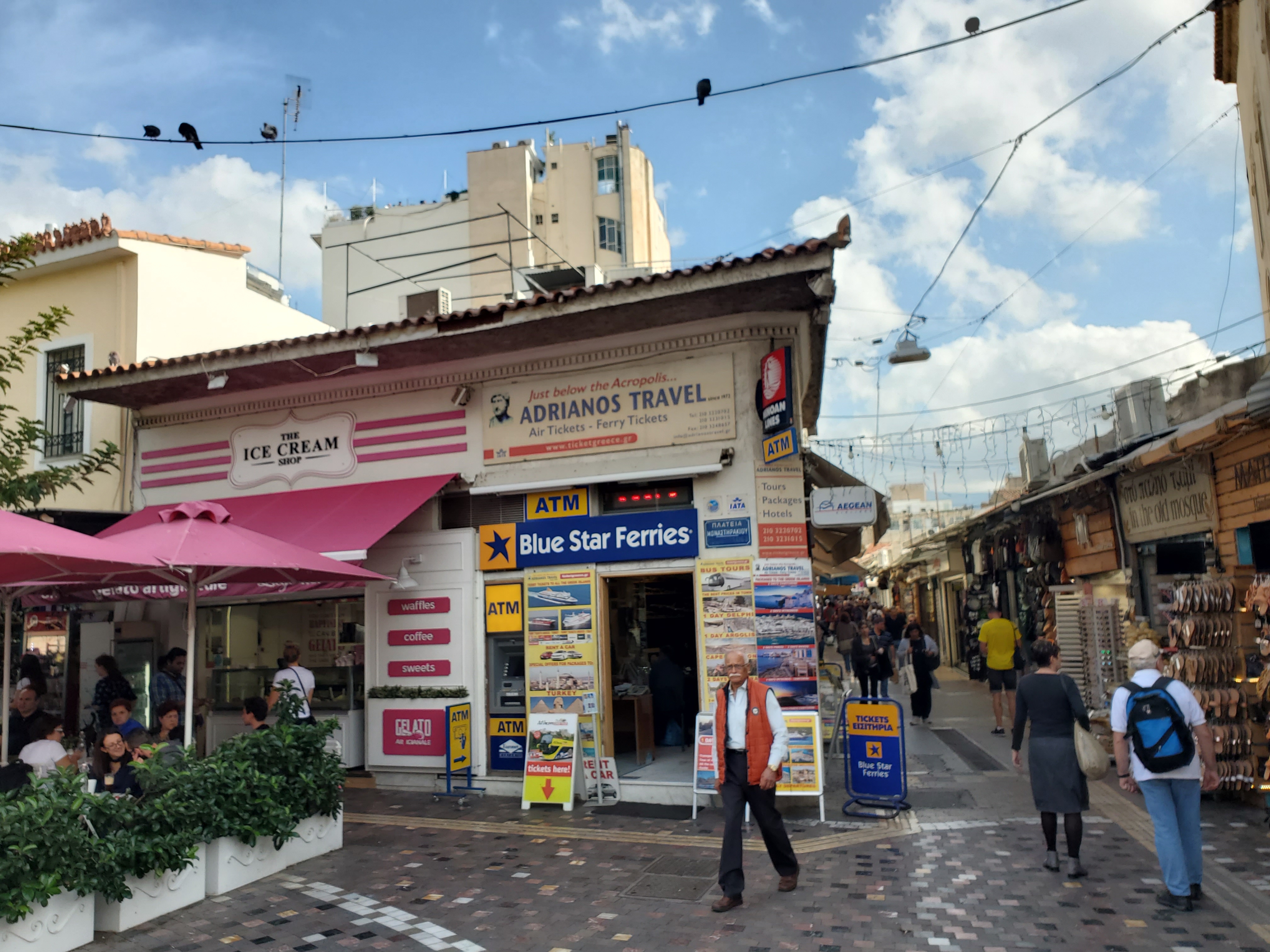
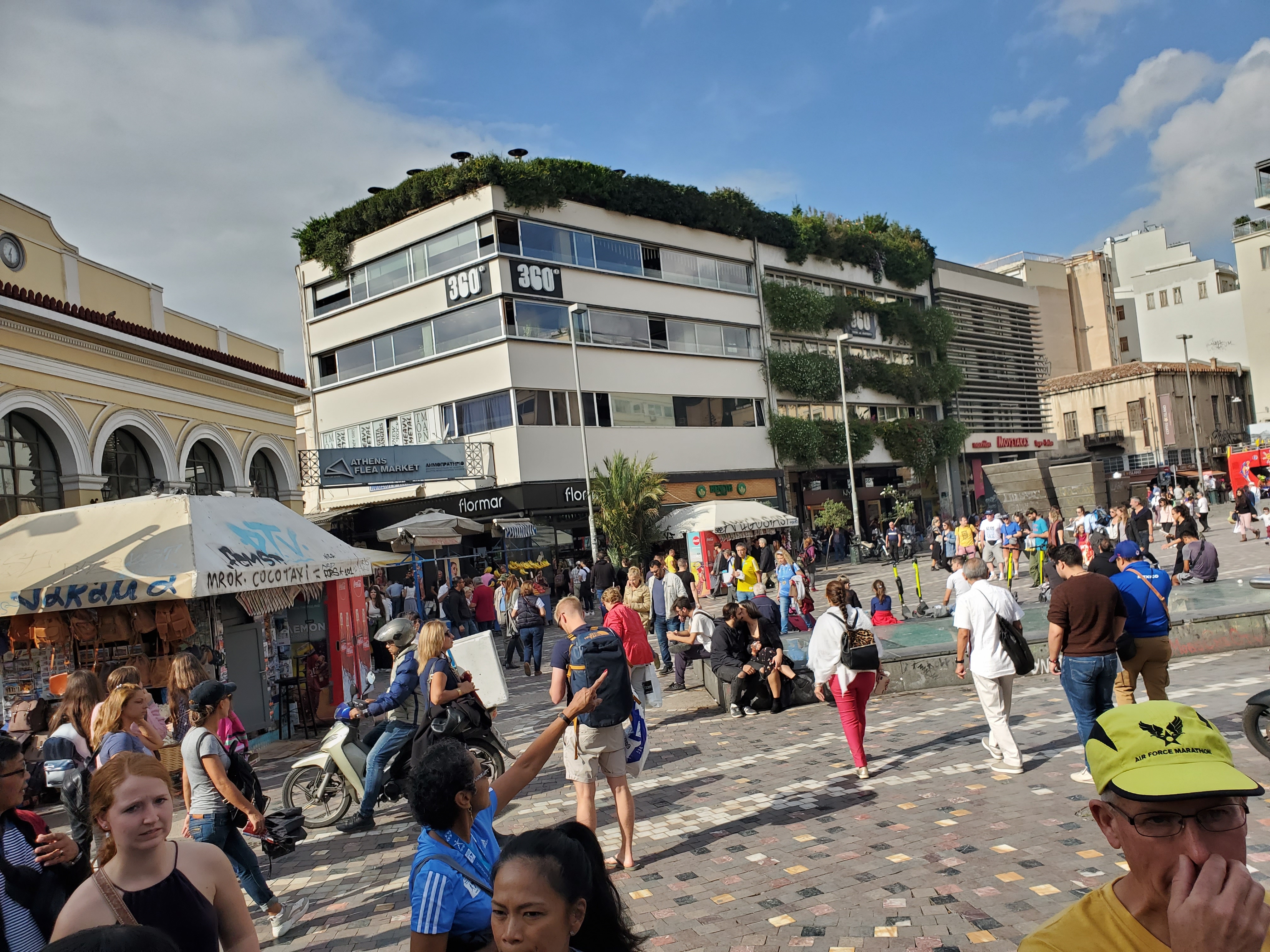
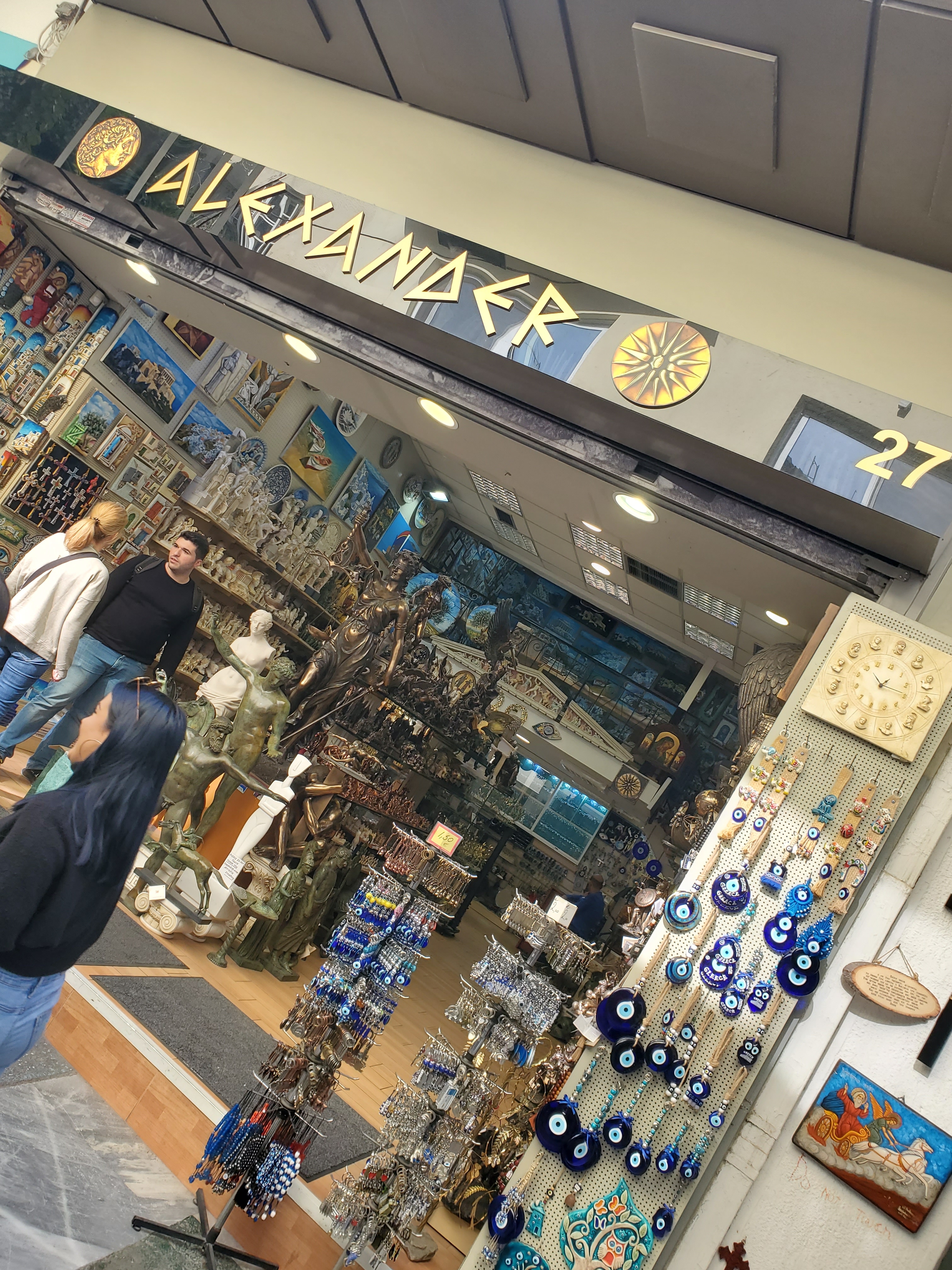
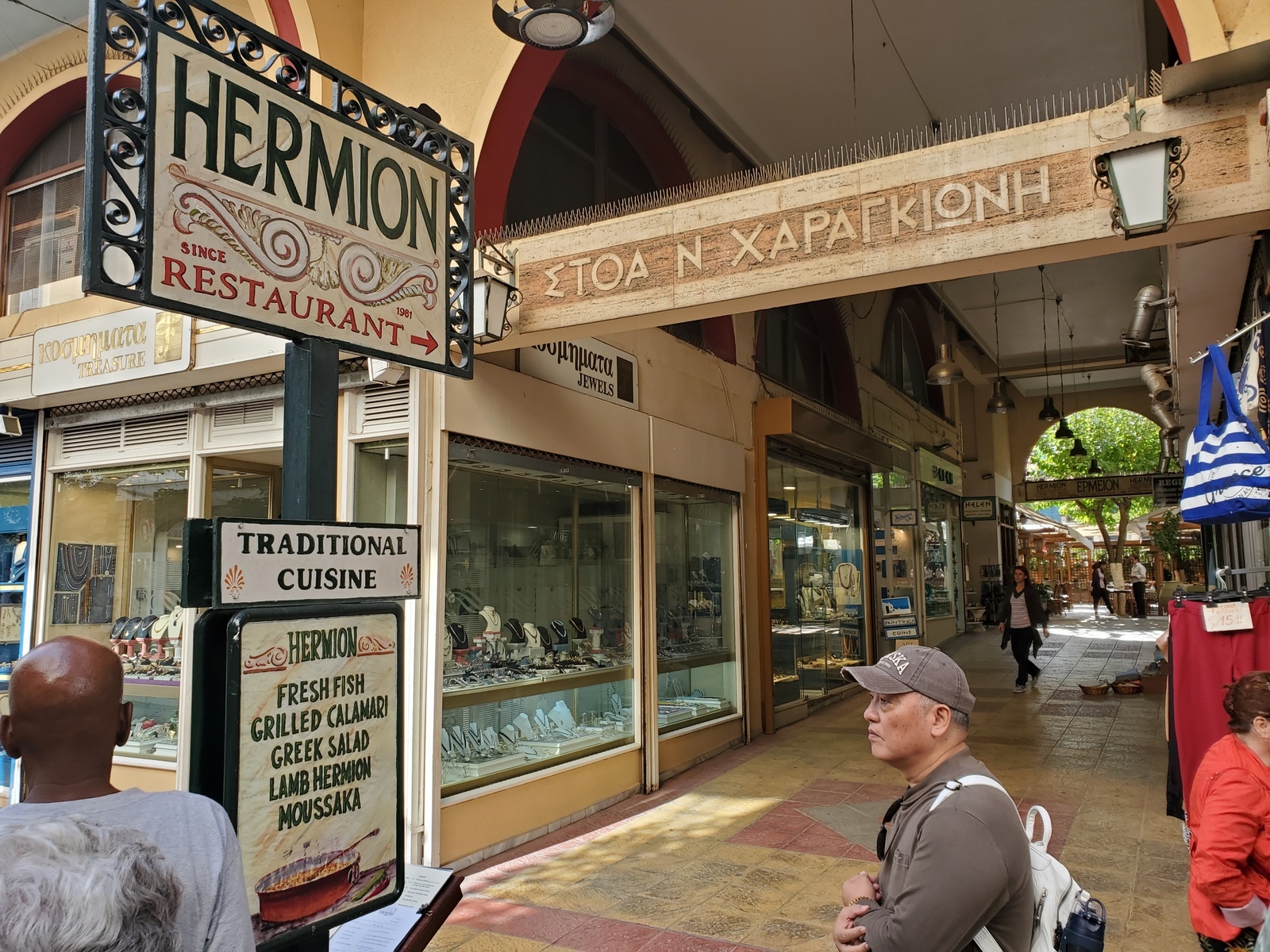
5 – Tourist Town, the modern day agora adjacent to the ancient one. This is the Plaka. Caveat Emptor.
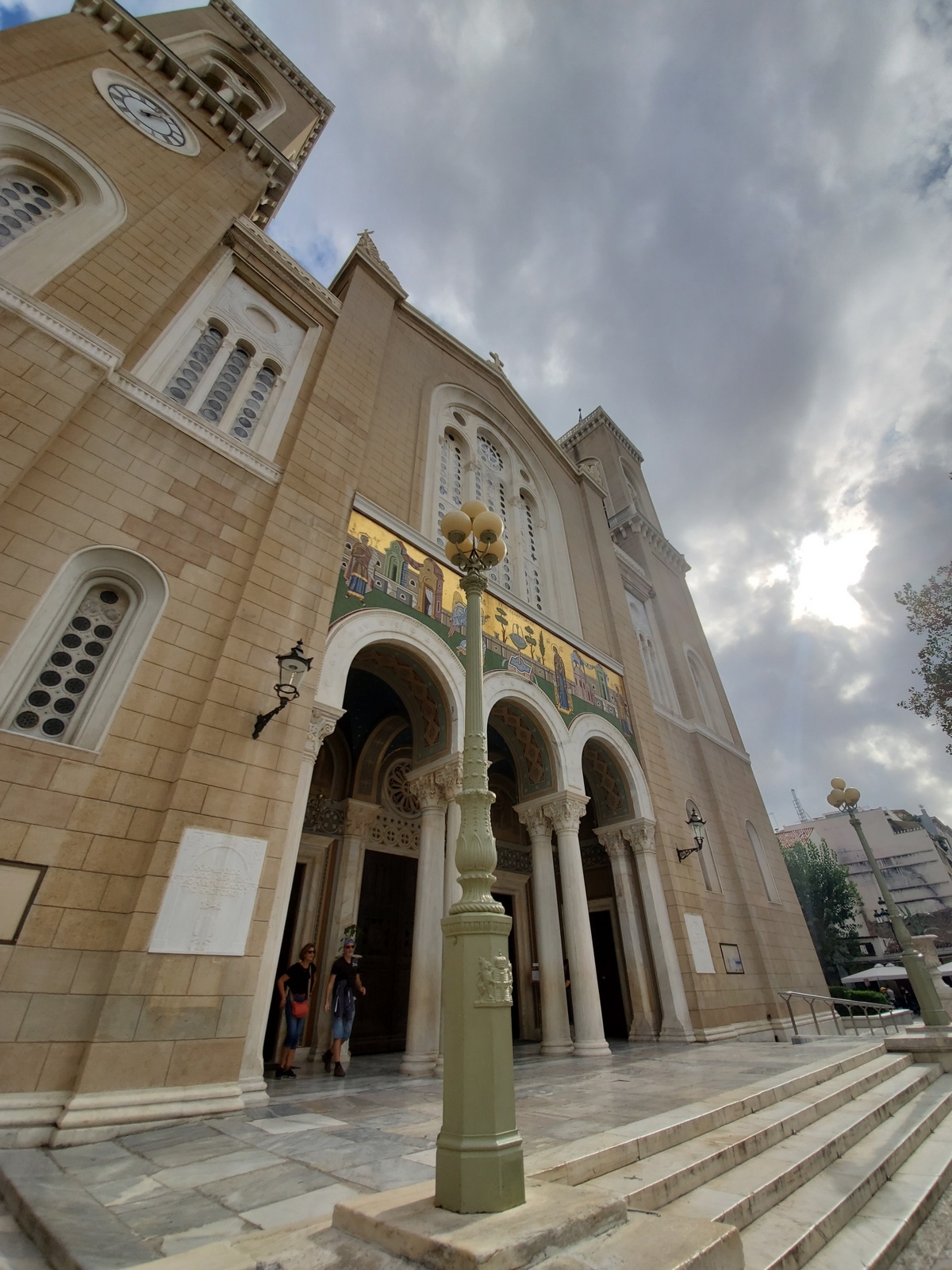
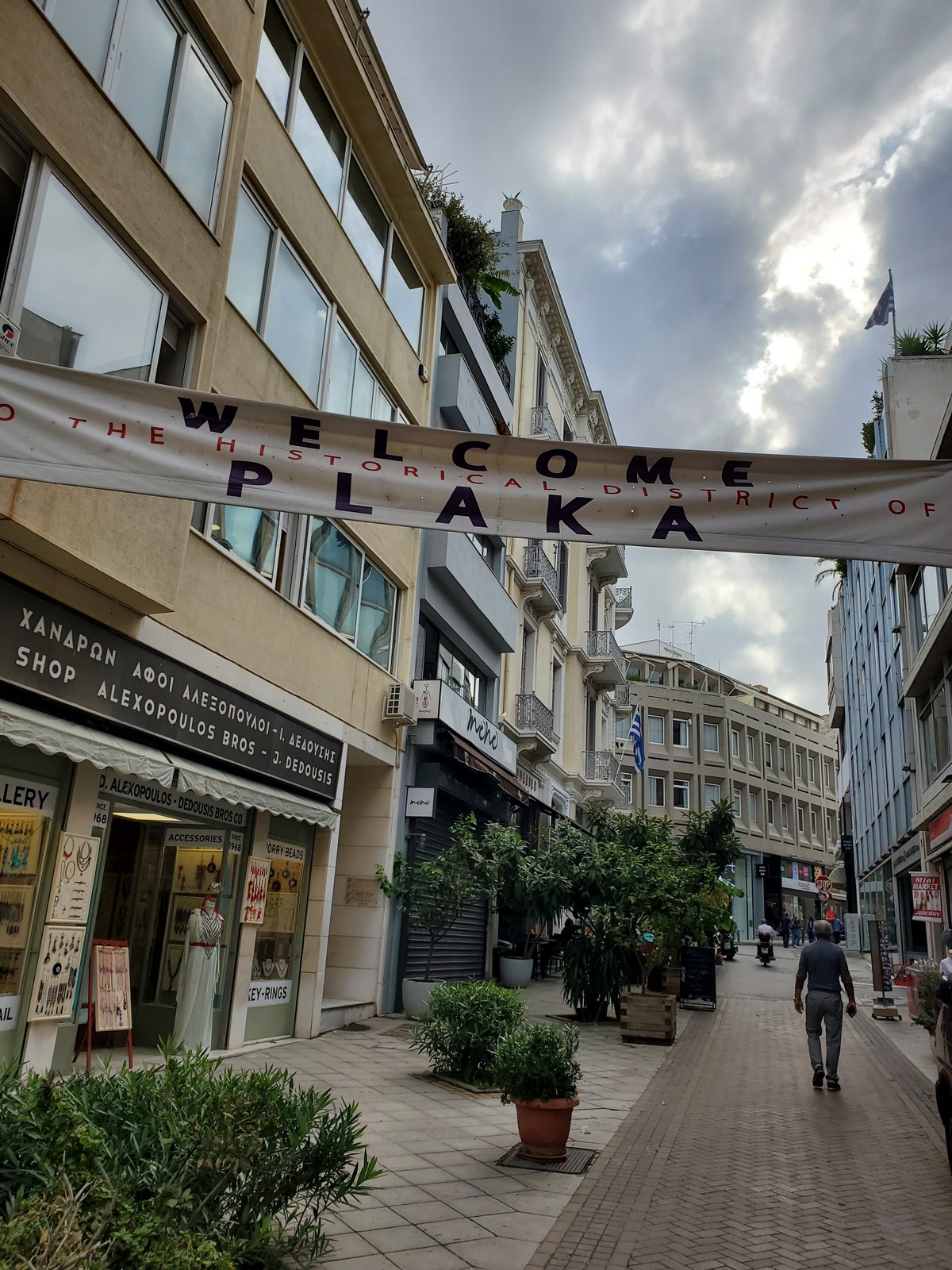
***
Part IV: Hadrian’s Gate
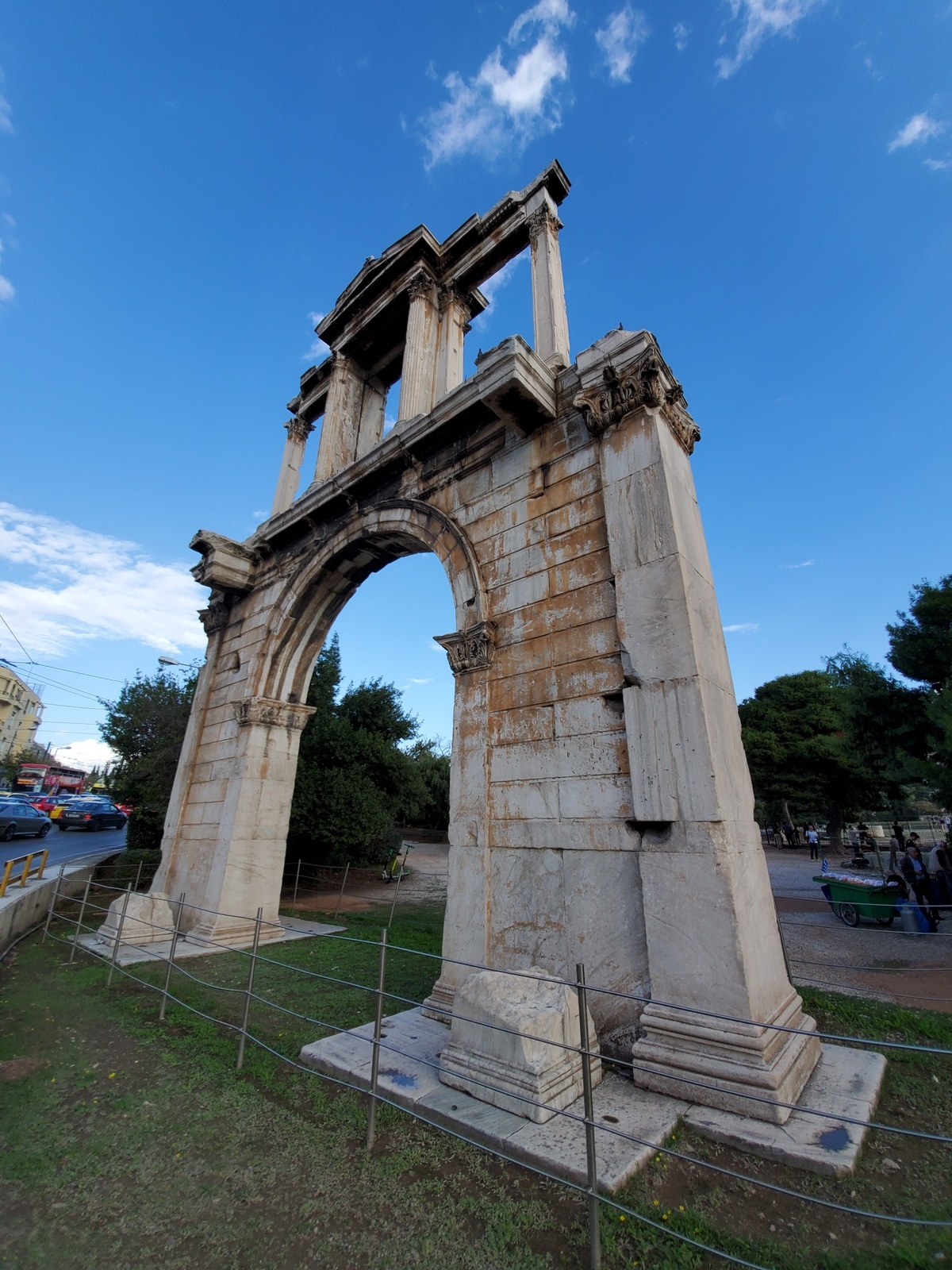
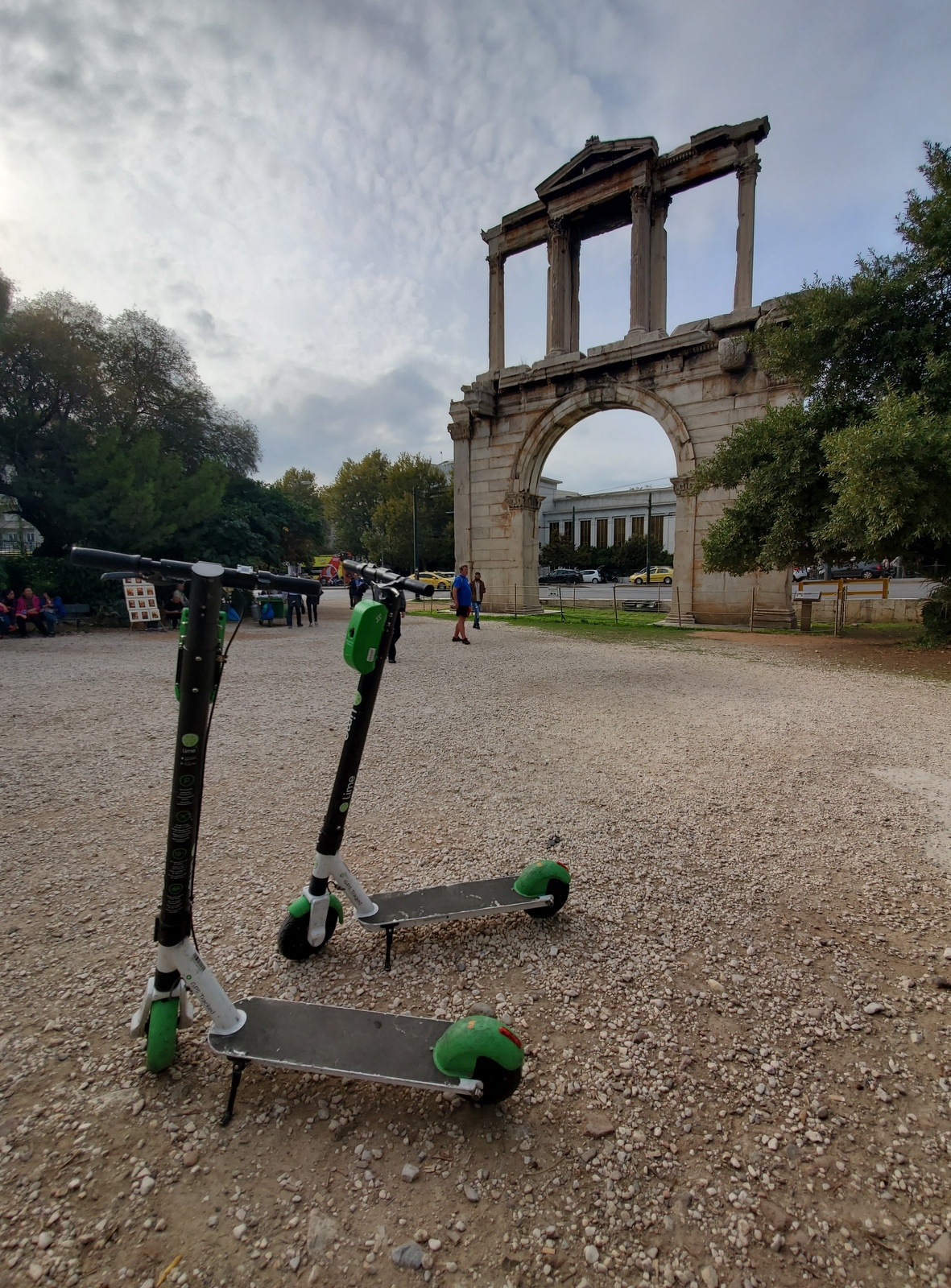
It took something like 800 years to build the Temple of Zeus (and you thought our contractors were bad). After all kinds of issues and muckety muck, the Roman Emperor Hadrian finally got it done (or I guess oversaw it being done… it wasn’t like he was out there carving the marble, ya know?). To commemorate his great leadership, he had an arch installed at one end — sorta a Trump branding exercise in the 2nd century AD.
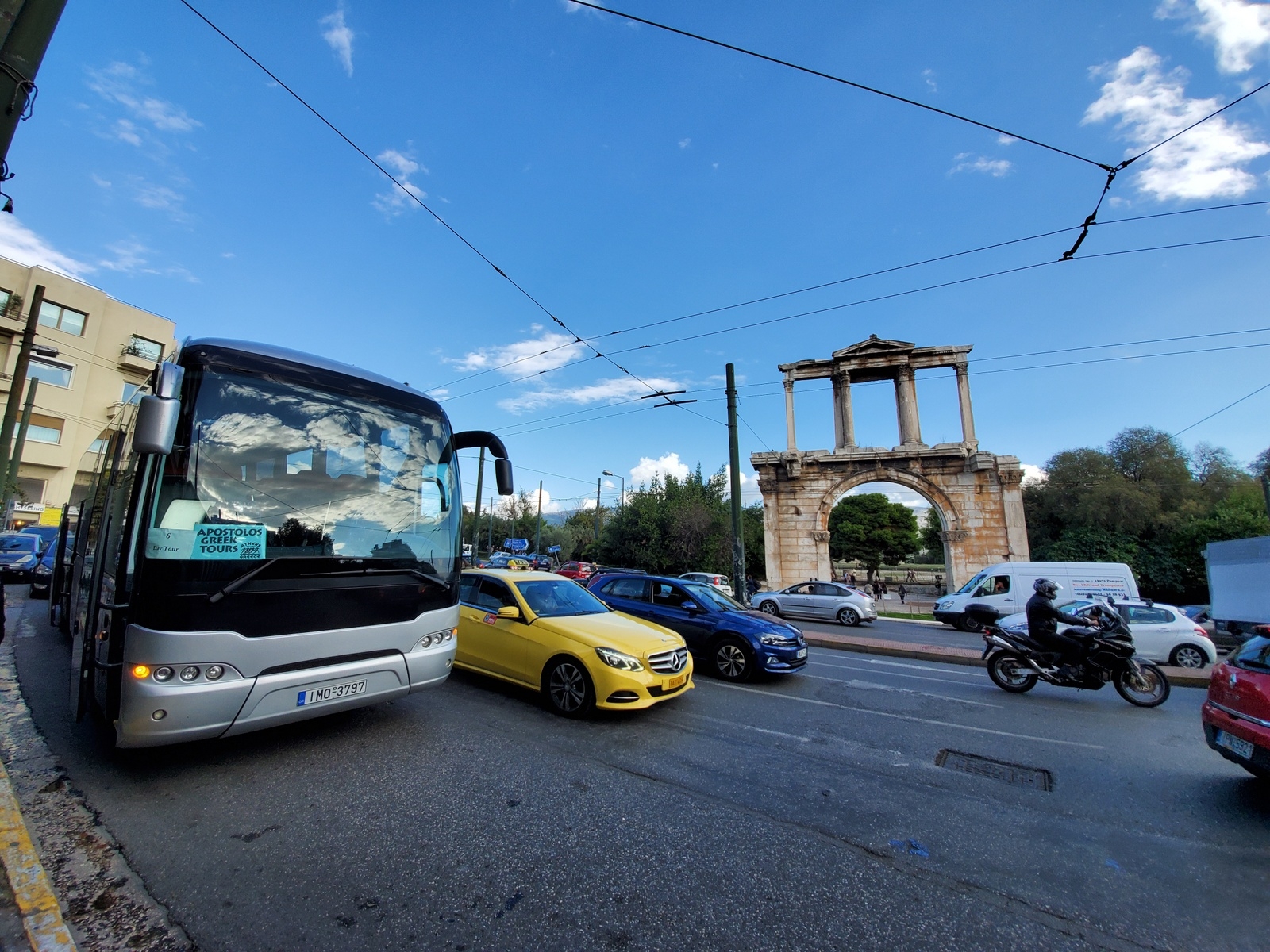
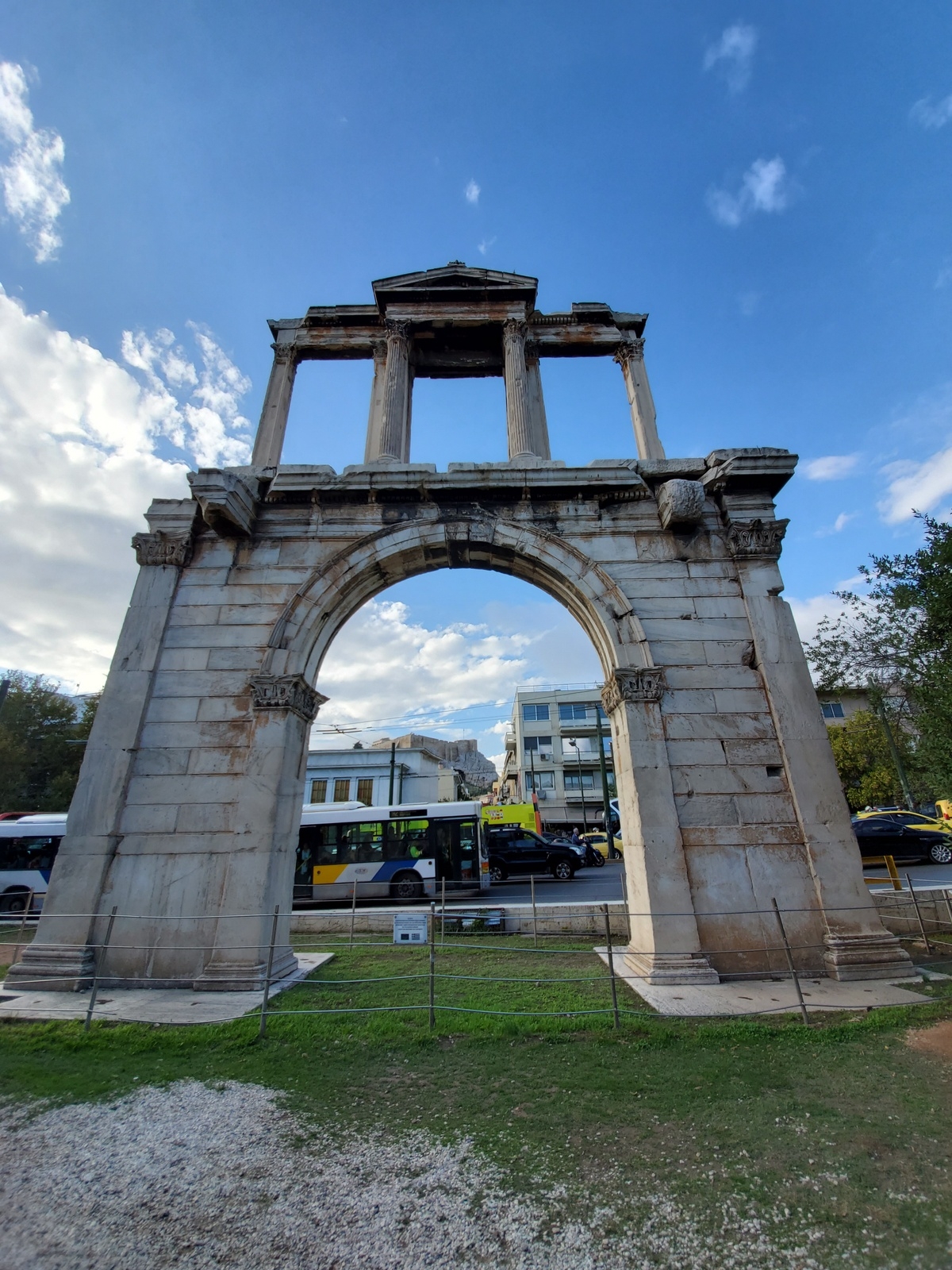
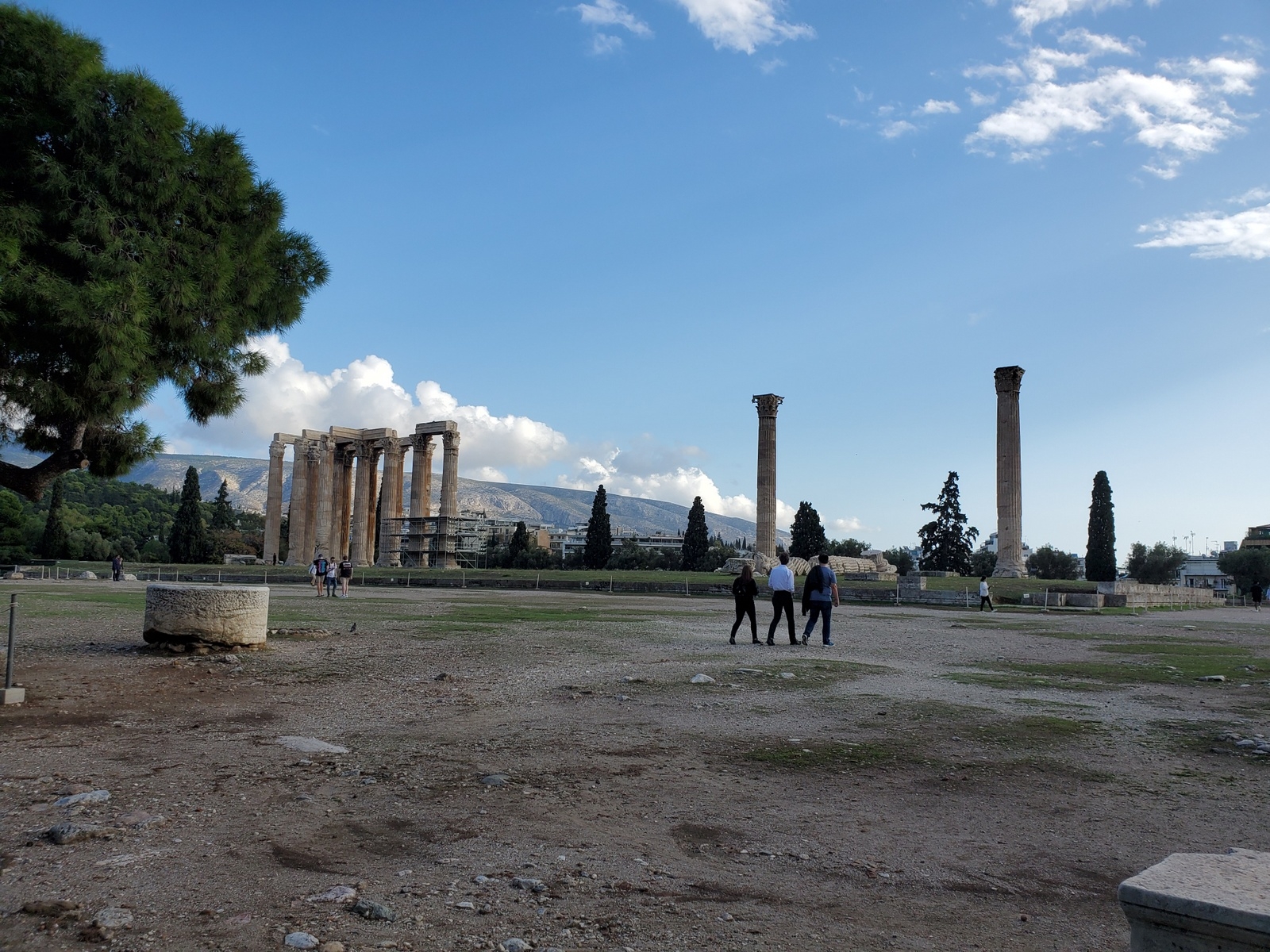
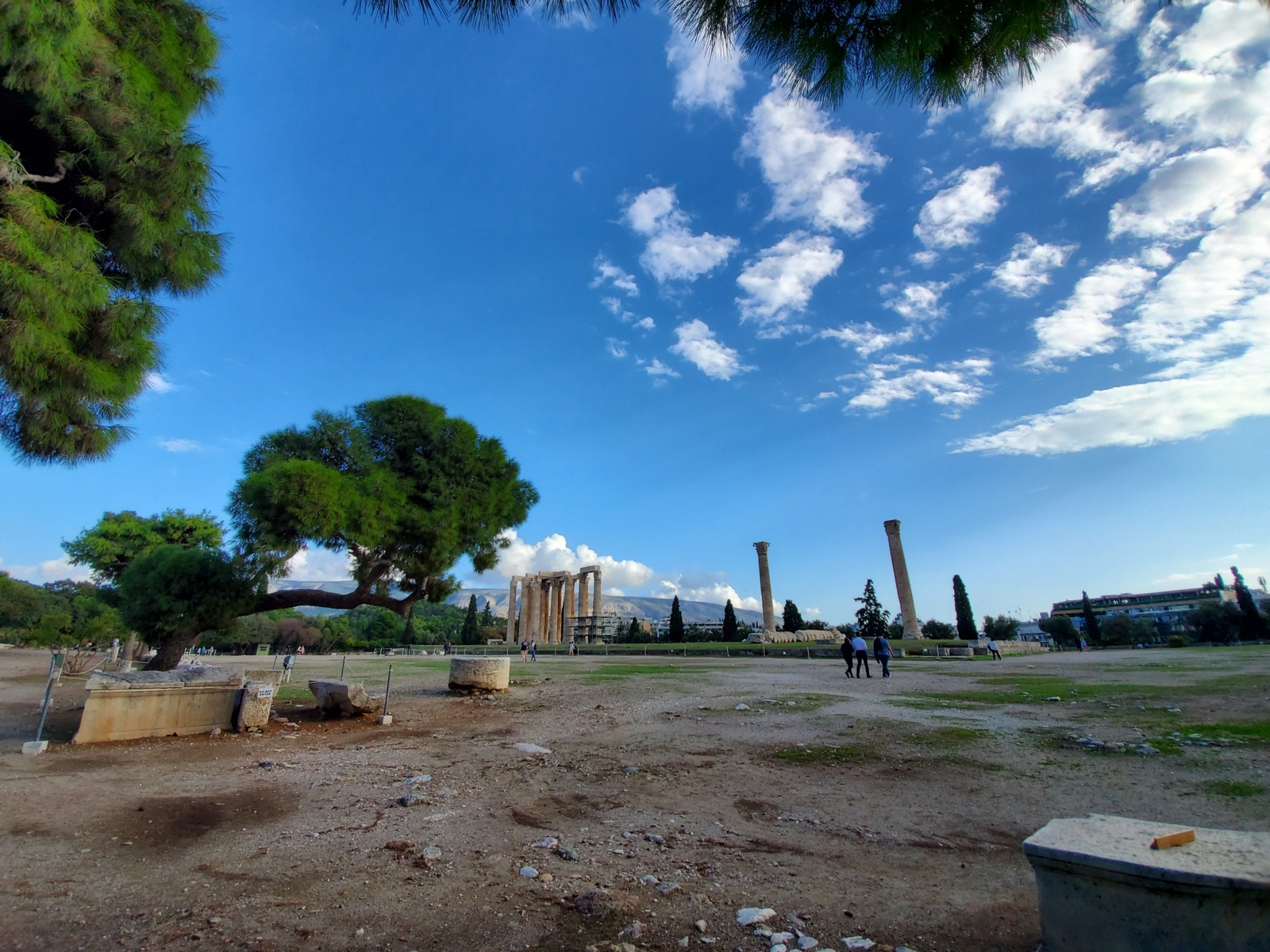
As for the Temple of Olympian Zeus itself, it was a separate fee and I just took a photo of it from afar. Originally it was 104 columns arranged geometrically to honor the King of the Gods. Nowadays, we’re done to 15 columns and one broken one on the side… that one fell over in an earthquake in the 1800s if memory serves.
***
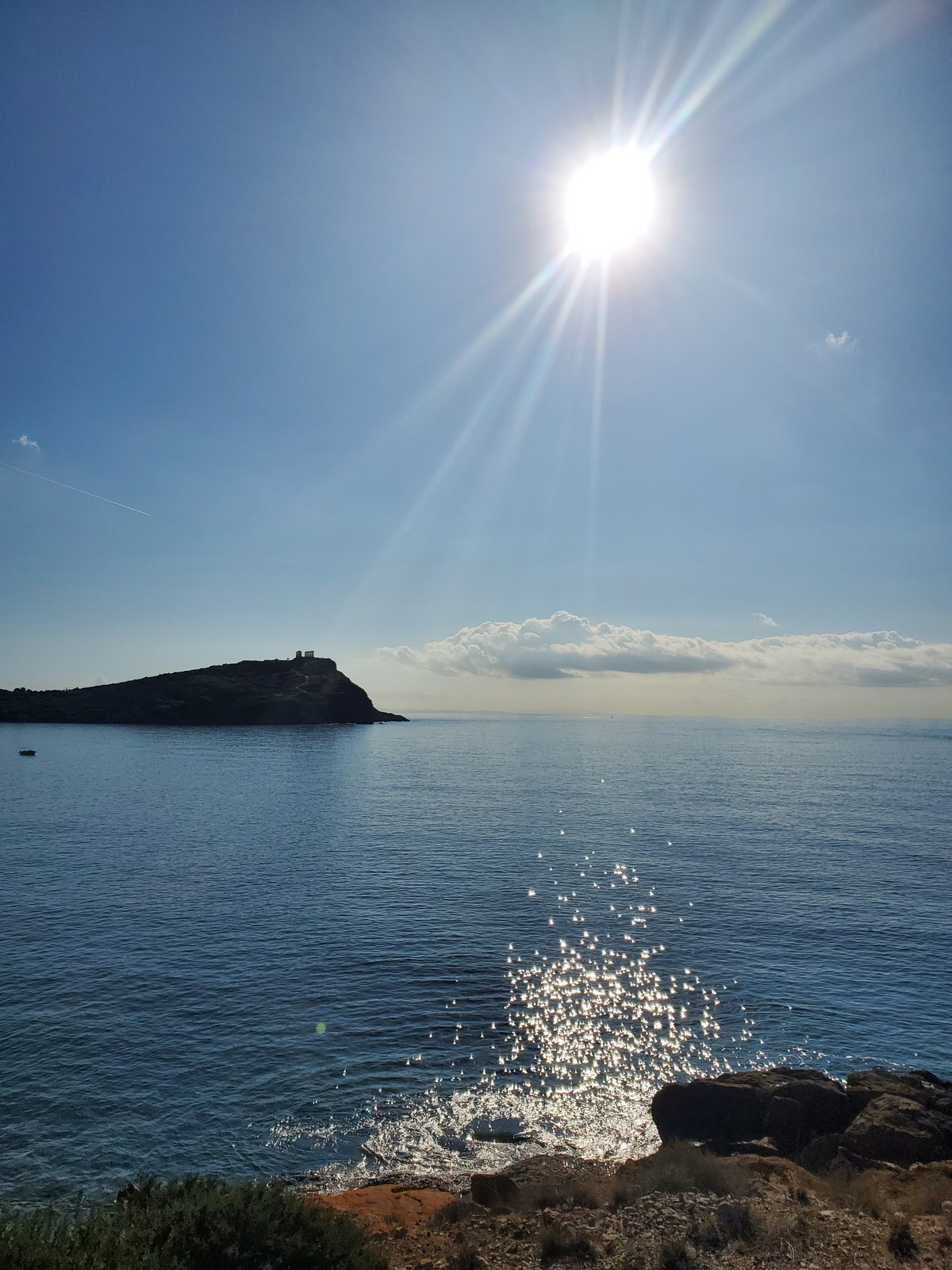
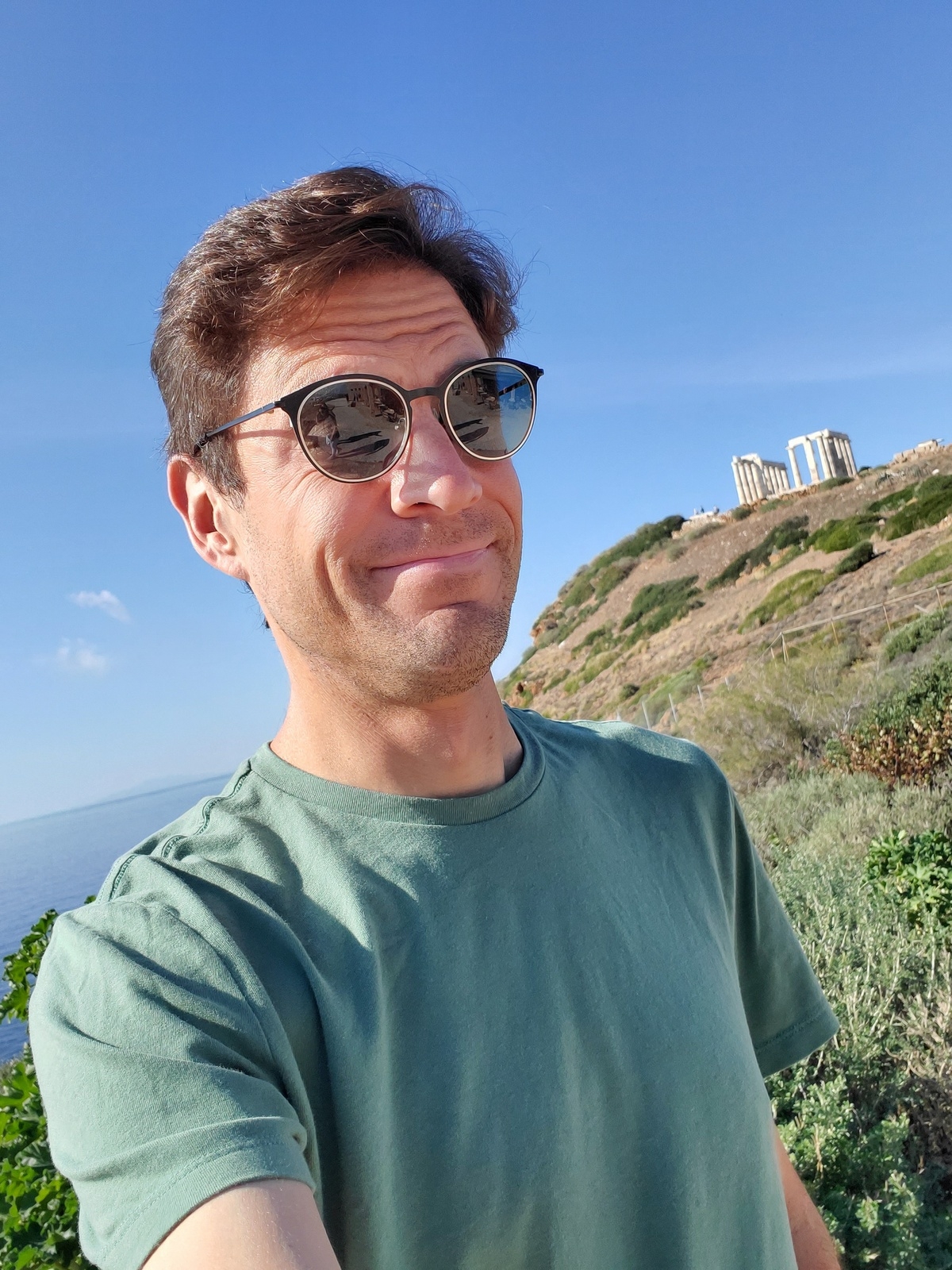
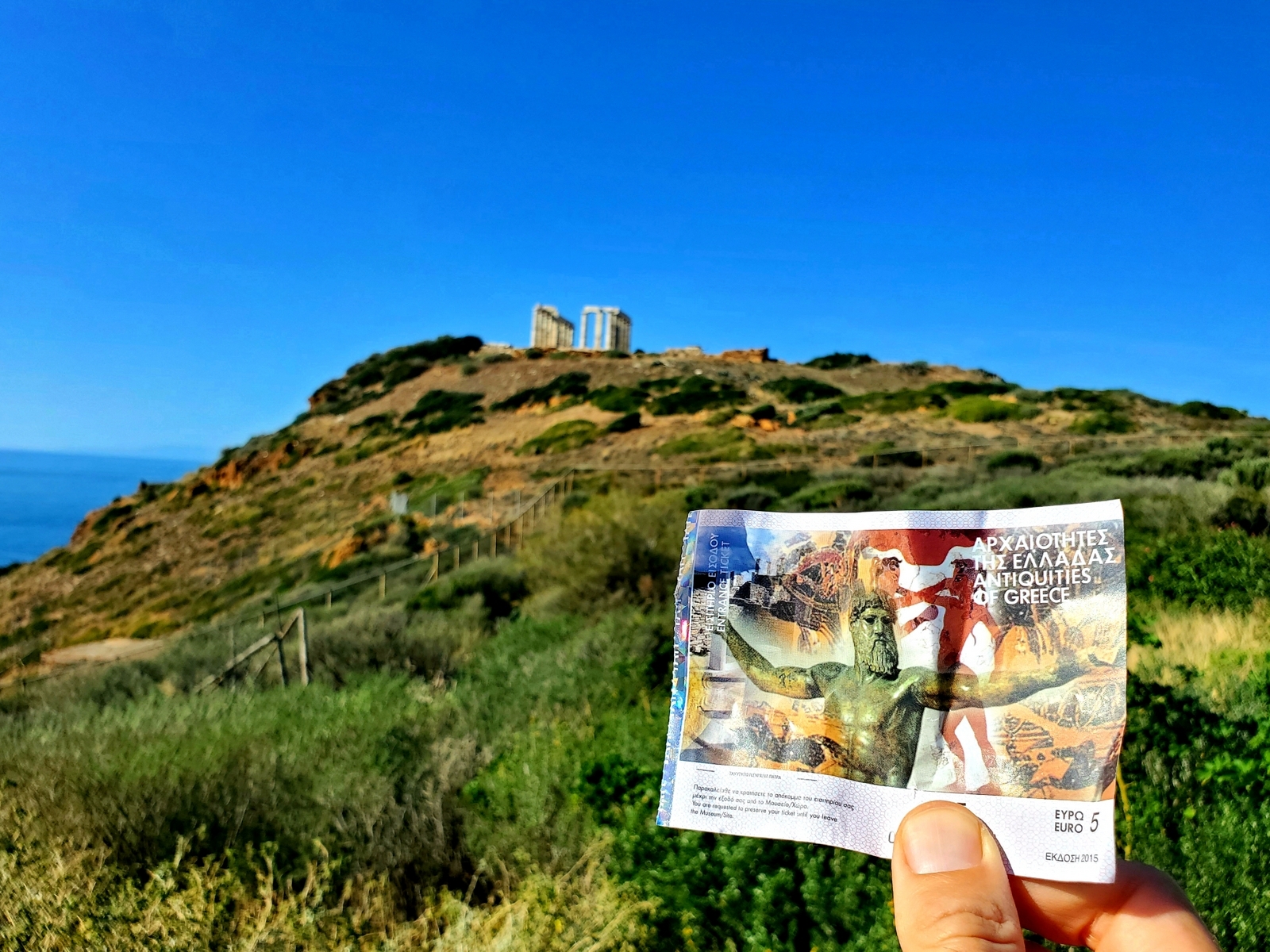
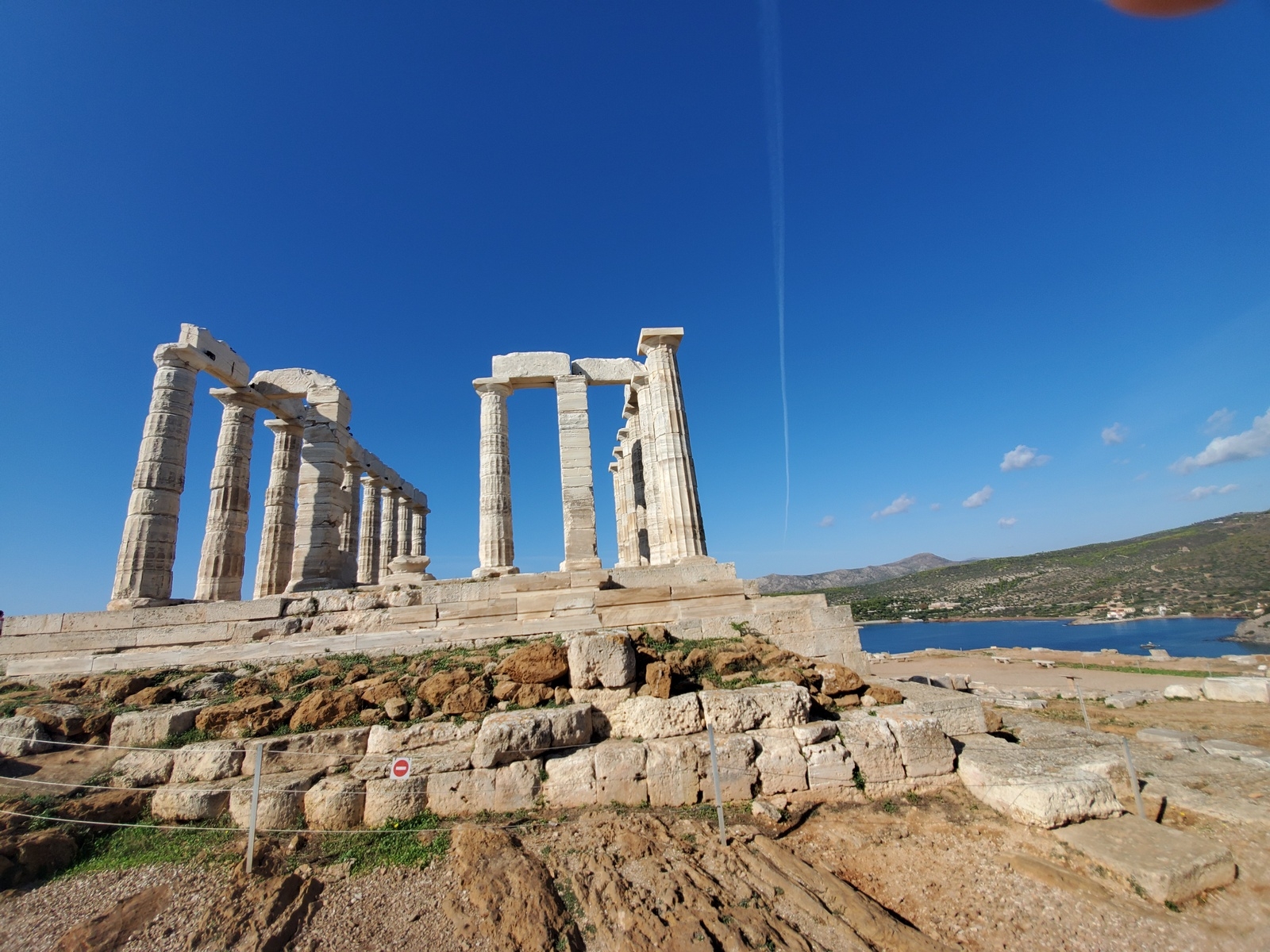
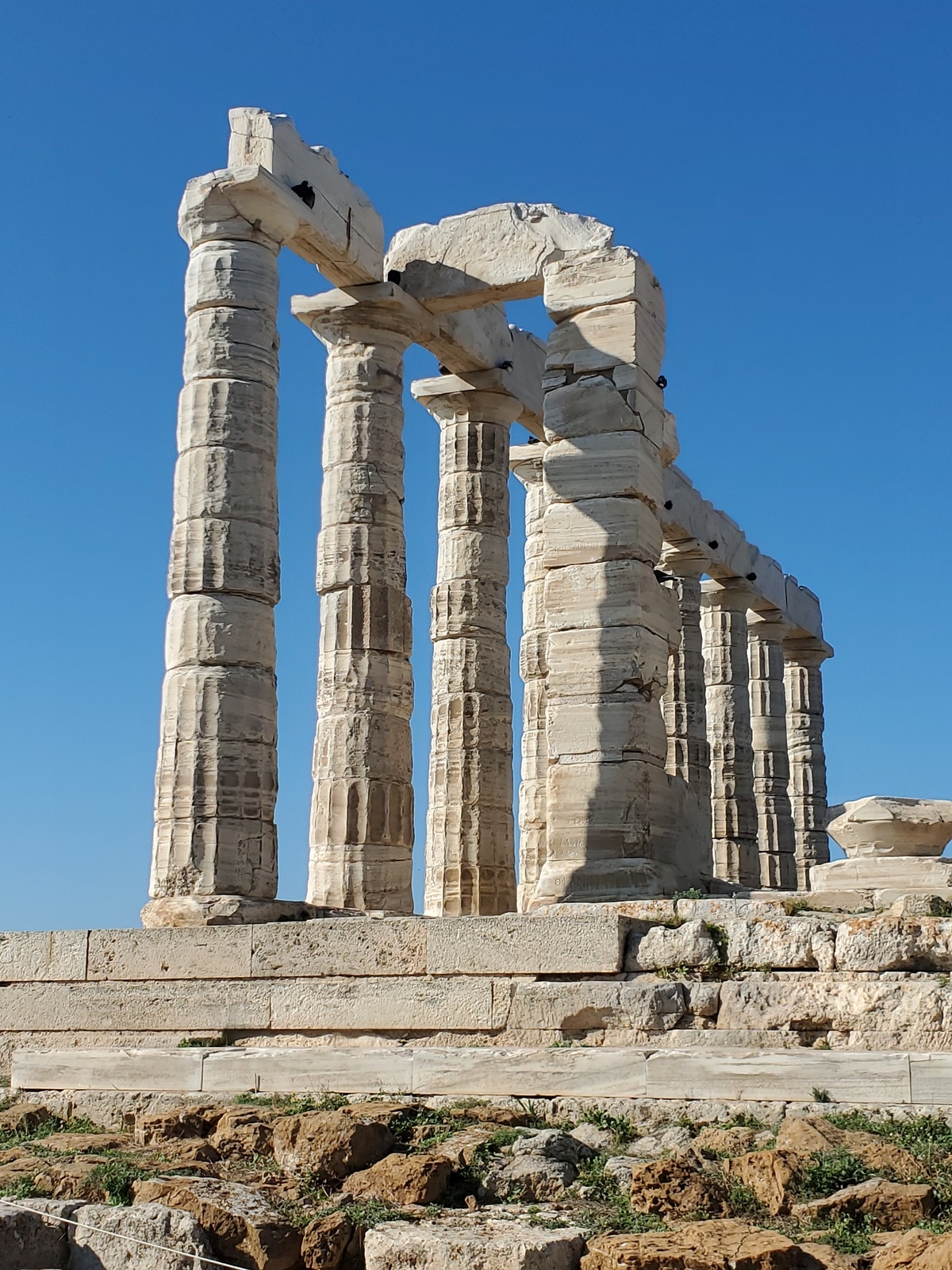
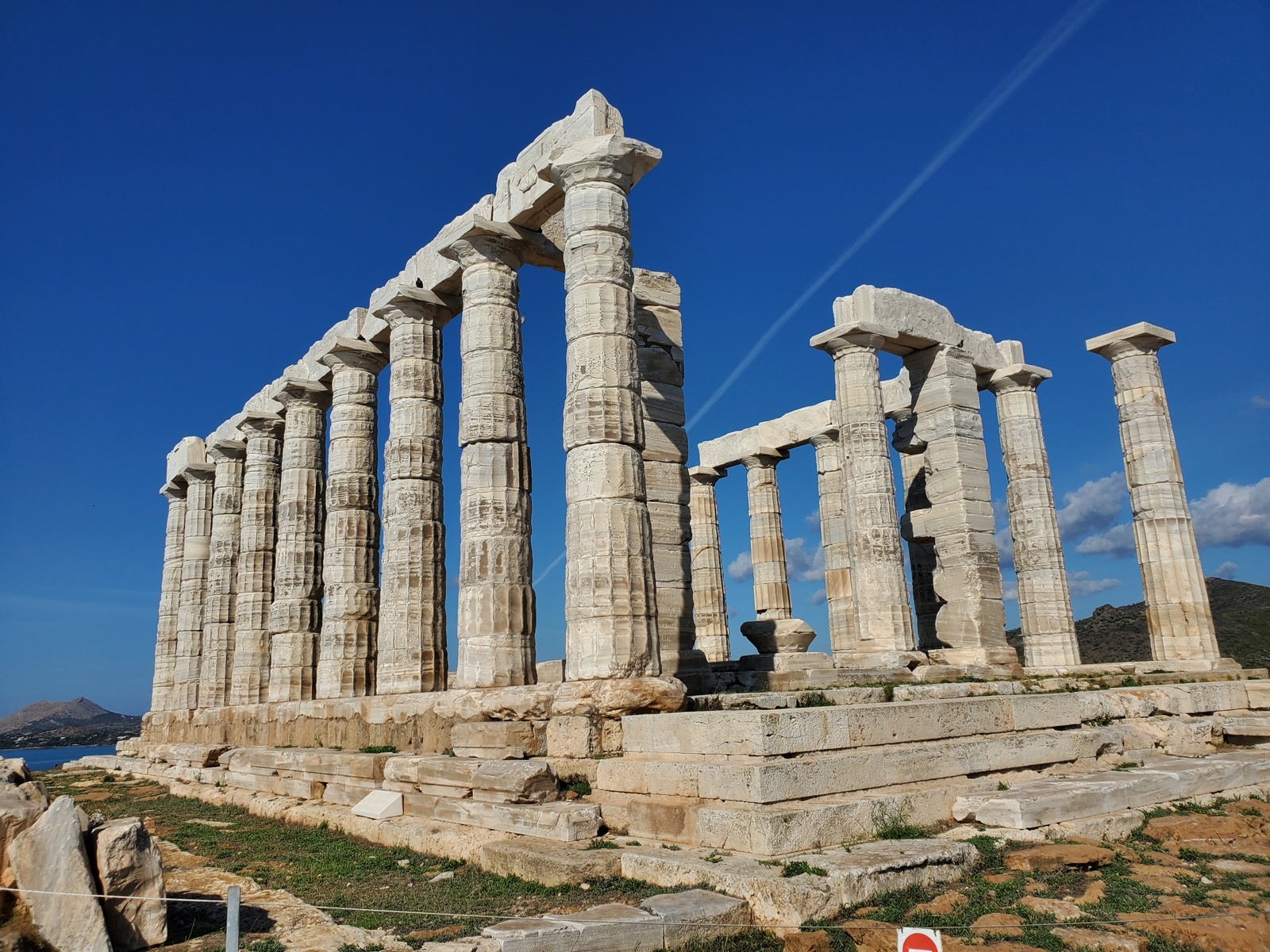
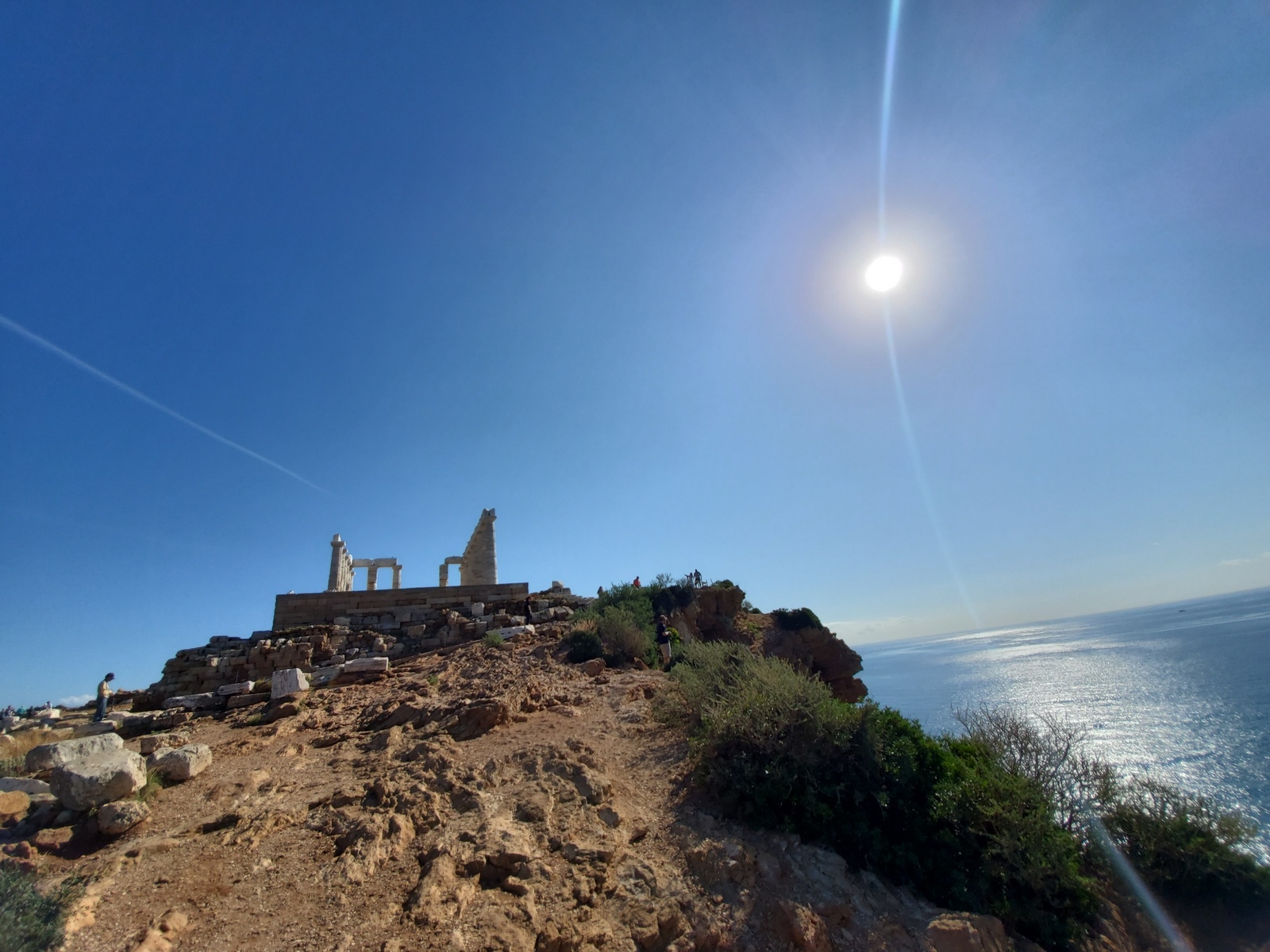
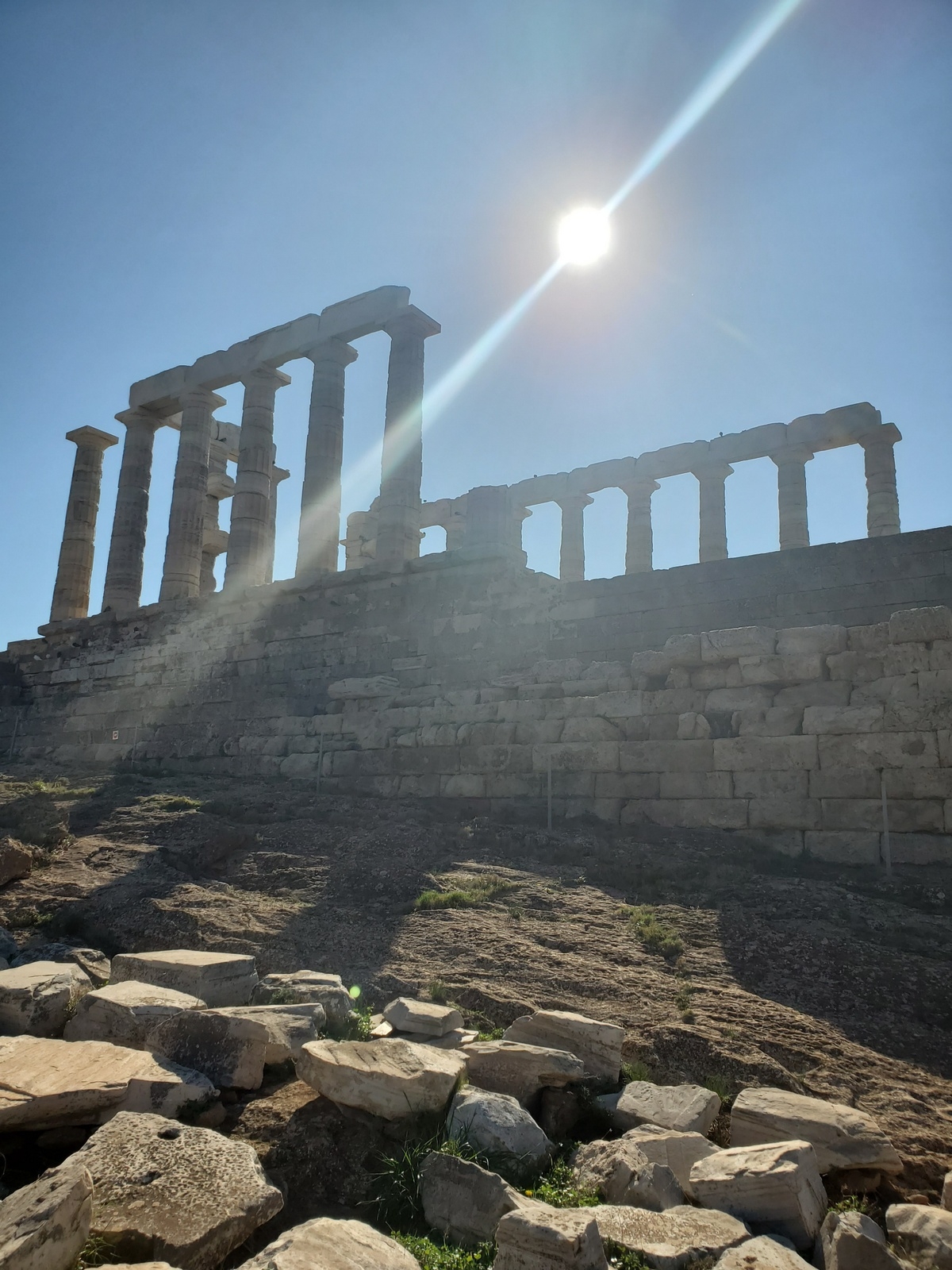
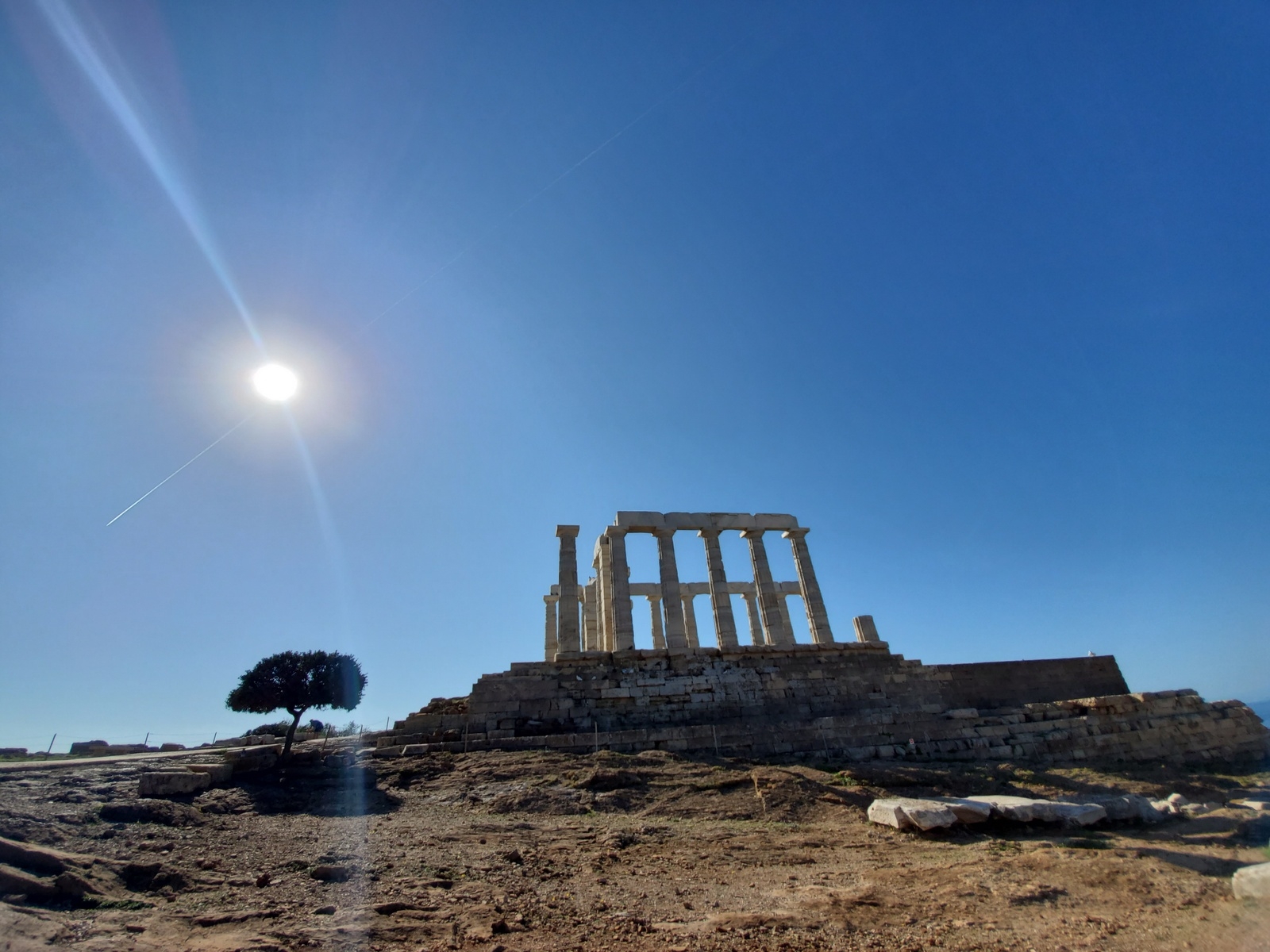
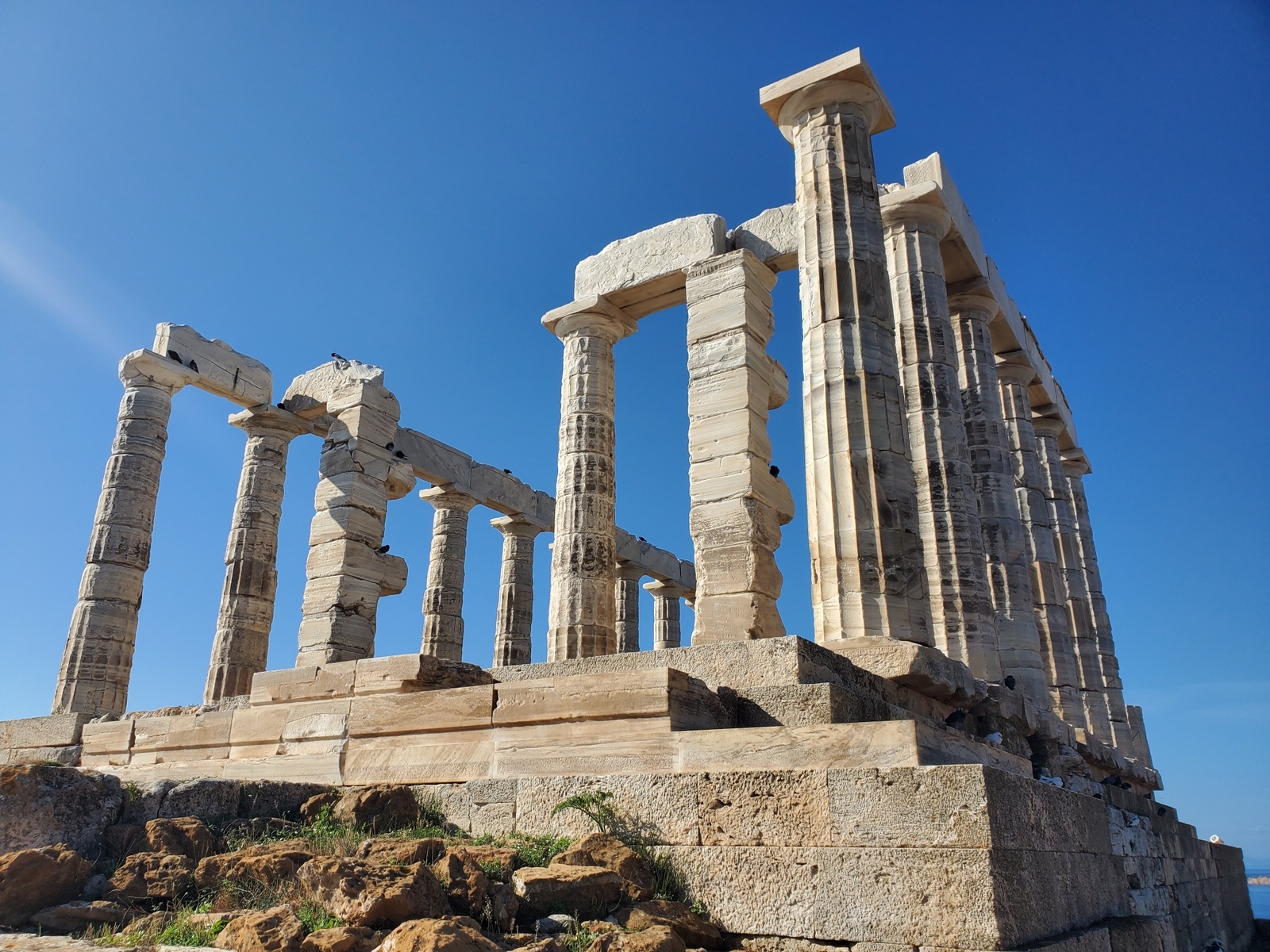
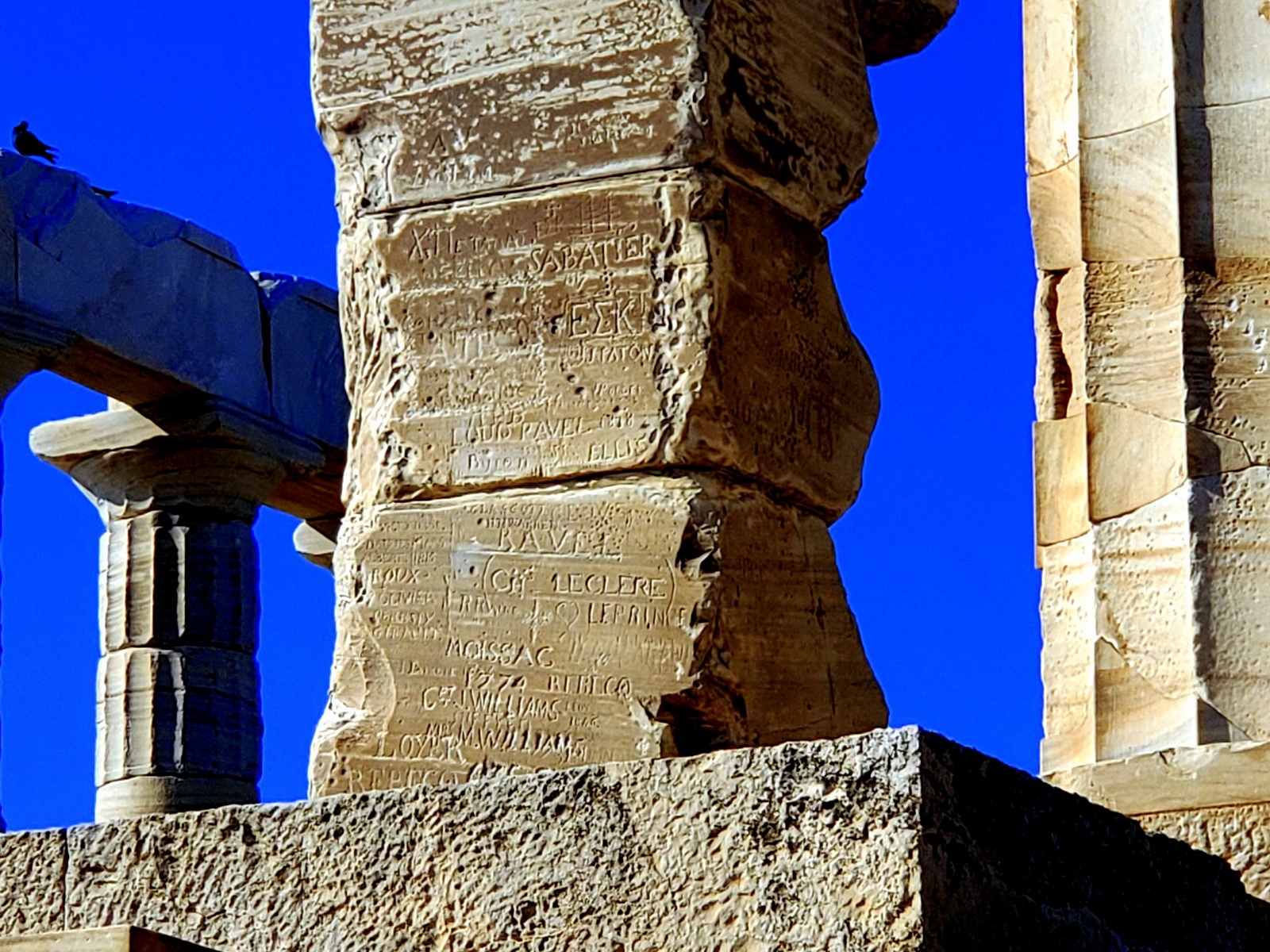
Part V: The Temple of Poseidon at Cape Sounion
This temple to the God of the Sea is right on the Aegean Sea… and here’s how it got that name. Way back when, long before Katniss volunteered to be a tribute at the Hunger Games, Aegeus’s son Theseus volunteered to join the tributes sent to King Minos of Crete as a sacrificial offering to his dreaded Minotaur — Minotaur’s gotta eat and Minos was punshing those who had lost to his warring nation. Anyway, Theseus goes, falls for the girl, who reveals a ball of yarn with knots on it is the breadcrumb solution to Daedalus’s unsolvable labyrinth and the guy and girl head home in victory. But they stop along the way and cross a god or two and get cursed with a bit o’ forgetfulness. For Aegeus only let Theseus go if he promised to come home… and when he did, he should change his flagship’s sails from the black sails to white ones signifying he was A-Okay. But with a cursed memory, Theseus leaves the more slimming black sails a flying and sails into the home harbor here at Cape Sounion… and with a broken heart, King Aegeus flings himself off the cliff into the sea… thus sparking a renaming of the sea to the Aegean Sea.
***
Part VI: The Agora – Or The Athenian Mall of America…
If By “Of America” We Meant “Of Greek and Roman and Then Greek Times Again!”
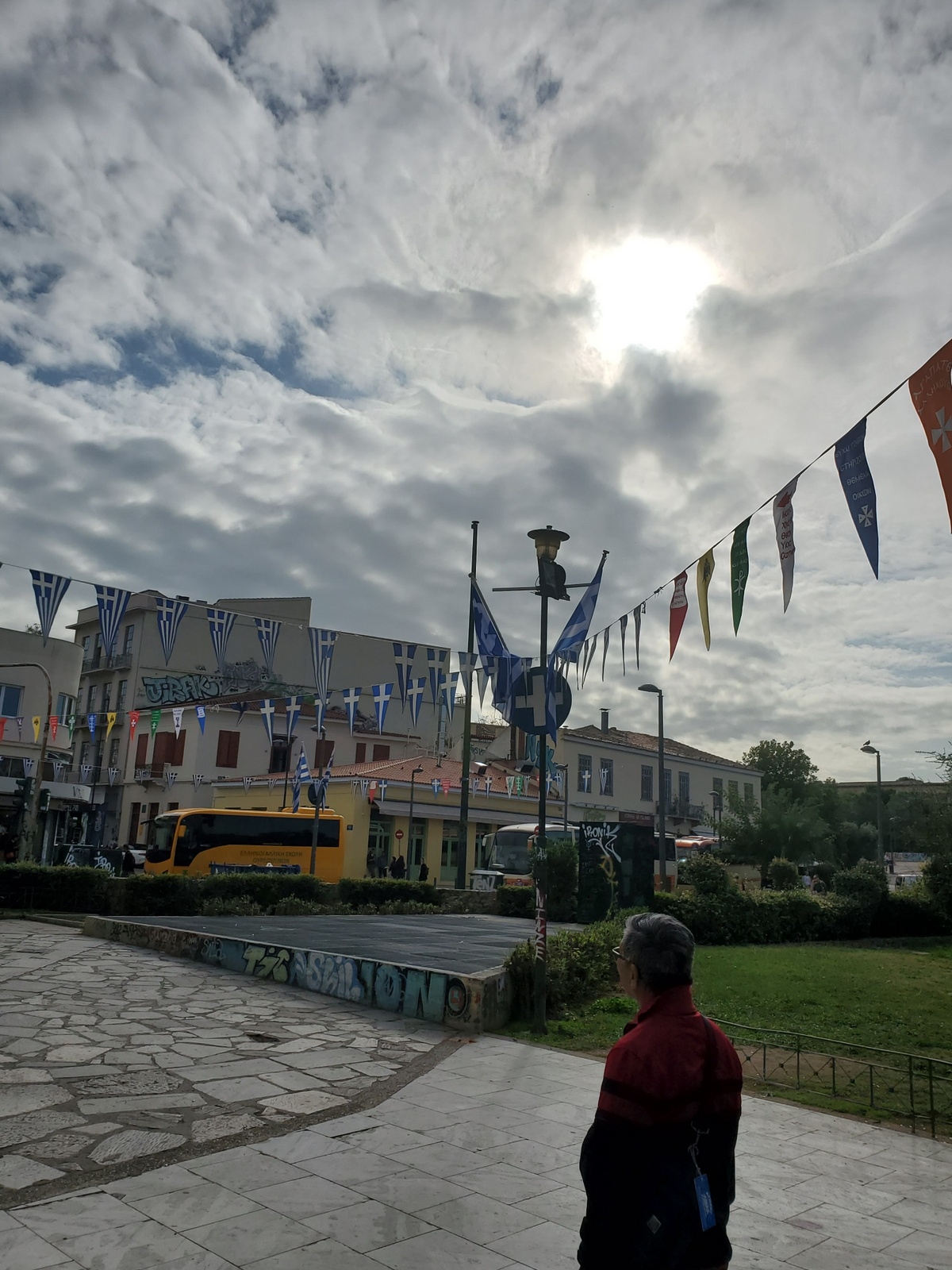
The marketplace center. These are the streets Socrates roamed. Despite being apparently the ugliest Athenian of all time (his features weren’t symmetrical… so basically, he was normal and everybody was body shaming him for not being Gerard Butler in 300), Socrates was witty, smart, and a much sought after party guest. So much so that the party was ONLY considered a success if Socrates made an appearance. So… he’s like Fonzie and Beyoncé in one.
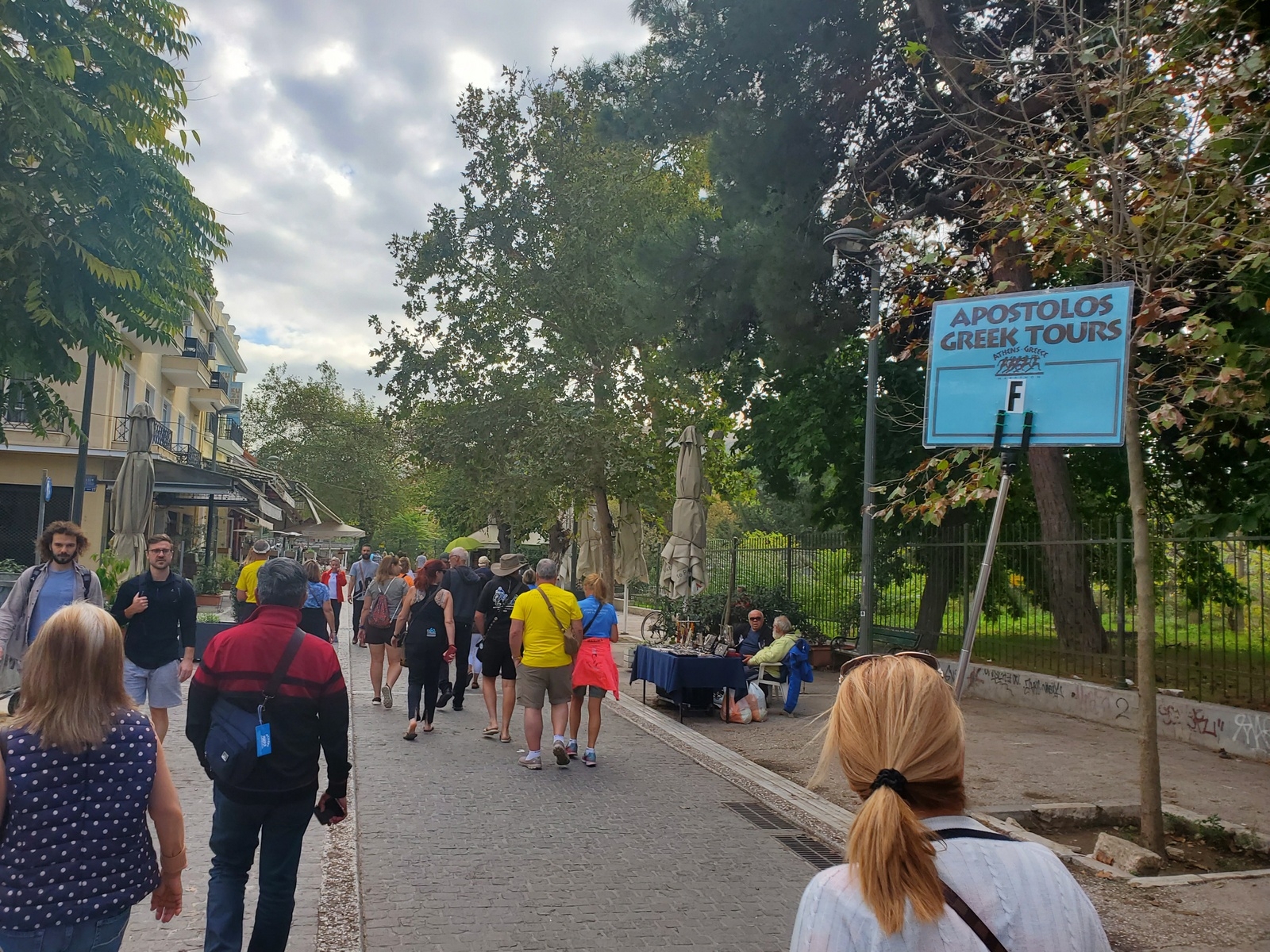
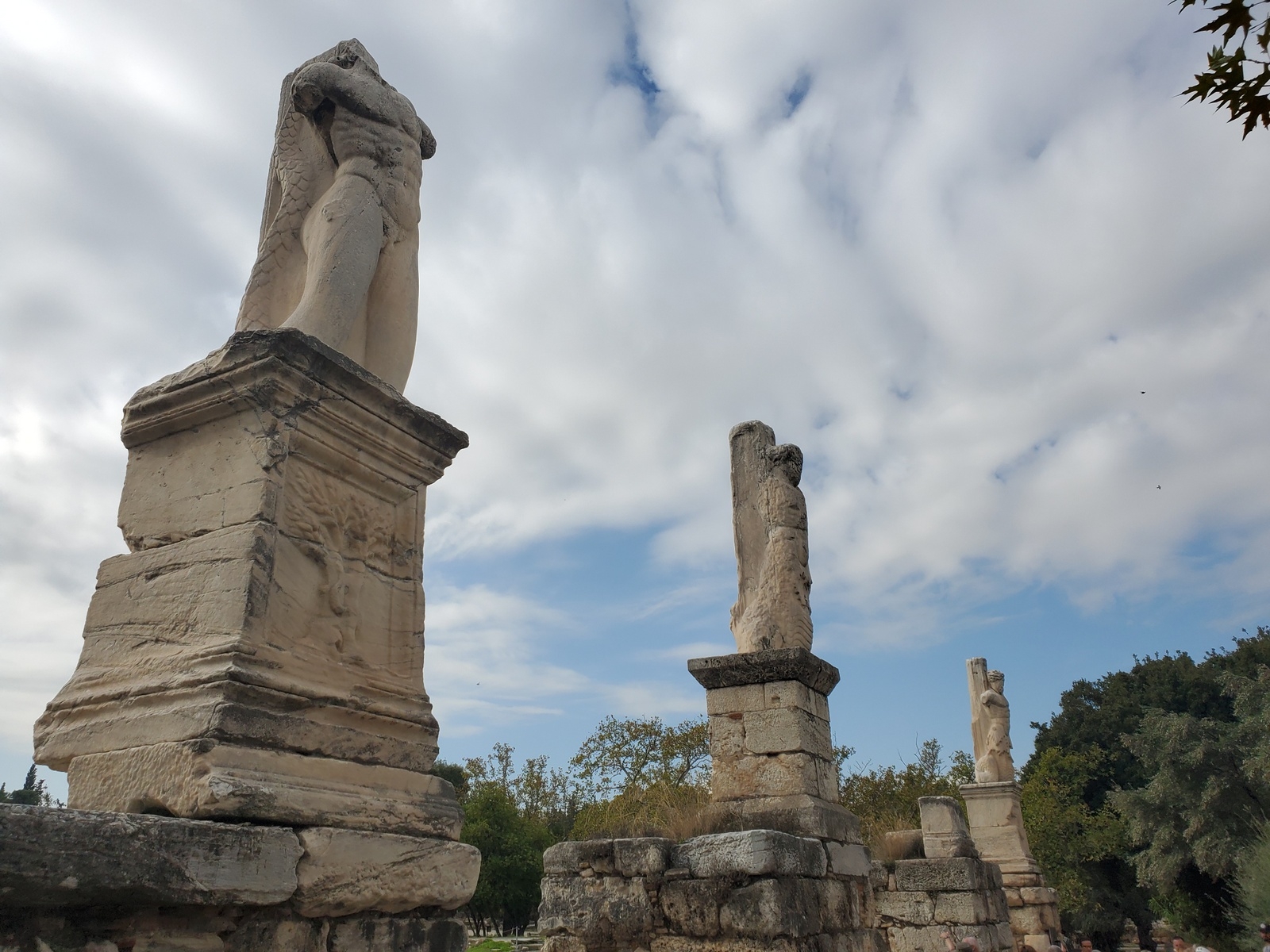
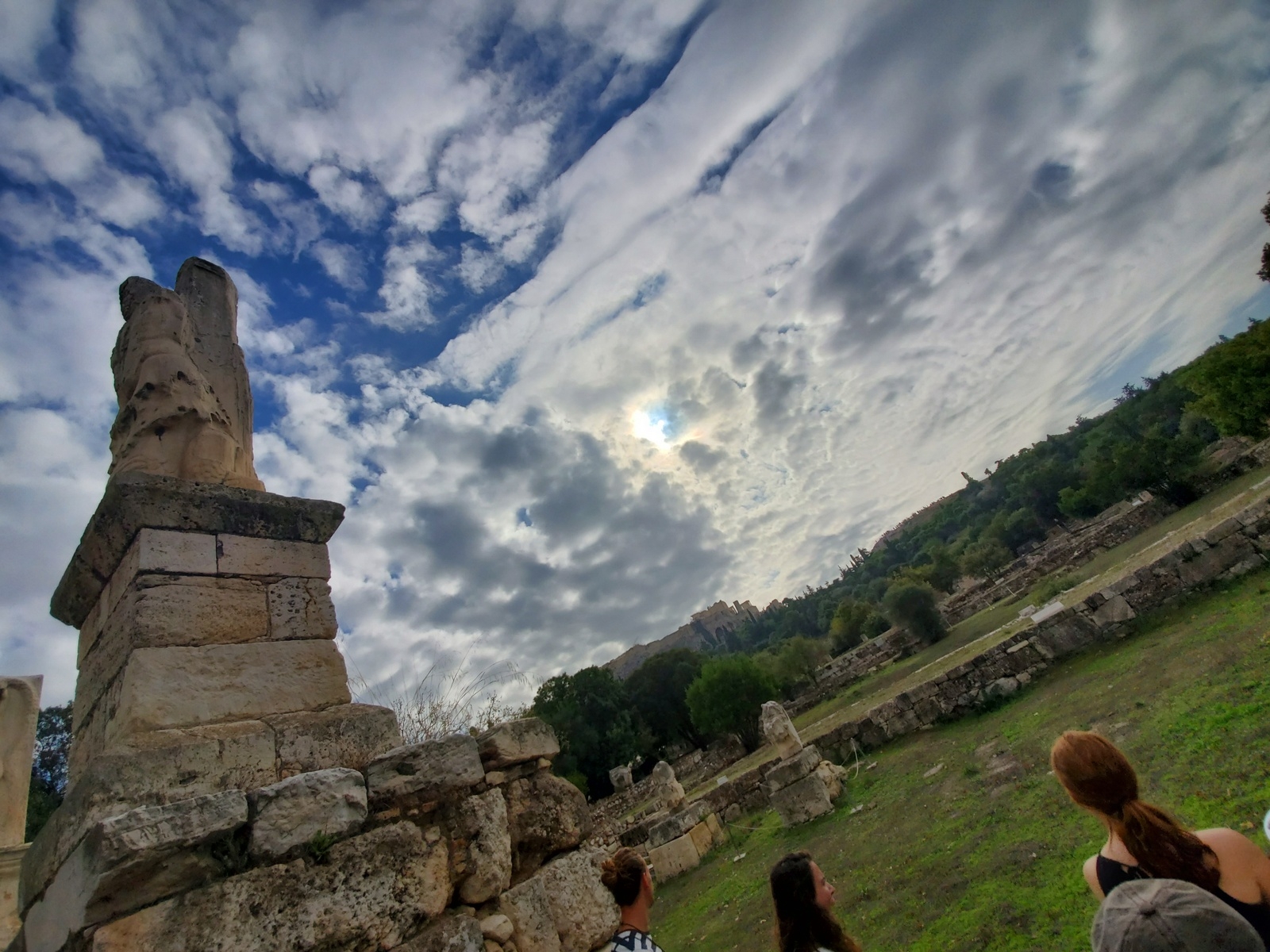
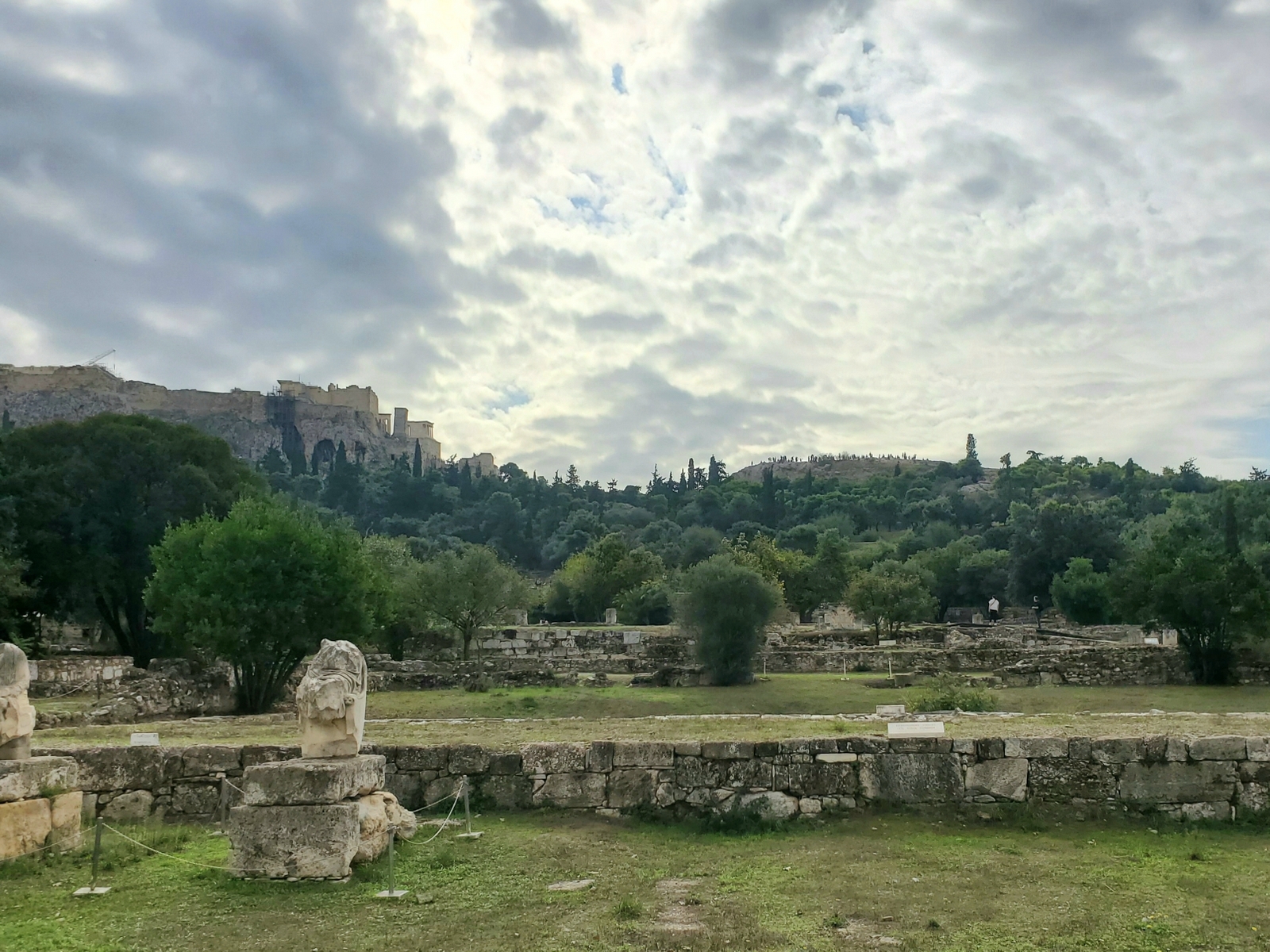
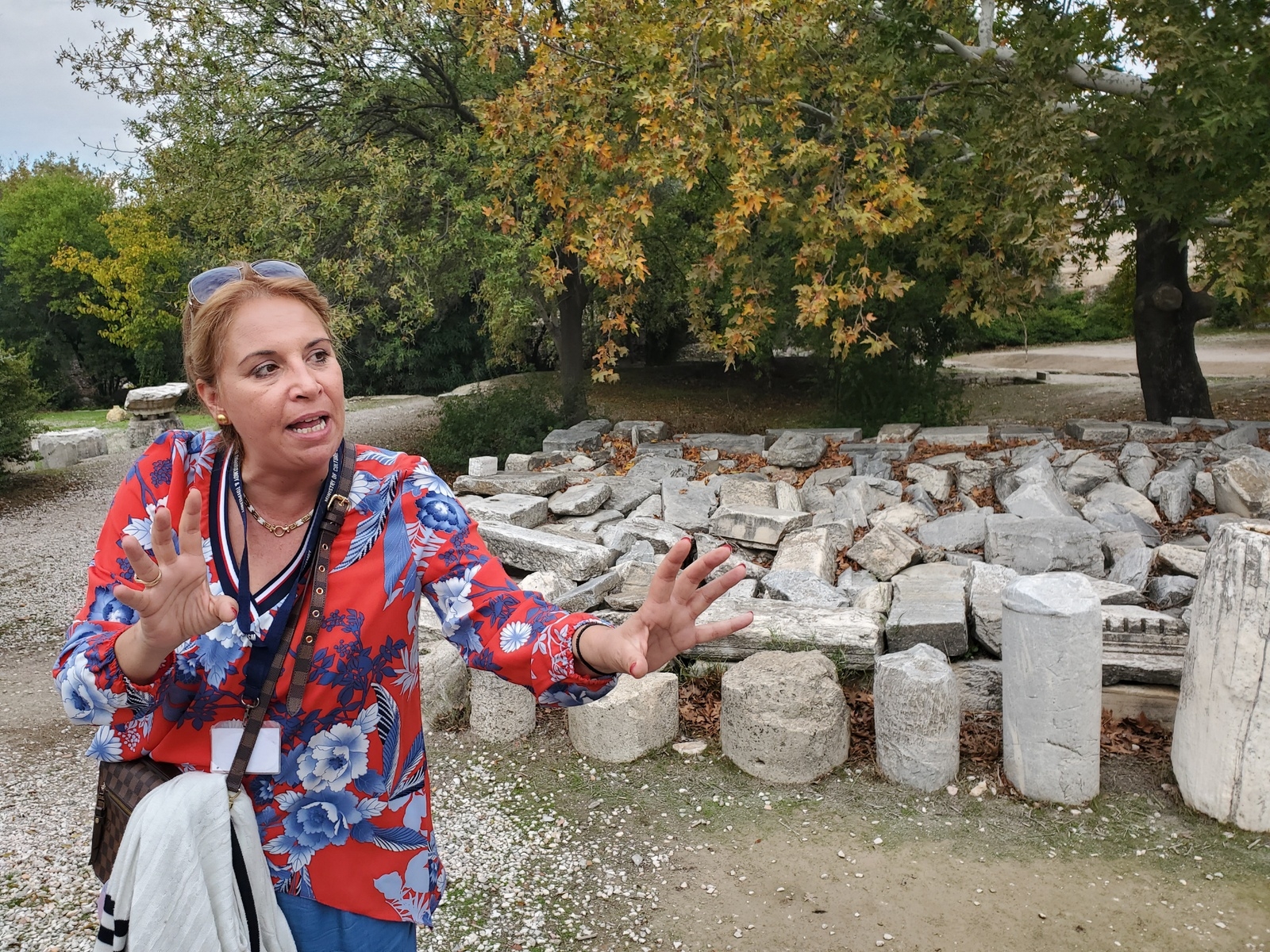
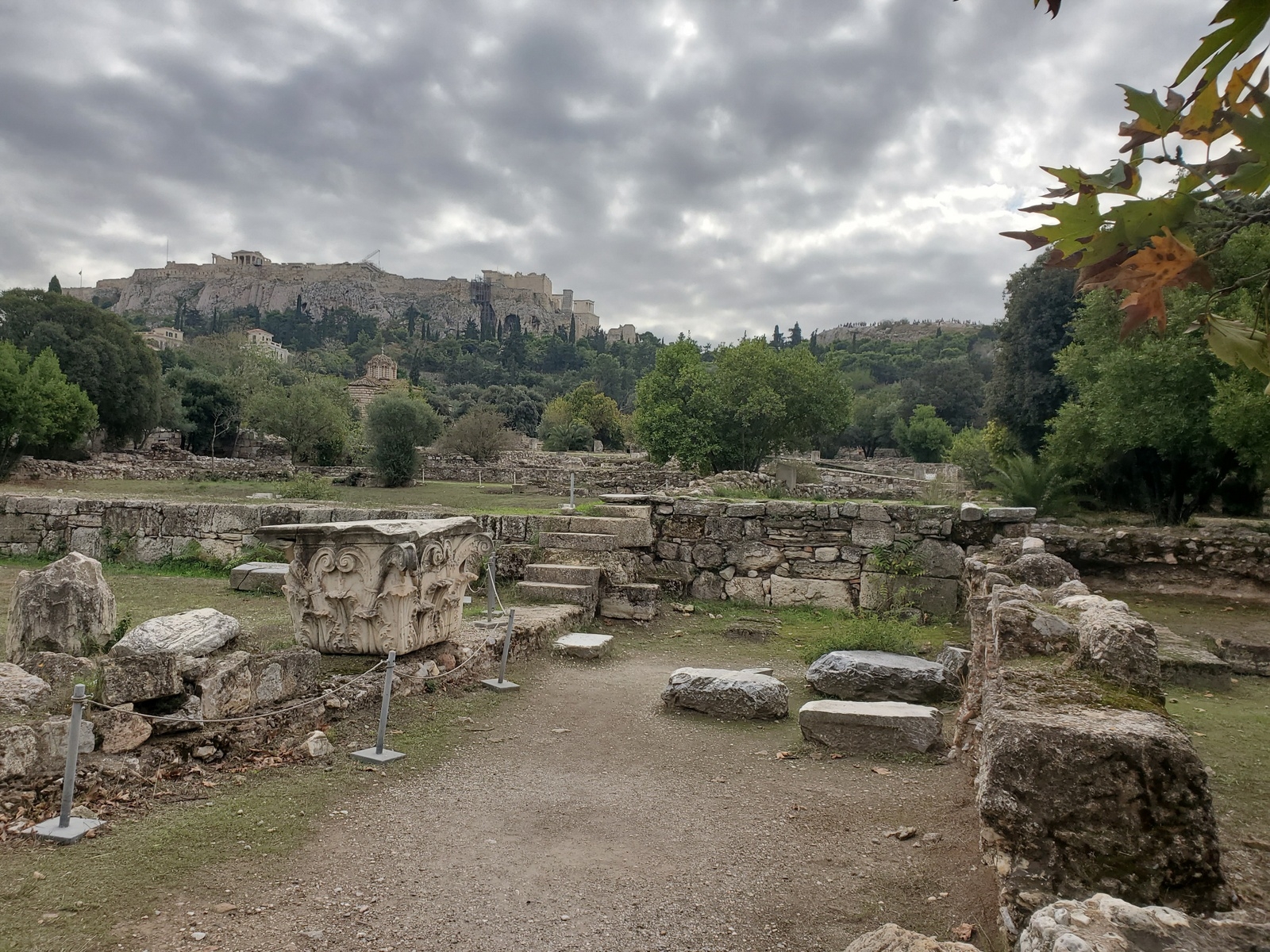
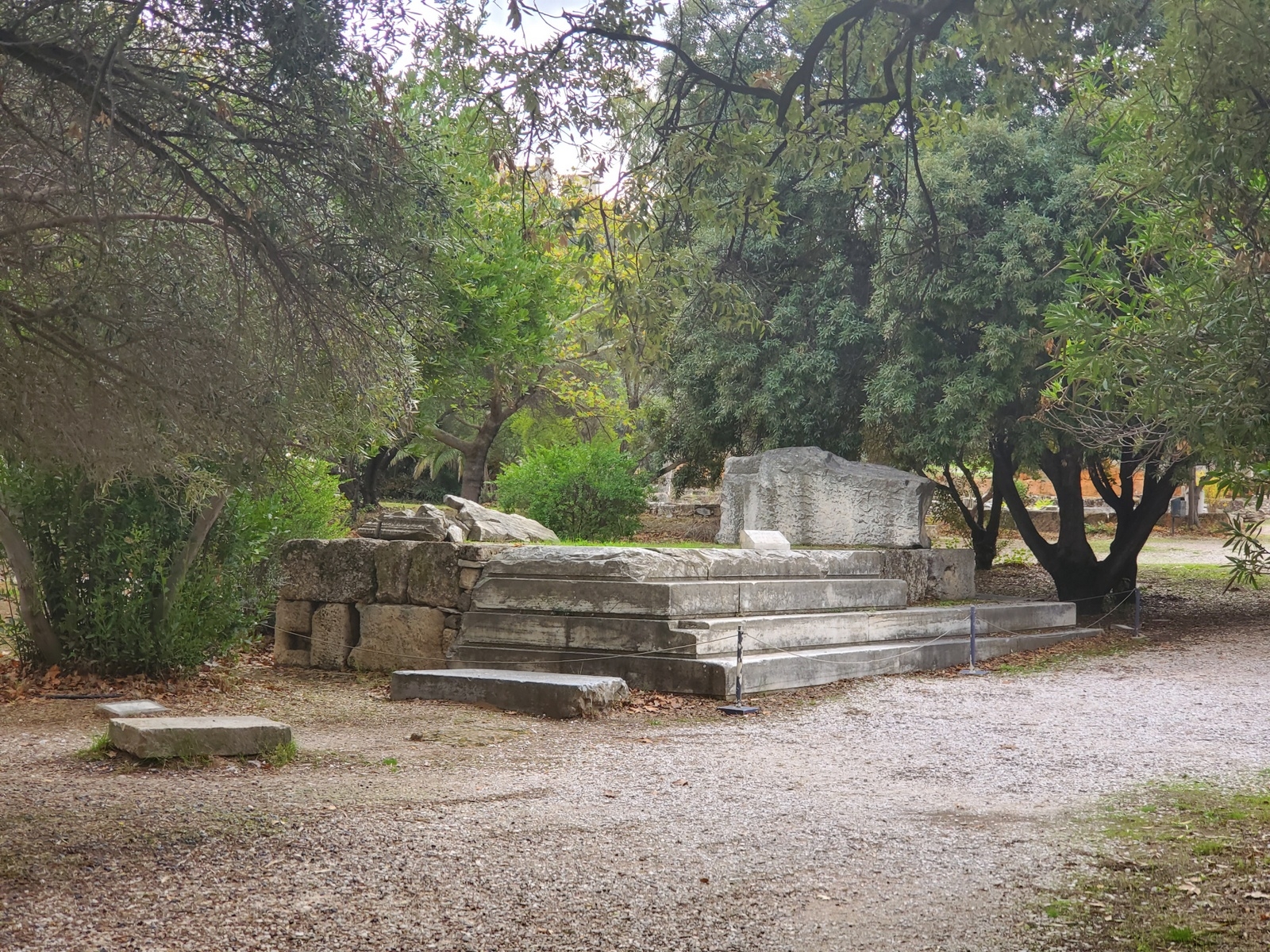
Below: the place where a sacrificial animal was slaughtered every day to bring good luck and fortune to the day’s trading. The blood of that sacrifice was then dipped in string and used as guide rails for the walkway to the voting stones a bit farther afield. The reason being, that only those PURE Athenian Citizens (read: white men) who hadn’t committed a crime… who didn’t have blood on their hands… and then who literally didn’t have blood on them could vote. So if people knew a rabble rouser’s vote was going to be counter to what a group wanted, these voters could bribe the guards to flick the rope lines at certain people, marking them with blood, and thus knocking them out of voting for the day.
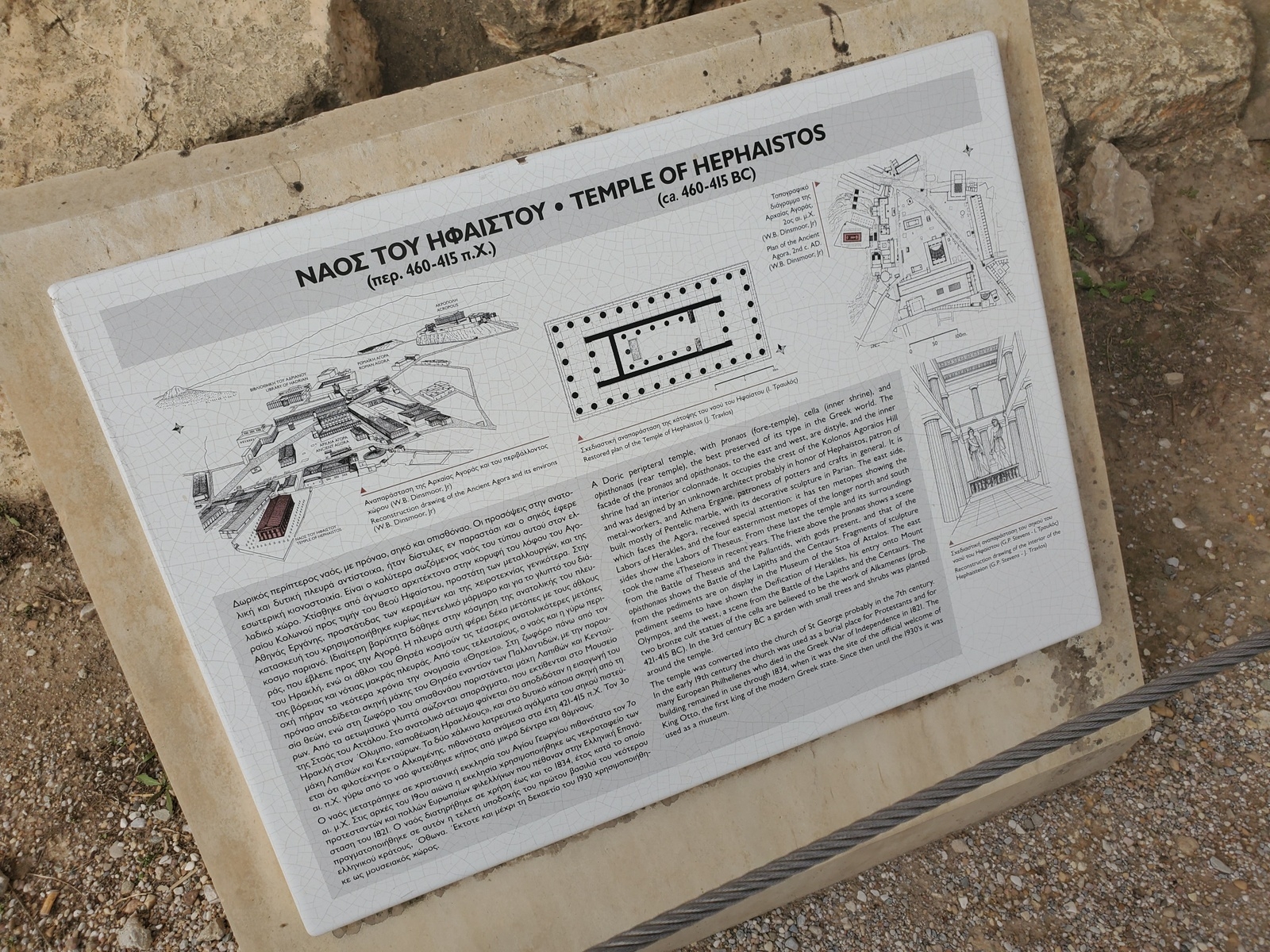
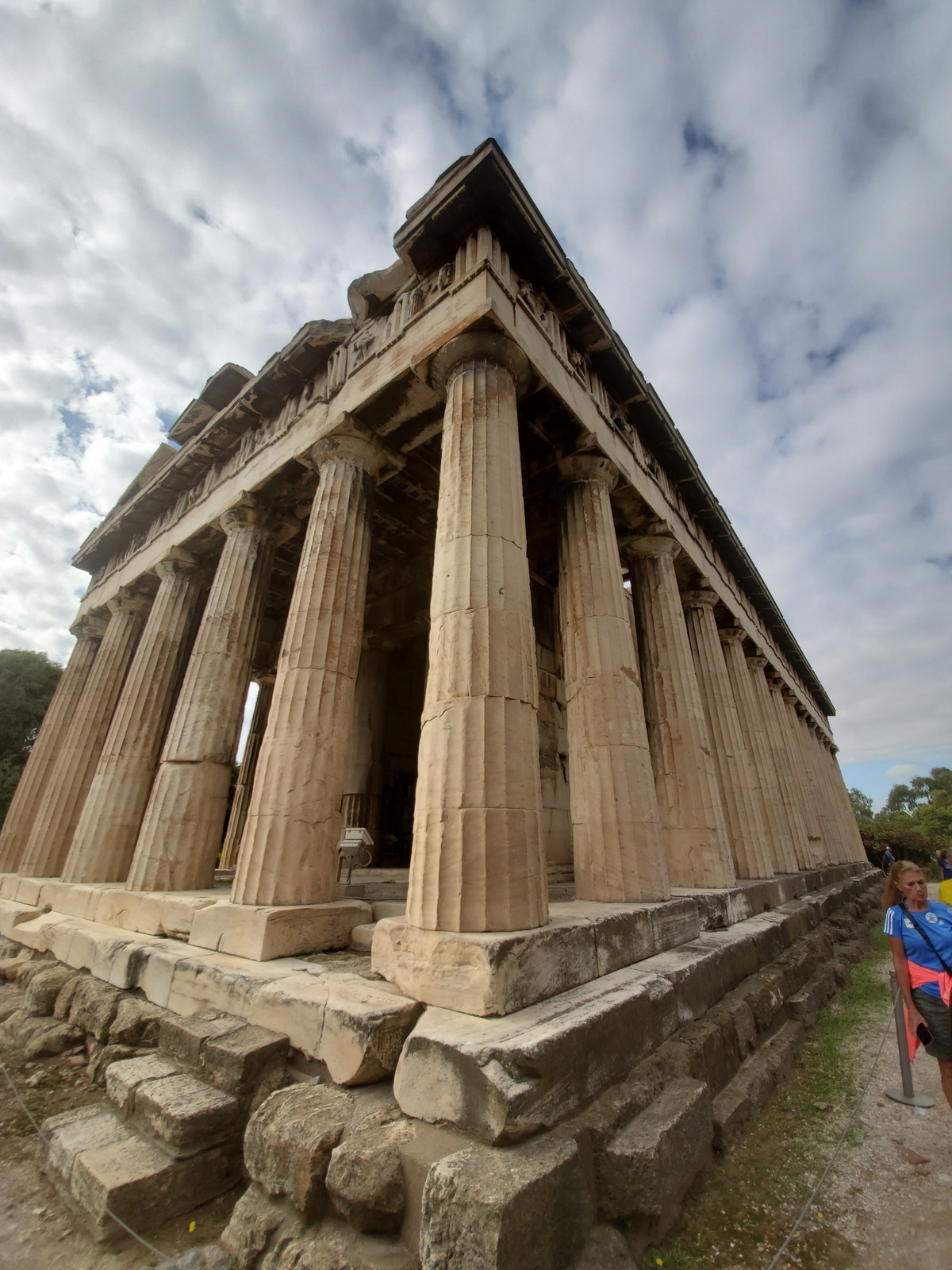
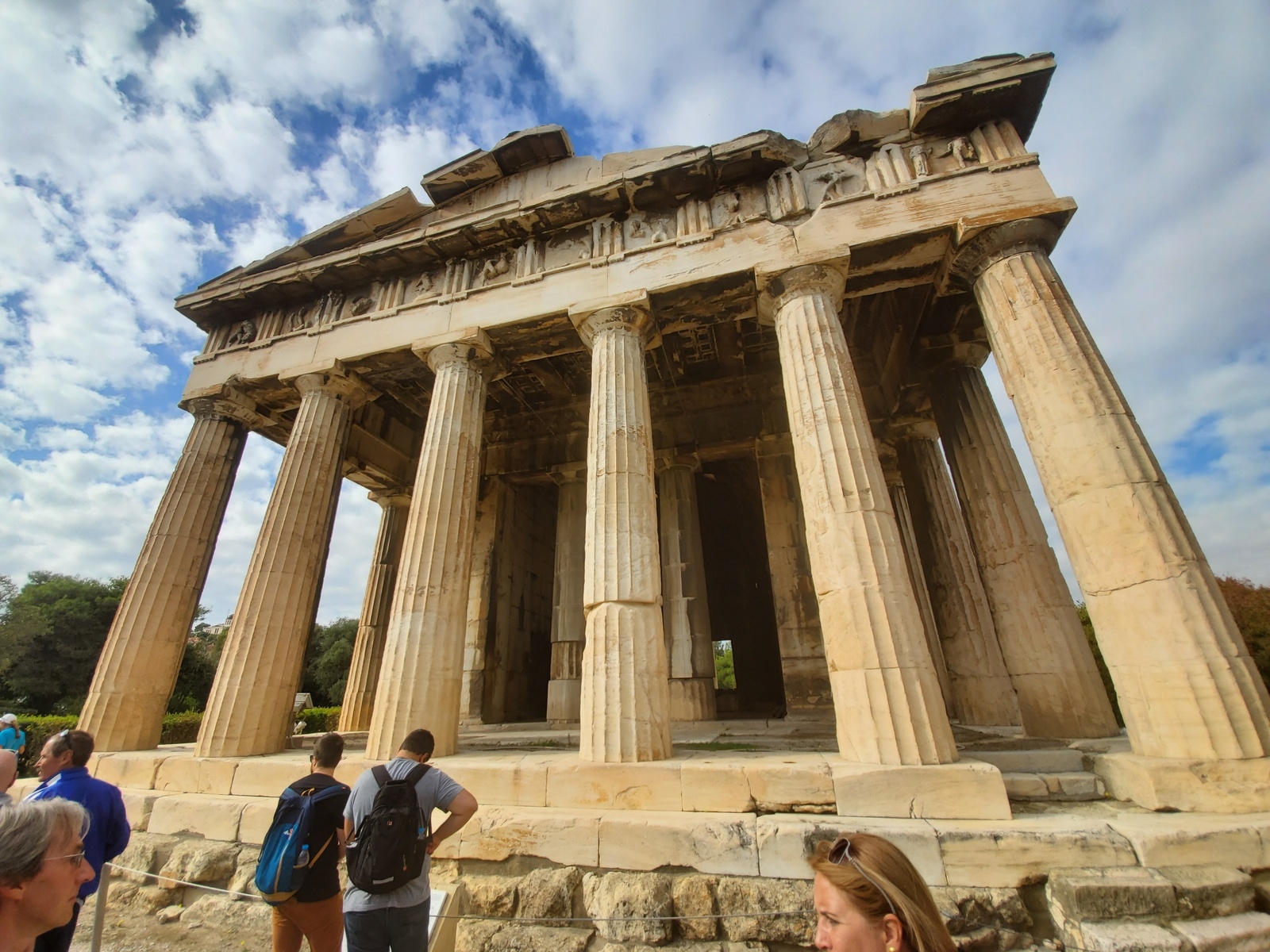
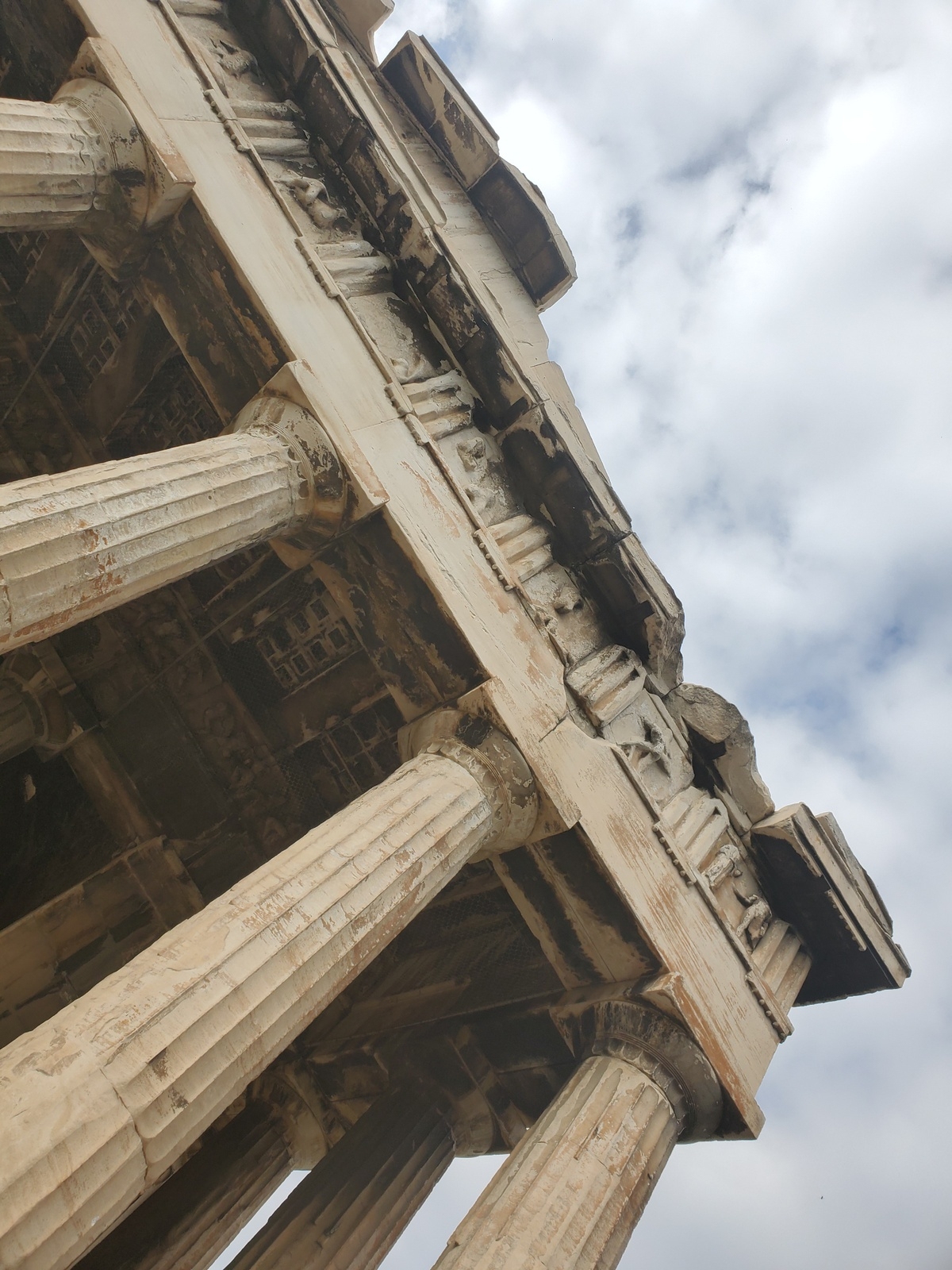
The Temple of Hephaestus at one end of the agora was one of my favorite ruins we visited… I think because some much of it has survived. Part of that is because it was converted into a roman church and various other iterations over the years and preserved a bit more than others. But it’s kinda how I imagined Athens looking, ya know?
***
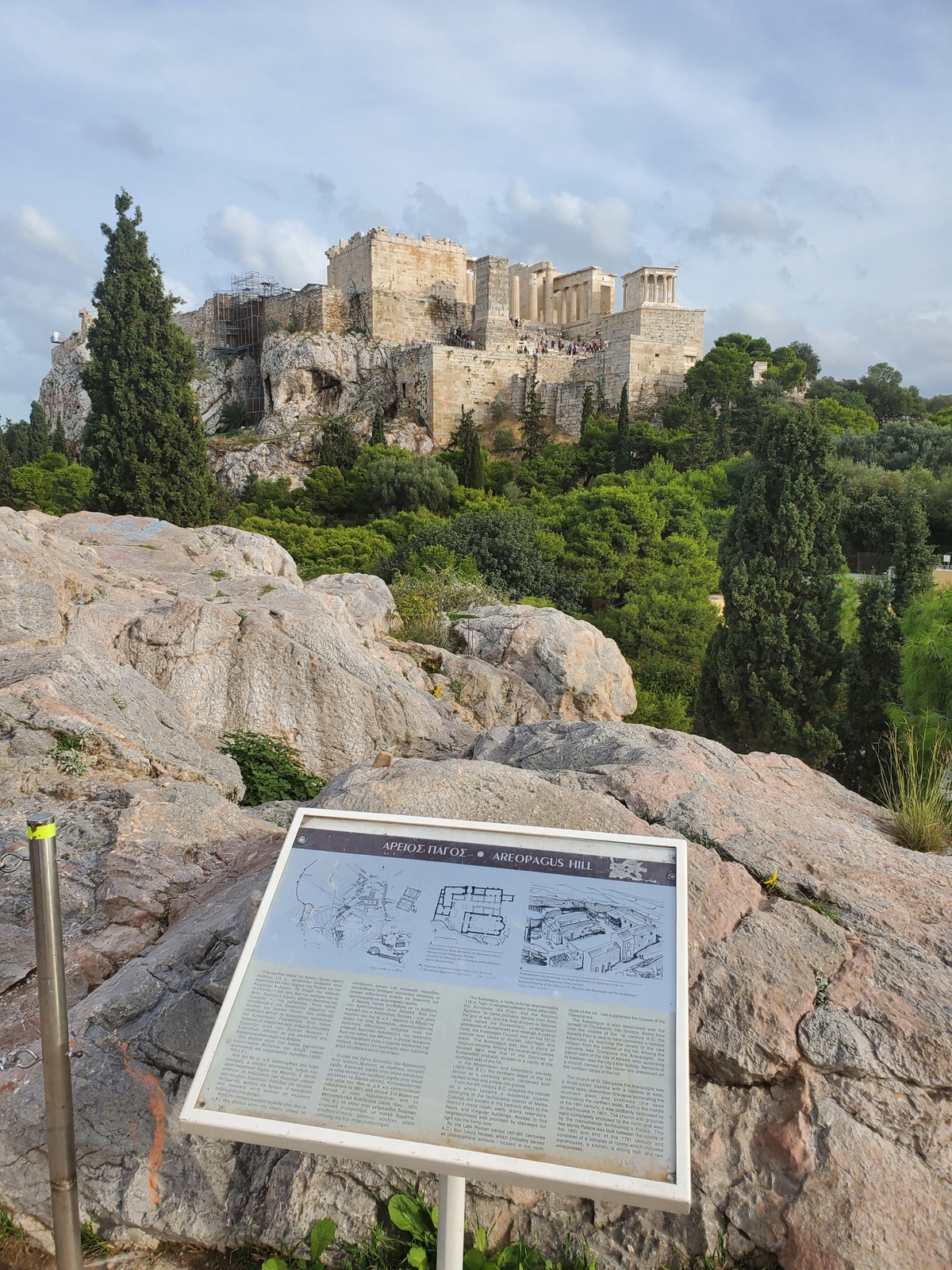
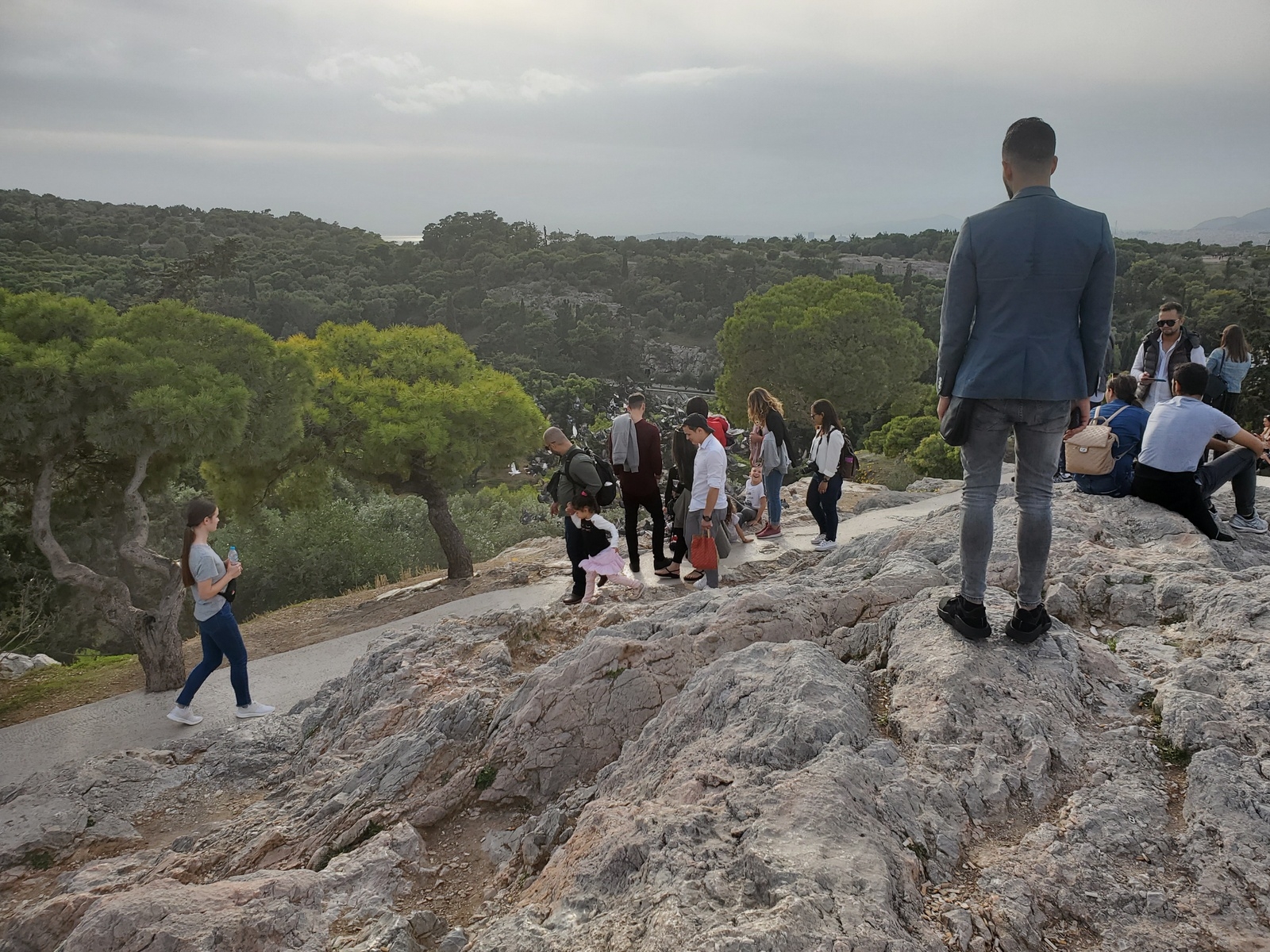
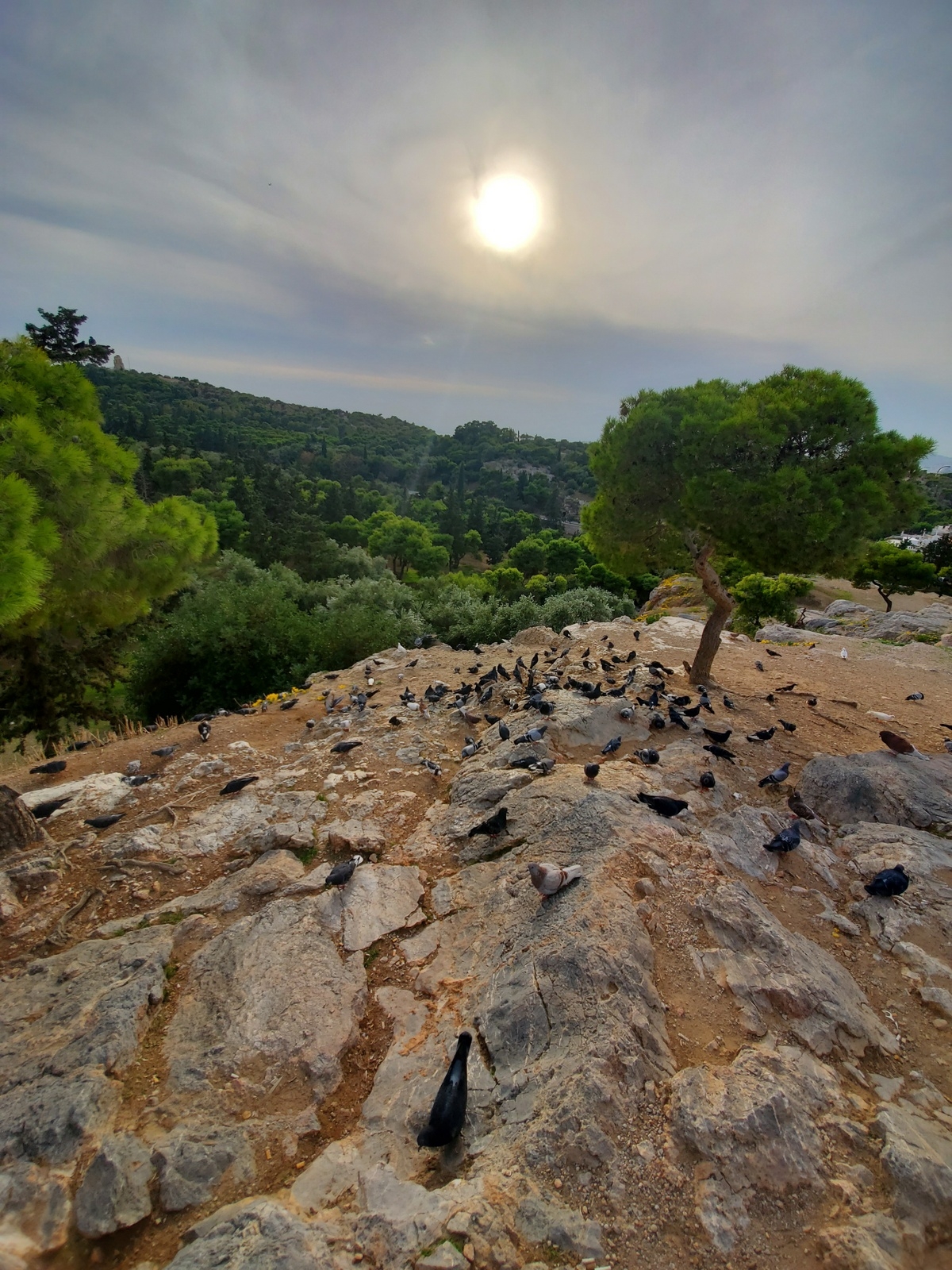
Part VII: Areopagus AKA in Roman Times as “Mars Hill”
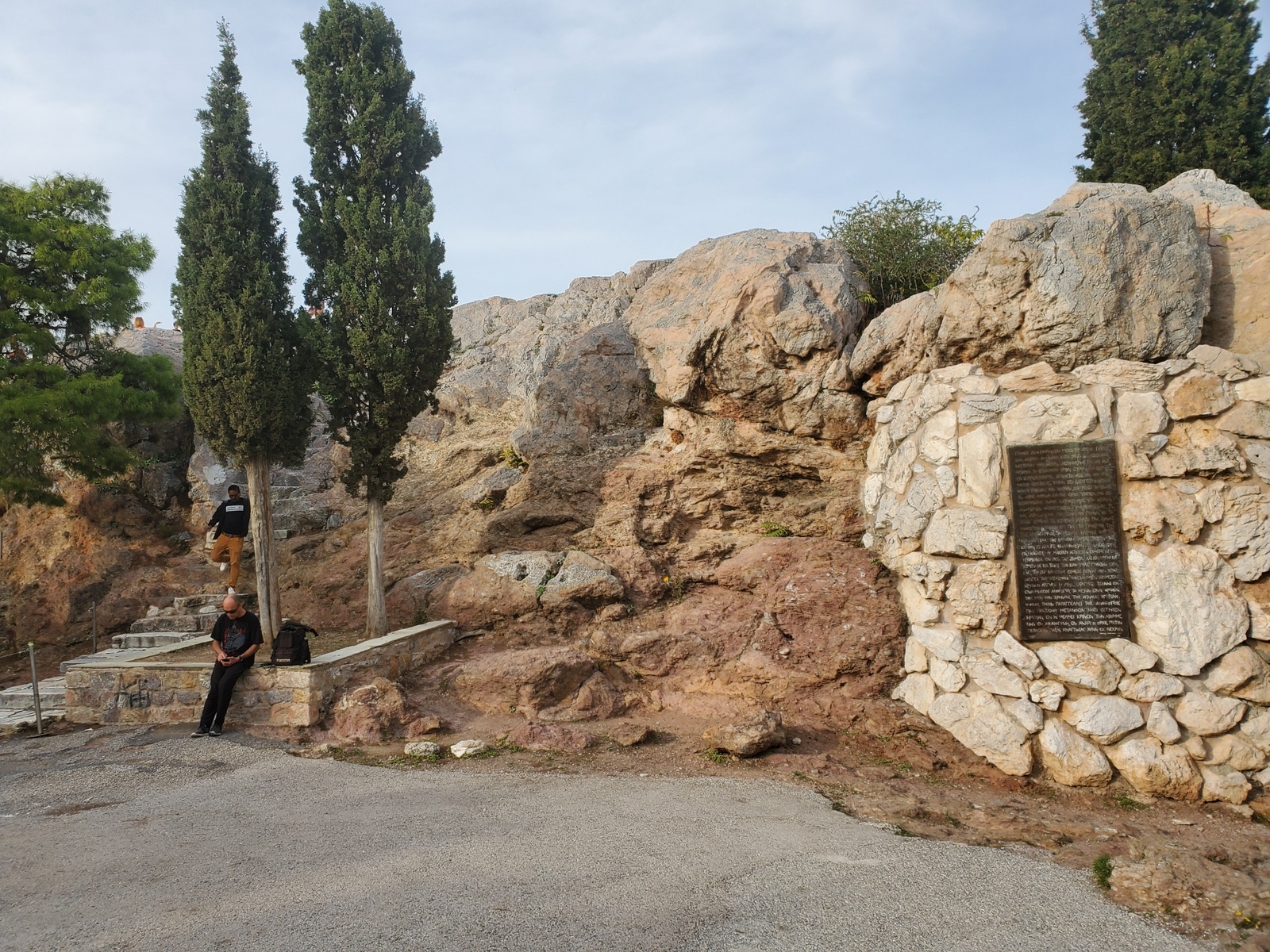
I found my thrills… on Mars Hill. It’s where supposedly St Paul the Apostle preached about “the unknown god” and brought Christianity to the area. His sermon is in Greek in that plaque on the right side of the first photo below.
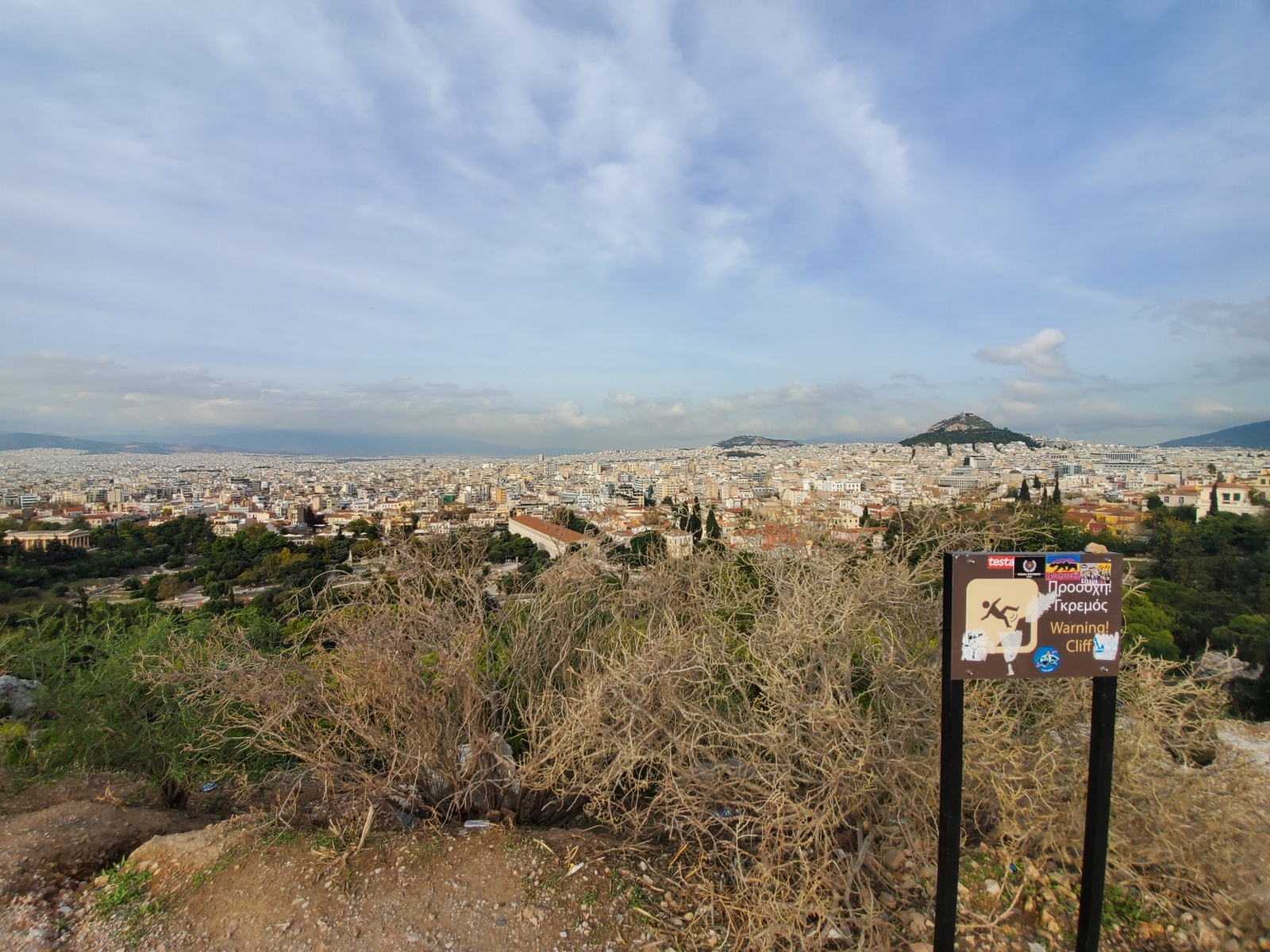
Atop the mound is a craggy outcropping that has spectacular views… but it’s also an insurance nightmare. There’s no guard rails or assistance, save for a dilapidated sign that warns of the cliff edge. But it’d be easy to slip off… and this was in dry conditions. I can only imagine how dangerous that place is if it’s been raining.
***
Part VIII: Inspector Ouzo, I Presume!
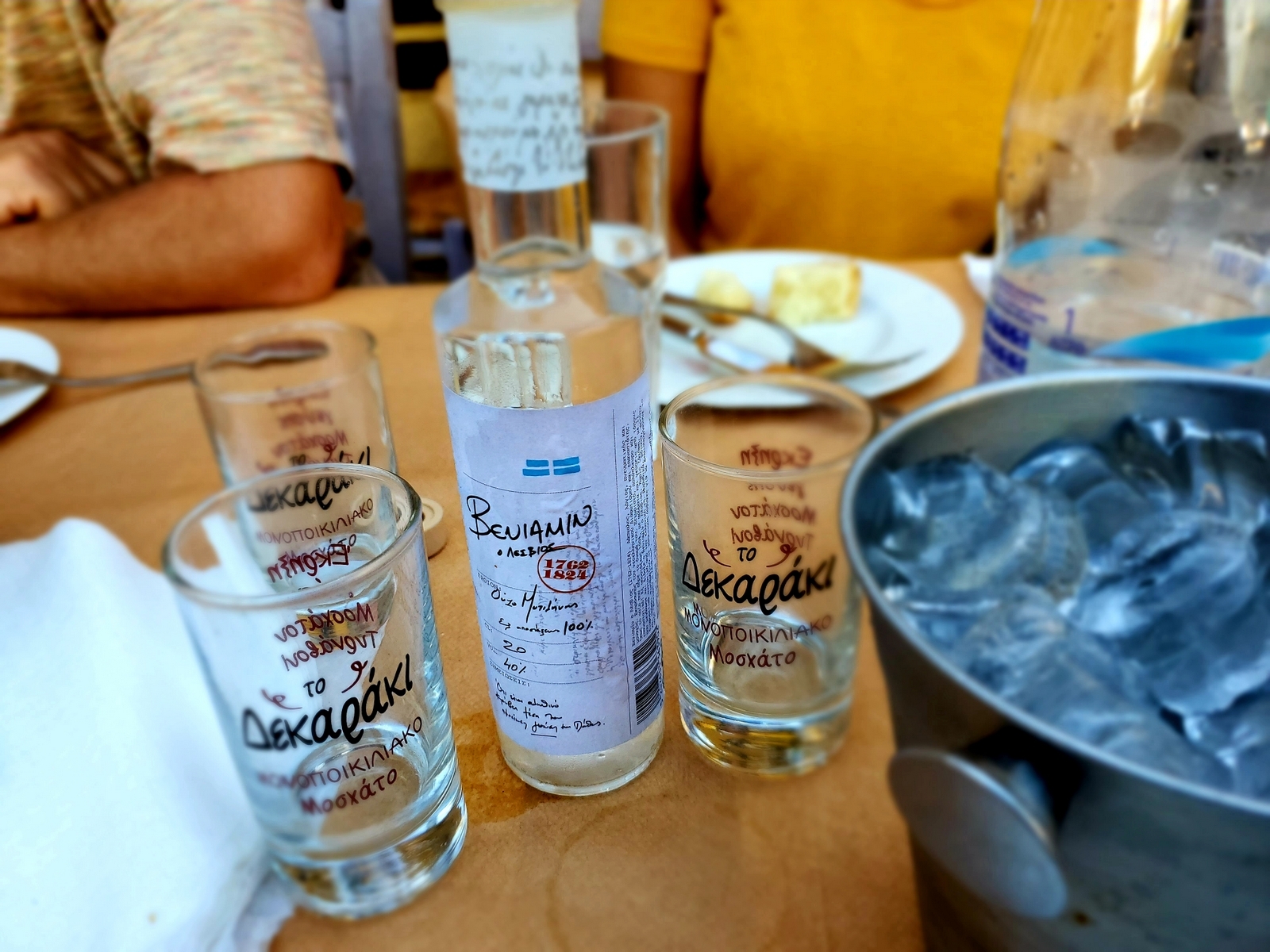
Ah, ouzo. It tastes like black liquorice flavored turpentine. I ordered a jug or three during my stay in Greece. In my defence, I shared it with a few folks… sometimes. I probably shouldn’t stand near any open flames for a few days; I’m pretty sure normal exhaling could inspire a fire breather’s last performance.


That’s it for now… the Athens Marathon guide, from expo to race to gala dinner, is still to come.